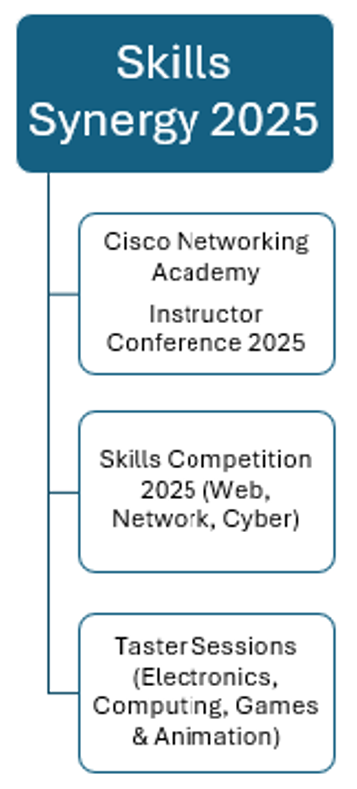
A dynamic day of learning, and competition for students and networking for Teachers. The student events are designed to inspire, challenge, and showcase skills in Web Technologies, Cybersecurity, and Network Systems Administration, tailored for Year 12, Year 13, and Further Education students.
Student Team Competitions:
A taster competition event to give an experience to the participants about the competitions and competition environment.
Students who are interested in one or more than one of the below domains are welcome to register. Students will get a taste of the competition with a briefing about competitions followed by a small competitive activity.
Schools/FE’s can register their students who are interested to get a taste on competitions like Web Technologies, Cybersecurity, and Network Systems Administration.
Limited Registrations. First come First Serve. Register immediately.
Taster Sessions for School Students:
Explore Computing (Cybersecurity, Digital Forensics, Software, Artificial Intelligence, Data Science), Electronics, and Games Design, Development, Animation, VFX in engaging hands-on sessions.
Cisco Instructors Conference:
A parallel session for Head Teachers, Teachers, Lecturers and Cisco Networking Academy Instructors to share best practices, network, and collaborate.
Event Details: Date: 26th March 2025 Time: 09:30 AM – 02.00 PM. Venue: Swansea Arena
For further information and inquiries, please contact Nitheesh Kaliyamurthy via email: n.kaliyamurthy@uwtsd.ac.uk
For further information about Computing & Computer Science courses at UWTSD Swansea, please click here.
This week, Nagaraj Ravinuthala, a DevOps trainer at HCL Technologies Limited and a specialised trainer for WorldSkills UK Squad on Infrastructure Automation, delivered a Guest Lecture on Network Automation and CI/CD to our students.
The lecture began with basic yet powerful concepts of deployment and CI/CD, connecting the dots between writing code, integrating APIs, and automating the process of pushing updates live. The session emphasized simplicity and clarity, presenting CI/CD as a pipeline that automates code testing, integration, and deployment to production environments.
“Think of CI/CD as a conveyor belt for your code,” explained Nagaraj. “You write it, test it, and deploy it—all in a streamlined process that ensures faster delivery and better reliability, which are essential in modern network automation workflows.”
Students were introduced to tools and techniques aligned with Cisco’s CCNA DevNet, providing a glimpse into industry-standard practices. To make deployment relatable, the lecturer drew parallels with the earlier lectures on Python and API during their Network Programmability Module where the students integrated the OpenWeather API creating and running a Python script, and explaining that deployment involves taking code that works locally and making it accessible to users.
The session concluded with an interactive Q&A, where students enthusiastically asked about real-world applications of network automation and the career paths that mastery in CI/CD can unlock.
This guest lecture was an eye-opening experience for students, sparking curiosity and laying the foundation for further exploration in network automation. It was a step toward preparing them for the evolving demands of the industry.
We would like to thank Nagaraj Ravinuthala for taking time to speak and share valuable industry knowledge with our students.
For further information about our courses, please click-here.
Guardian University Guide: #1 in Wales and #20 in UK
We’re thrilled to announce that in the Guardian University Guide 2025, our Computing courses have ranked #1 in Wales 🏆 and #20 in the UK for Computer Science and Information Systems subject area.
This achievement reflects the dedication we bring to delivering hands-on, real-world learning experiences, alongside exceptional support that guides our students every step of the way. Our highly qualified, industry-experienced staff work tirelessly to ensure students are prepared for a future in tech with the practical skills and knowledge they need to excel.
A huge thank you to our outstanding students, dedicated staff, and supportive community for making this recognition possible.
Together, we’re shaping the future of tech in Wales and beyond! 🌍💻
For further information about Computing courses at UWTSD, please click-here.
Introduction/rationale: The motivation behind choosing the project stemmed from the growing need for more structured and standardized approaches to penetration testing and vulnerability assessment. With cyberattacks becoming increasingly sophisticated, organizations struggle to identify and remediate vulnerabilities efficiently.
TECH TERM: Penetration testing, often referred to as ‘pen testing‘, is a cybersecurity practice where ethical hackers simulate cyberattacks on a computer system, network, or web application to identify vulnerabilities that could be exploited by malicious hackers. The main goals of penetration testing is to: 1. Identify security weaknesses 2. Assess the effectiveness of security measures 3. Improve overall security posture: By identifying and fixing vulnerabilities, organizations can strengthen their defenses against potential cyber threats.
The MITRE ATT&CK Framework provides a well-defined structure for understanding adversarial techniques and tactics, making it ideal for enhancing VAPT (Vulnerability Assessment and Penetration Testing) methodologies. This project aimed to leverage MITRE’s capabilities to analyze risk, improve testing scope, and ensure that testing efforts are comprehensive and aligned with real-world threats.
Project overview: In this project, we integrated the MITRE ATT&CK Framework into the traditional VAPT methodology to refine the testing scope and increase effectiveness in detecting vulnerabilities. The steps involved included:
Defining the Scope: The project began by clearly defining the boundaries and goals of the penetration test. Using the MITRE Framework, specific attack vectors and techniques relevant to the organization’s environment were identified.
Conducting Vulnerability Scanning: Automated tools were used to perform initial vulnerability scans, identifying weak points that attackers might exploit.
Simulating Attacks Using MITRE Tactics: We designed attack scenarios based on the tactics and techniques outlined in MITRE ATT&CK, simulating adversarial behavior. This allowed us to target the actual risks that real attackers would exploit, rather than theoretical vulnerabilities.
Analyzing Results and Refining Scope: Post-attack analysis identified network gaps and weaknesses in current defenses. The scope of the testing was iteratively refined based on these findings.
Reporting and Remediation: Finally, comprehensive reports were generated, providing actionable insights for the security team, along with specific recommendations for closing vulnerabilities.
Visual Representation: A flow diagram illustrating the process of integrating MITRE with VAPT in Penetration Testing Stages, is located below:
Project outcome & conclusion: The integration of the MITRE ATT&CK Framework significantly enhanced the scope and depth of the VAPT process. By aligning testing activities with real-world adversarial tactics, the project was able to identify previously overlooked risks and vulnerabilities. The methodology provided a more focused, risk-based approach to penetration testing, ensuring that organizations could better prepare for and mitigate threats. The project demonstrated that using MITRE not only strengthens the identification of vulnerabilities but also offers a more comprehensive understanding of the adversarial techniques that could affect critical systems.
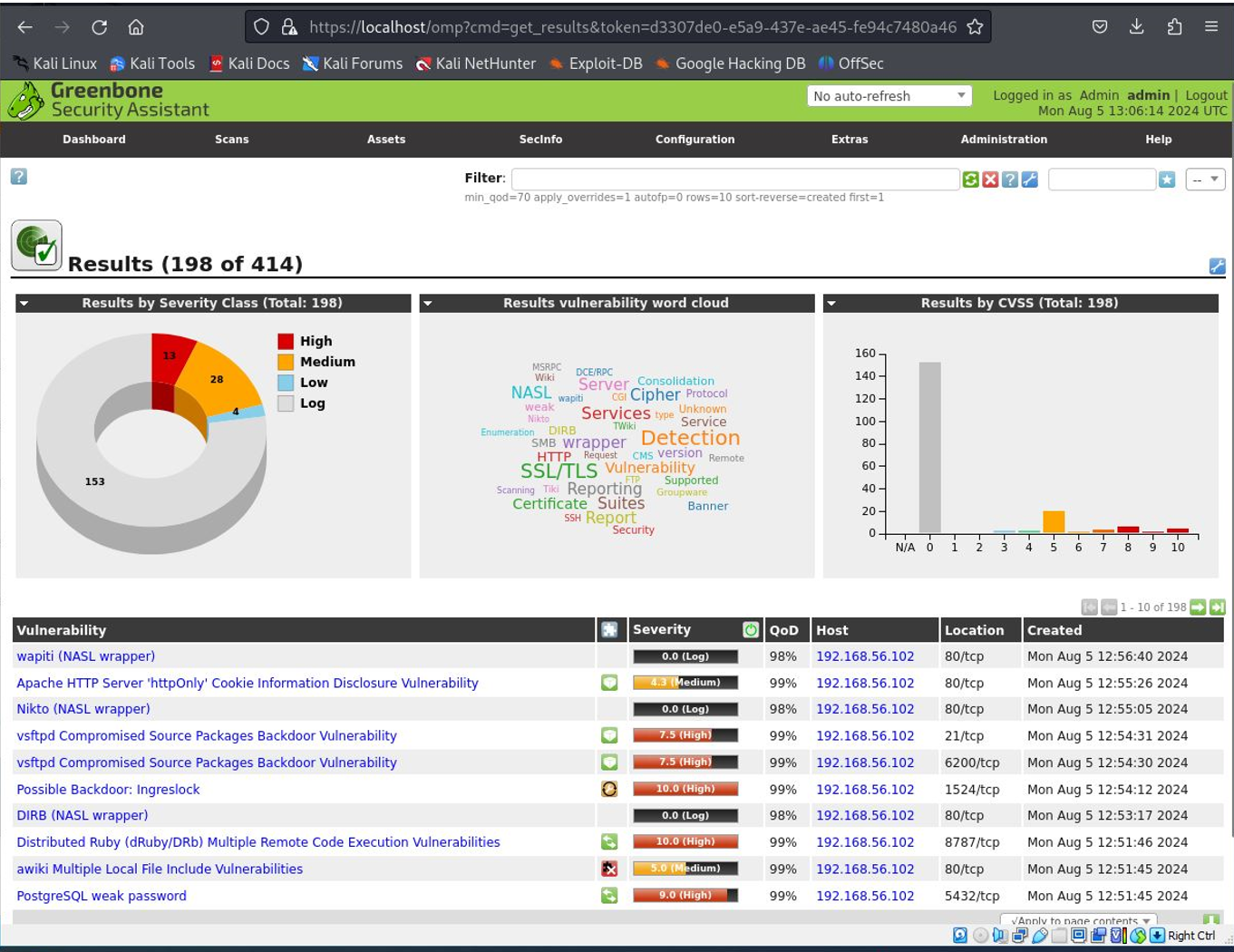
OpenVAS is a full-featured vulnerability scanning tool, that was used for this purposes of this project. An example output of vulnerability findings can be seen below:
Q. What Career and job role are you hoping to move into after graduation? After graduation, I am hoping to pursue a career in cybersecurity, with a specific focus on roles like:
Penetration Tester: Using tools and methodologies (such as MITRE ATT&CK) to identify vulnerabilities in an organization’s IT infrastructure.
Cybersecurity Analyst: Monitoring, analyzing, and defending against cybersecurity threats.
Security Consultant: Advising organizations on how to improve their security posture by implementing effective VAPT practices.
These roles align with my passion for understanding and mitigating cyber risks, particularly in offensive security and ethical hacking.
Q. Please share a top tip/advice for students who are interested in completing a University Degree? My top tip for students is to focus on practical applications of what you learn. Theoretical knowledge is important, but real growth happens when you apply it in real-world scenarios, whether through internships, projects, or labs. Hands-on experience not only solidifies your understanding but also makes you more marketable in the job market.
For further information about Computing courses at UWTSD, please click-here.
Q. Project title: Detection of fusarium head blight on wheat spikelets using a multi-scale feature fusion CNN model.
Q. Introduction/rationale: The motivation for choosing this project stems from the significant impact of fusarium head blight (FHB) on wheat production, which poses a threat to global food security. By leveraging advanced artificial intelligence techniques, this project aims to develop a robust detection system that can assist farmers in early identification of FHB, ultimately contributing to better crop management and yield optimization.
Q. Overview of the practical implementation:
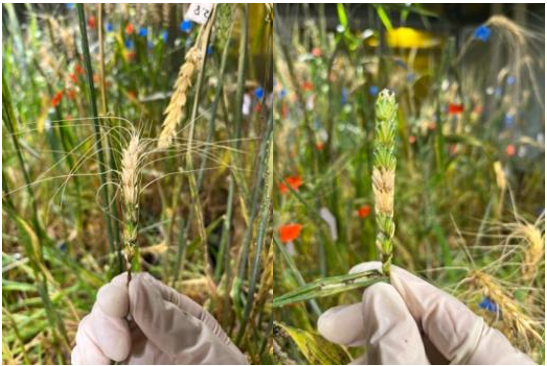
Data Collection: Acquiring a dataset of wheat spikelet images, both healthy and affected by FHB.
Figure 1: Dataset Samples
Model Development: Designing a multi-scale feature fusion convolutional neural network (CNN) to analyze the images. Built on the advanced YOLOv9 framework, the model incorporates a Multi-Scale Feature Enhancement and Fusion (MSFEF) module, which plays a critical role in extracting and dynamically enhancing features from various scales. To enhance computational efficiency, as shown in Figure 2, optimized convolutional layers such as RepNCSPELAN and DWConv are used, reducing the overall computational load while maintaining high detection performance.
Figure 2: Proposed network overview
Training and Testing: The model was trained on the dataset using techniques like data augmentation (Mosaic) to enhance its robustness. Testing was conducted to evaluate accuracy and performance.
Figure 3: Training batch samples
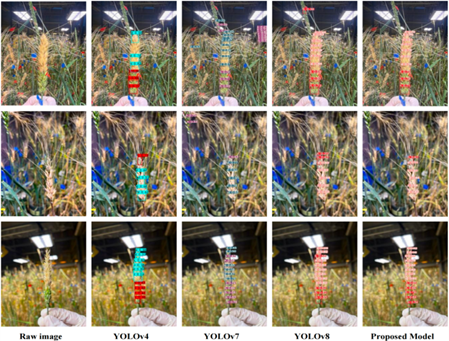
Deployment: The final model can be integrated into a user-friendly application for real-time detection, offering researchers and farmers an efficient tool for early disease detection and management.
Figure 4: Model predictions
Q. Overview of outcome/conclusion:
The project successfully demonstrated that the proposed multi-scale feature fusion CNN model can accurately detect fusarium head blight in wheat spikelets, achieving an accuracy of over 90%, which highlights the potential of AI-driven solutions in agriculture, paving the way for future advancements in plant disease management and crop monitoring.
Q. What Career and job role are you hoping to move into after graduation?
After graduation, I aspire to work as a machine learning engineer, focusing on applying AI in agricultural technology. My goal is to contribute to innovations that enhance food security and sustainability through smart farming practices.
Q. Please share a top tip/advice for students who are interested in completing a University Degree?
One essential piece of advice is to stay curious and actively engage with your coursework beyond the classroom. Seek out projects, internships, and collaborative opportunities that apply your knowledge in real-world contexts. Building a strong network and gaining practical experience will significantly enhance learning and career prospects.
For further information about Computing courses at UWTSD, please click-here.
Student name: Mohammed Talha Sajidhusein Vasanwala
Rationale:What was the reason/motivation for choosing the project?
The volatility of stock markets presents a major challenge in financial forecasting. Traditional methods, while effective in some cases, struggle to capture the inherent complexities of financial data, such as time dependencies, trends, and market shocks. Tesla’s stock prices, which are known for their rapid fluctuations, piqued my interest for this project. The motivation behind choosing this project was twofold:
To explore how Long Short-Term Memory (LSTM) networks can be optimized to capture and predict the volatile patterns in stock price data.
To address the limitations of traditional models and highlight the potential of LSTM models for accurate financial forecasting, especially in dynamic environments like stock trading.
Q. Brief Overview of the Practical Implementation (Text Description and a Few Images)
The practical implementation of this project involved multiple stages, including data preprocessing, building and testing LSTM models, and evaluating the models’ predictive performance. Here’s a breakdown of the key steps:
Data Preprocessing:
Tesla’s historical stock data (specifically ‘Close’ prices) was collected and cleaned.
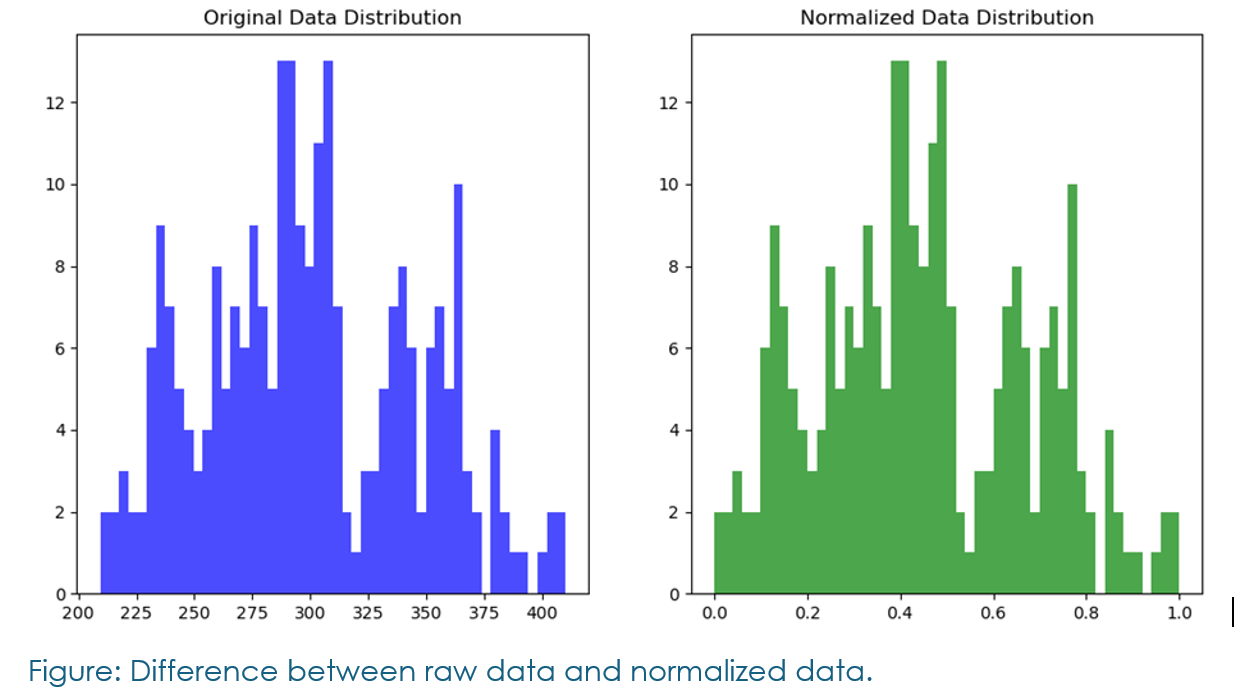
The data was normalized using MinMaxScaler, which is crucial for speeding up the LSTM training process.
The dataset was then split into training and testing sets, ensuring proper chronological order for the time-series data.
Model Building:
Thirty different LSTM configurations were tested, focusing on adjusting layers, units, activation functions, and learning rates.
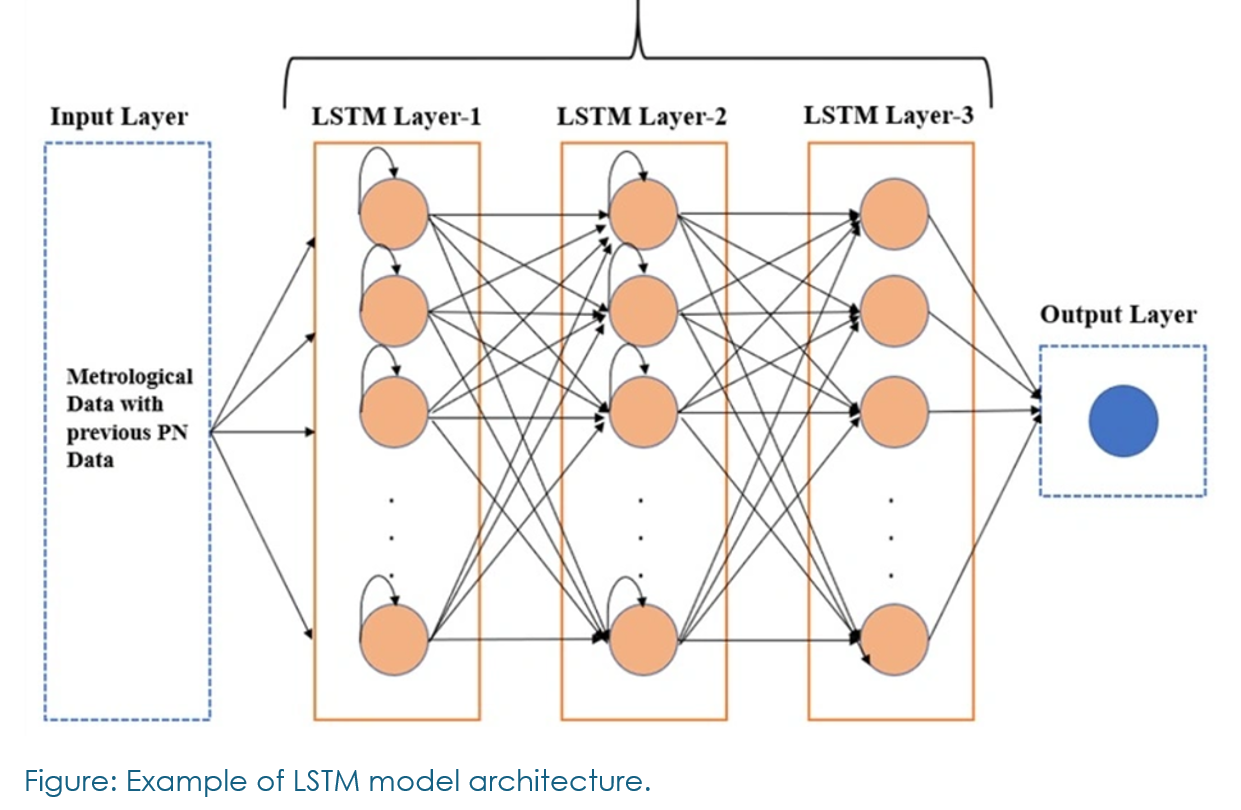
The final best-performing model consisted of three LSTM layers, each with 64 units and ‘tanh’ activation functions. The model also used the ReduceLROnPlateau and EarlyStopping callbacks to optimize training and prevent overfitting.
Training and Evaluation:
The models were trained with RMSE, MAE, MSE, and R² score as key evaluation metrics.
The best model achieved an RMSE of 0.0456 and an R² score of 0.944, demonstrating its high accuracy.
Q. Overview of Outcomes/Conclusions
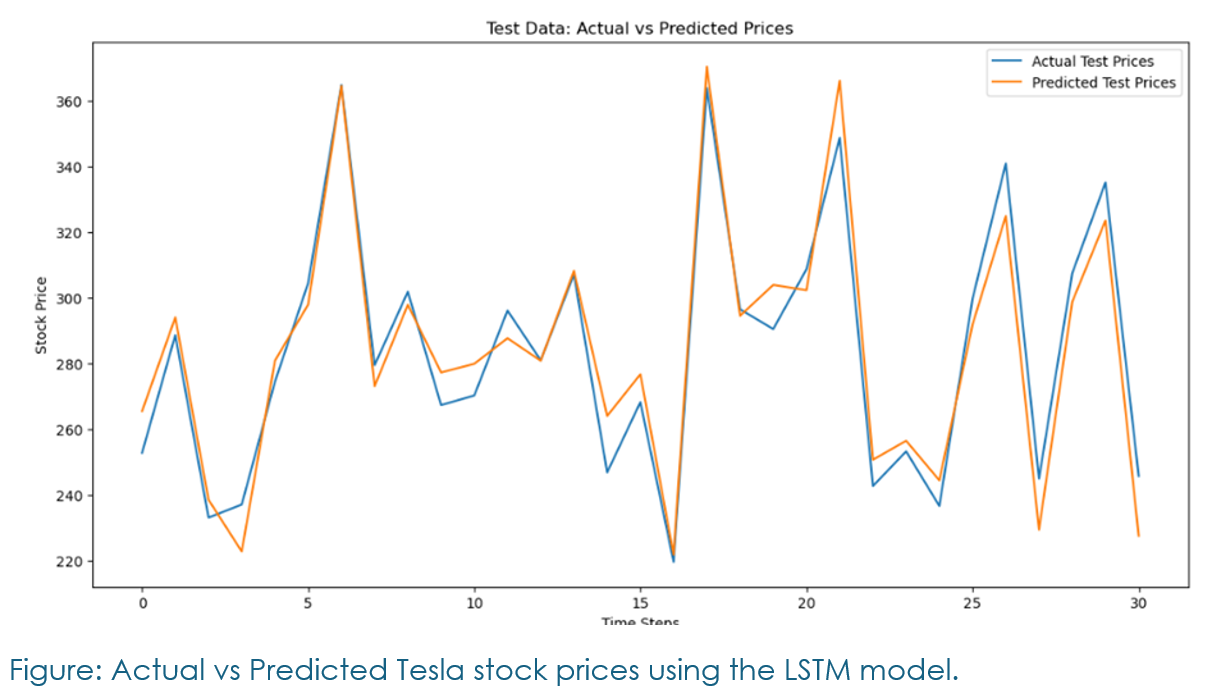
The project successfully developed an optimized LSTM model that significantly outperformed traditional forecasting methods. The model was able to capture the temporal dependencies in Tesla’s stock price data and deliver highly accurate predictions. Some key outcomes include:
High predictive accuracy: The final model achieved a strong RMSE of 0.0456 and an R² score of 0.944, reflecting its superior performance in predicting Tesla’s stock prices.
Overcoming common challenges: Issues such as overfitting were effectively addressed using advanced regularization techniques and dynamic learning rate adjustments.
Despite the success, the study recognized the limitation of relying solely on historical data. Incorporating real-time data such as news sentiment and company-specific updates could further improve the model’s performance in capturing sudden market changes.
Q. Top Tips/Advice for Students Interested in completing a University BSc/MScDegree:
Start Early: Begin your project as soon as possible, especially right after submitting your research proposal. This will give you ample time to explore different ideas, refine your methods, and address unexpected challenges along the way.
Be Proactive in Securing Data: Data accessibility can sometimes be a bottleneck. Make sure you identify and secure the necessary datasets early in your project, even if they require permissions or payments.
Iterate and Experiment: Machine learning projects, especially those involving deep learning models like LSTMs, benefit greatly from iterative experimentation. Small changes in hyperparameters can have a significant impact on model performance, so don’t hesitate to test various configurations.
Understand your Tools: Take time to thoroughly understand the libraries and tools you’re using. In my case, libraries like Keras and TensorFlow were vital for building LSTM models. Understanding how to efficiently use these tools sped up my development process.
Consult your Supervisor Regularly: Keep in close contact with your supervisor. Their feedback is invaluable, especially when it comes to refining your methodology and solving challenges related to your project. Stay Resilient: Research can be unpredictable. You might face challenges like overfitting, lack of data, or even model failure. The key is persistence and a willingness to adjust your approach as needed.
For further information about Computing courses at UWTSD, please click-here.
Project title: A Comparative Evaluation of Machine Learning Techniques for Sales Forecasting
/\ Sriskantharaja Mithushan
Rationale:What was the reason/motivation for choosing the project?
The motivation behind choosing this project stemmed from the increasing importance of accurate sales forecasting in business decision-making. Companies rely heavily on predictive models to optimize inventory management, plan marketing strategies, and drive revenue growth. I was particularly interested in how different machine learning techniques could enhance the accuracy of these predictions, compared to traditional forecasting methods. My goal was to explore and compare the effectiveness of various machine learning models in improving sales forecasts, which could have a significant impact on business operations and profitability.
Machine learning (ML) is a branch of artificial intelligence (AI) and computer science that focuses on using data and algorithms to enable machines to learn from experience, much like humans do. In analyzing data, the ML algorithm, processes data multiple times to learn / adjust itself to improve accuracy.
Q. Brief overview of the practical implementation?
The project was conducted in several stages, starting with data gathering, followed by preprocessing, model execution, and evaluation. A rich dataset was collected from various retail and e-commerce platforms, containing sales records, customer demographics, product categories, and revenue figures. This data was cleaned and transformed to handle missing values, normalize scales, and ensure proper formatting for model training.
Five machine learning models were implemented:
Random Forest
Support Vector Regression (SVR)
LightGBM
XGBoost
Gated Recurrent Unit (GRU) Neural Network
Each model was trained on the prepared dataset using Python, with libraries such as Scikit-learn, LightGBM, XGBoost, and TensorFlow.
After training, predictions from each model were compared to the actual sales data. Visualization tools like Matplotlib and Seaborn were used to graphically depict the performance of each model, with side-by-side comparisons of RMSE and MAPE metrics. These visualizations helped to highlight the strengths and weaknesses of the various models.
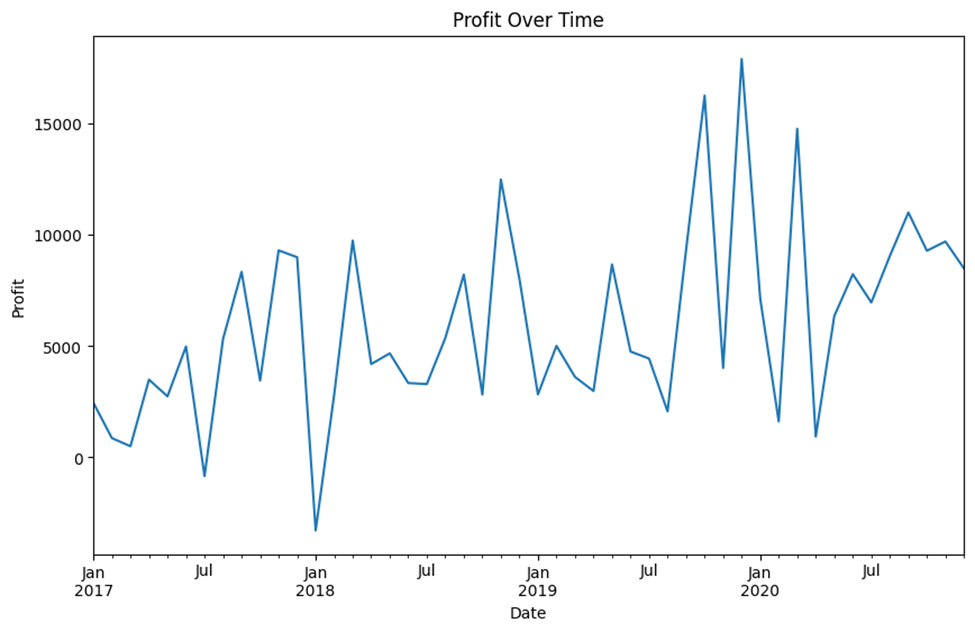
The Profit Over Time graph below, tracks monthly profit trends, providing a clear view of how profitability fluctuates over time. Key insights include: Seasonality and Profit Growth or Decline. For example Seasonality highlights periods of increased or decreased profits, often aligned with sales cycles or specific marketing efforts. This helps in identifying high-profit months and adjusting strategies for low-profit periods.
This visualization is crucial for understanding financial performance, aiding in strategic decision-making, and optimizing resource allocation for long-term profitability.
/\ Profit Over Time: Illustrates monthly profit trends.
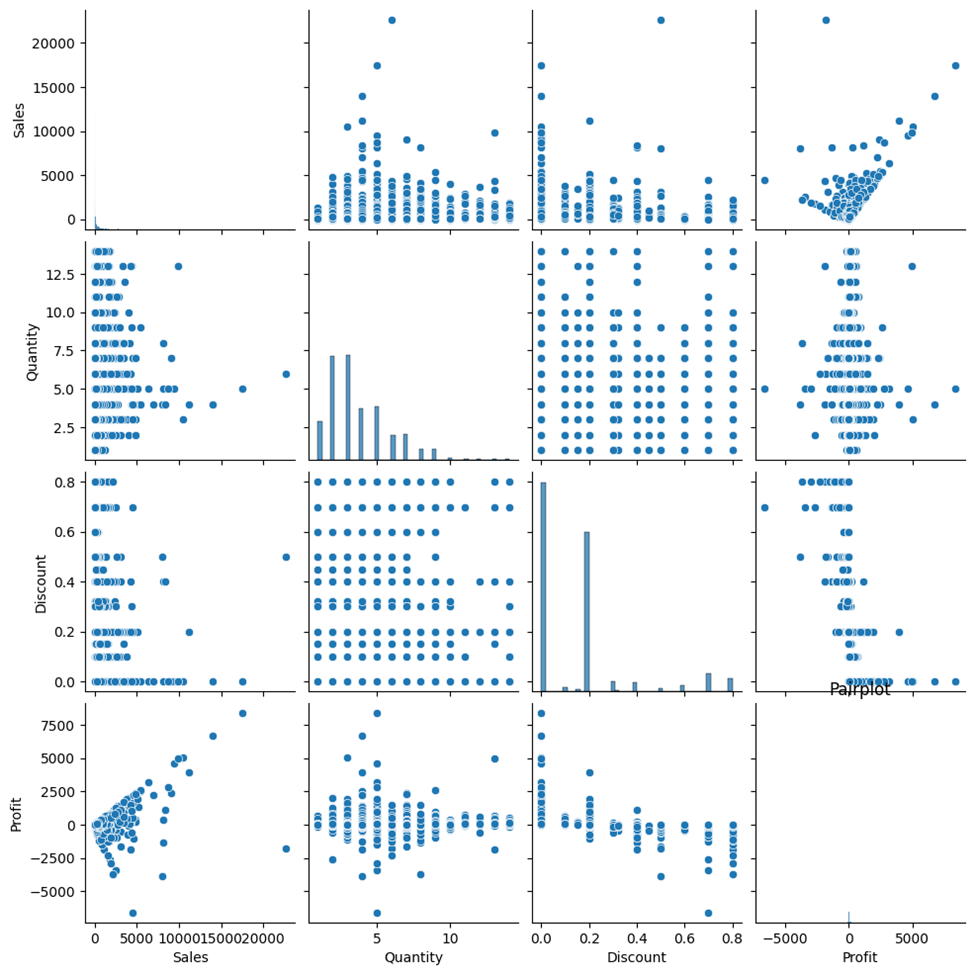
This pairplot chart below, simultaneously shows the distributions (diagonal plots) and relationships (scatter plots) between the key variables: Sales, Quantity, Discount, and Profit. For example the scatter shows a strong positive relationship, confirming that higher sales lead to greater profits. A weak negative trend suggests that offering larger discounts may slightly lower profits. This pair plot provides a comprehensive overview of how these variables relate to each other and how each is distributed, helping in identifying trends, correlations, and potential outliers.
/\ Pairplot: Distributions and Relationships Between Sales, Quantity, Discount, and Profit.
The chart below is a Heat-map. The Heatmap shows the correlations between the key business metrics of Sales, Quantity, Discount, and Profit. The color intensity represents the strength and direction of the relationships, with darker colors indicating stronger correlations. For example, a deep hue between Sales and Profit highlights that as sales increase, profits rise significantly. This visual tool helps identify how these variables interact and guide strategic decisions on pricing, sales, and profit optimization.
/\ Correlation Matrix Heatmap: Sales, Quantity, Discount, and Profit
Q. Overview of outcomes/conclusions?
The project concluded with Random Forest emerging as the top-performing model in terms of prediction accuracy.
The research delved into the use of machine learning techniques for sales forecasting in the retail and e-commerce sectors, with the goal of identifying which models provide the most accurate predictions. The study examined five machine learning algorithms: Random Forest, Support Vector Regression (SVR), LightGBM, XGBoost, and Gated Recurrent Unit (GRU) neural networks. The models were evaluated using metrics such as Root Mean Square Error (RMSE) and Mean Absolute Percentage Error (MAPE).
This study contributes to the understanding of how machine learning can be applied to sales forecasting in retail and e-commerce. It shows that tree-based ensemble methods, particularly Random Forest, are among the most effective techniques. However, deep learning models like GRU also show potential, particularly for capturing temporal dependencies. A balanced approach, combining multiple models and fine-tuning hyperparameters, can lead to more accurate sales predictions. By acting on these insights, retail and e-commerce companies can improve their forecasting accuracy, optimize inventory management, and ultimately enhance customer satisfaction and profitability.
Q. Please share some top tips/advice for students?
Completing a Bachelor of Science (BSc) or a Master of Science (MSc) at a university like the University of Wales Trinity Saint David (UWTSD) can be a rewarding and challenging journey.
The University offers a variety of Computing courses. Ensure you choose a program that aligns with your interests and career goals. During both BSc and MSc, you’ll often have the flexibility to choose elective modules. Select modules that allow you to develop key skills that are in-demand in your field, or that attract your personal interest. Balancing lectures, labs, independent study, and personal commitments is crucial. Use digital tools to organize deadlines, assignment dates, and exam preparation to stay on track. The University also offer career services to help students prepare for employment. Take advantage of these CV workshops, interview practice, and employability training.
For further information about Computing courses at UWTSD, please click-here.
Computing students from the University of Wales Trinity Saint David (UWTSD) have enjoyed the sights and sounds of Paris as part of an international learning journey. The students studied at the Institut Supérieur d’Electronique de Paris (ISEP).
Taith provides funding to enable education staff and learners to spend time abroad as part of their studies. It also brings learners and educators from around the world to Wales.
The programme, with Welsh Government funding of £65 million, launched in 2022 and offers life-changing opportunities to travel and learn for learners and staff in every part of Wales, and in every type of education.
The UWTSD partnership also coincided with the Welsh Government’s ‘Wales in France’ initiative, a year-long celebration of cultural, business and sporting events designed to strengthen existing links and forge new connections between the two countries.
The UWTSD students attended classes with French students and studied subjects similar to those that they study in Wales. Most of the classes at ISEP are delivered in English, so the students were easily able to join their French counterparts for studies.
Kath Griffiths, International Regional manager (North America and Outward Mobility), Wales Global Academy said : “We are delighted that students from a Welsh institution funded via Taith have spent two weeks in Paris. UWTSD is currently hosting 24 students from ISEP in Swansea.
“A key feature of the Taith programme is reciprocity; the ability to nurture and develop overseas partners who are already committing to reciprocal arrangements regarding student exchange. This approach through Taith enables high-quality placements and builds towards our aspiration to provide all domestic students with the opportunity to study internationally, ISEP which will strengthen our international profile and create opportunities for staff and students to pursue their interests with reciprocal opportunities for international learners here in Wales.
“This provides an excellent opportunity for students to experience living and studying in another country and to gain invaluable insight into international employment opportunities.”
Dr Kapilan Radhakrishnan, Academic Director, Applied Computing said: “Amidst the iconic landmarks and cultural marvels, our students delved deep into a world of academic exploration. From classroom experiences to dynamic engagements in extracurricular and social activities, each moment was a stepping stone towards personal and educational growth.
“This exchange not only broadened their academic horizons but also fostered a vibrant tapestry of cultural understanding and friendship. Interacting with students, academics, and professionals from diverse backgrounds exposes students to a variety of viewpoints and approaches, broadening their perspectives and critical thinking skills. Collaborating with classmates in unfamiliar settings fosters teamwork, communication, and interpersonal skills, strengthening bonds and creating lasting friendships.
“The study trip provided a rich and multifaceted learning experience that goes beyond traditional classroom settings, offering students a unique opportunity for personal, academic, and professional development. Our students have returned home enriched with a wealth of diverse perspectives and unforgettable memories.”
The international and prestigious WorldSkills competition started in the 1950’s and brings together skilled young professionals from over 80 countries. WorldSkills supports young people across the world via competition-based training, with national teams taking part and testing their ability against each other in a world-class standards ‘Skills Olympics’ every two years. The skills young people gain from taking part in the competition embed world-class training across the world and helps to increase jobs and economic growth.
Participants compete in over 50 diverse fields including IT Network Systems Administration (IT-NSA).
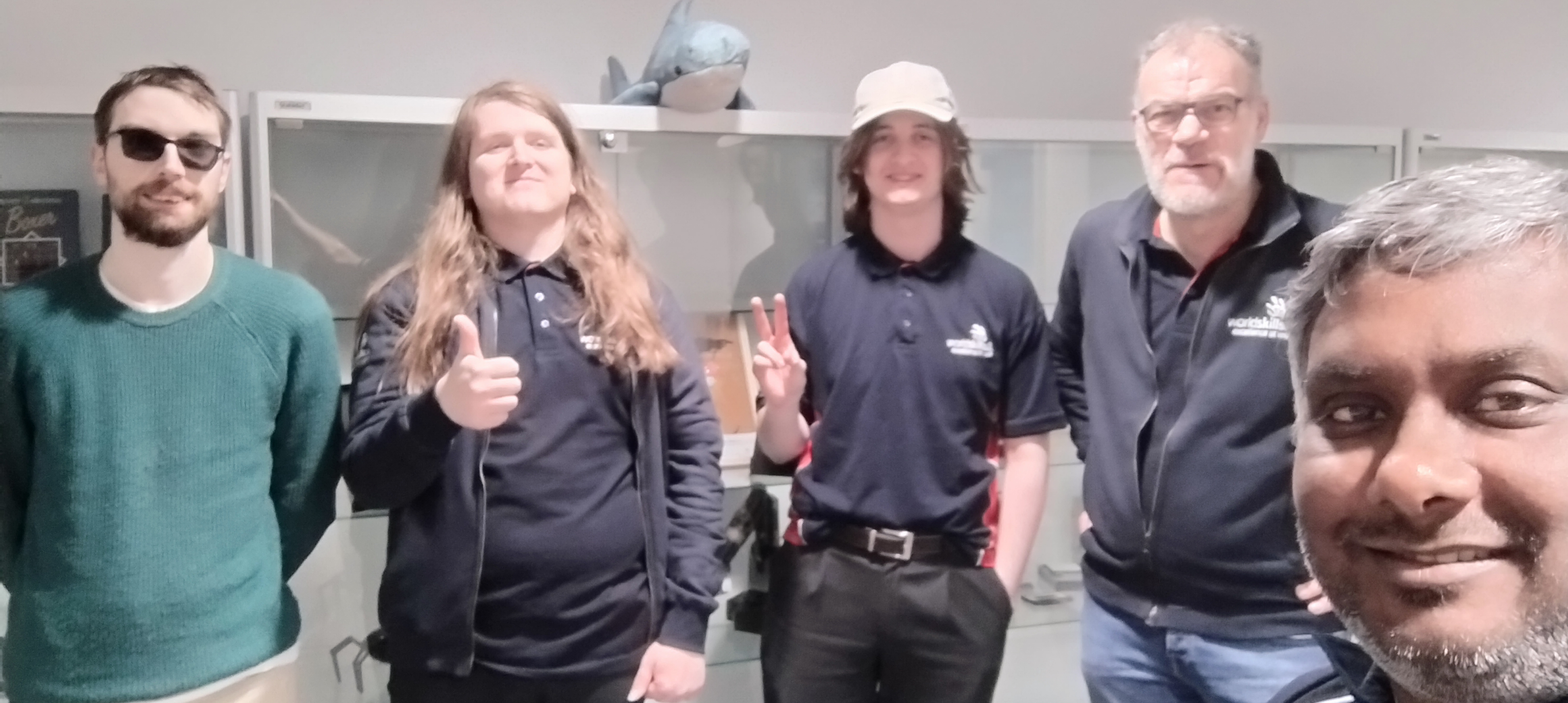
Image: WorldSkillsUK IT-NSA Team training & selection at SOAC UWTSD
The squad for WorldSkillsUK (in partnership with Pearson) IT-NSA competition is selected based on UK National Competitions. For IT-NSA we had around 6 squad members who were trained by experts over the year, testing their skills and benchmarking international standards participating in various International Competitions. Our Competitors over the last year competed in Euro Skills 2023 in Gdansk Poland and Asia Skills 2023 in Abu Dhabi, UAE. Considering the fact that the squad members are the best of the best from UK, only one out of them represent the UK in the upcoming WorldSkills Competition in Lyon, France 2024.
Nitheesh Kaliyamurthy (Senior Lecturer from the School of Applied Computing (SOAC) at the University of Wales Trinity Saint David (UWTSD), took over as an Expert Training Manager for the WorldSkillsUK IT-NSA squad last year and has been involved in Training the squad. The School of Applied Computing at UWTSD, hosted various Technical Bootcamps in the year, starting with 1st Technical BootCamp in June 2023 for 3 days focusing on EuroSkills Test Project, 2nd Technical Boot Camp in November 2023 for 3 days focusing WorldSkills 2022 Special Edition Test Project and 3rd Technical Boot Camp for raising stars in the squad in January 2024 for 3 days. We also support IT NSA Squad for WorldSkills UK with International Standard Infrastructure enabling them to practice their Test Projects.
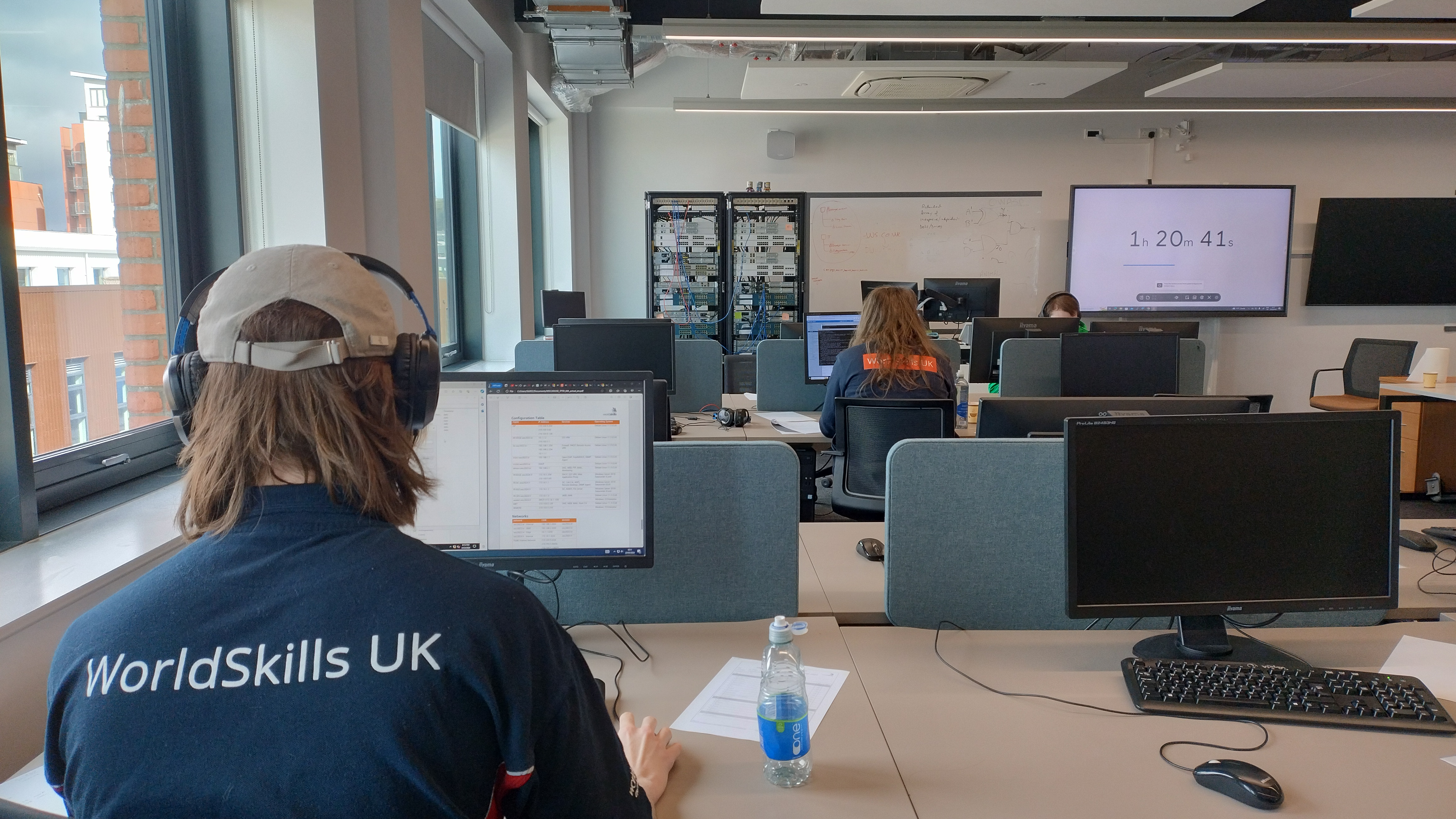
A WorldSkills Competition selection event to represent the WorldSkillsUK IT-NSA squad was hosted at SOAC-UWTSD last week with a 2-day Competition, where participants tested their skills in Microsoft, Linux, Troubleshooting aspects, Cisco and Infrastructure Automation.
Image: WorldSkillsUK IT-NSA Team training & selection at SOAC UWTSD
The competitors performed well. The competitors representing the UK squad will be announced later next month (April) during WorldSkills UK (in partnership with Pearson) Moderation Week. Intense training for that one competitor is planned over the coming months in May, June and July before they fly to Lyon, France in September 2024 to compete with other International Countries.
For more about WorldSkills please click-here. For information about Computing courses at UWTSD please click-here.
For inquiries related to WorldSkillsUK IT-NSA at UWTSD please contact Nitheesh Kaliyamurthy.
Q. What inspires you about Computing/Technology/Electronics? The fact that computing is logical based and not emotionally based, I know that if my program doesn’t work, I have done something wrong. And I know that if it works as I want it to work, then I know I have done it correctly.
Q. What is your current favorite piece of Technology/hardware/software/App? Currently, my favorite piece of software would be Opera GX, it is a web browser specifically made for Gamers, one of the features I love the most about it is the “Force dark pages”, which does exactly as it sounds, no matter what page or website you load into, the browser will force the page to dark mode and adjust the font accordingly.
Q. What technical and employability skills are you learning on your course? I have learned to create a GDD (Game Design Document), which in the future game industry, I would be required to create and understand GDDs to create a new game. I have also been learning the C coding language as a whole to further my knowledge of coding.
Q. How do you think Technology is and will change the world for the better? On 16th July 1969, the first man landed on the moon, and now on the 29th of September 2023, humanity has created artificial intelligence to start automating mundane tasks. I would say technology CAN change the world for the better.
Q. What Career/job role would you like to enter after you Graduate? Videogame developer/designer.
Q. Do you have any hints/tips/advice for students who would like to start a University course? Your time at university is not just time to learn, it is also a time to connect with others and to start networking with others.
Q. In a few words describe your experience so far at UWTSD?. I have met so many great people on my course, not just my classmates, but my peers as well. It has been amazing, and I have already learned so many things while at UWTSD.
For further information about Computing courses at UWTSD, please click-here.
















 UWTSD Applied Computing Blog