Turn On Your Future @ UWTSD's School of Applied Computing & Electronics

Posts tagged ‘Computer Science’

Project profile: James Frew

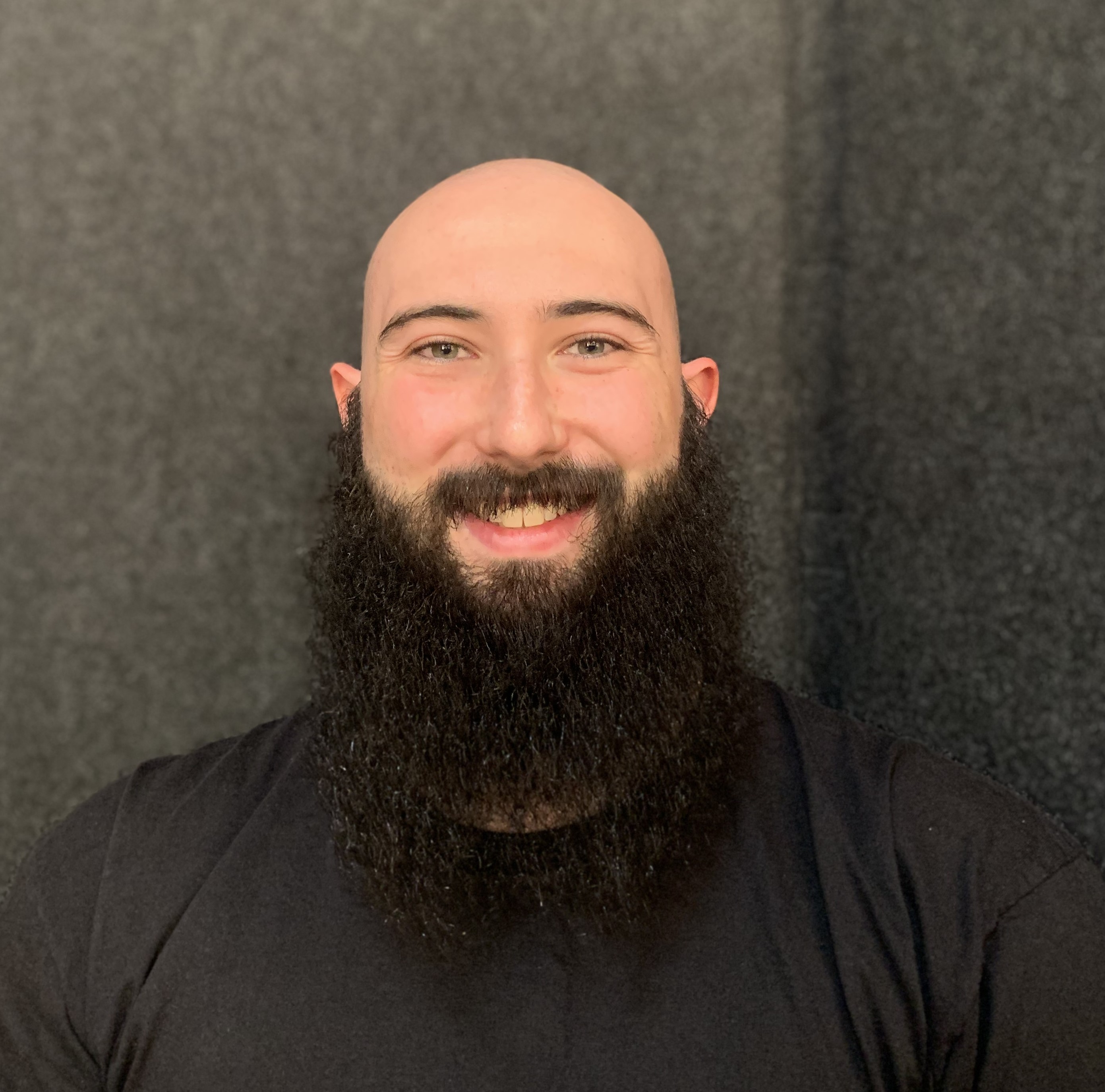
Fig.: James Frew

Name: James Frew

Course: BSc (Hons) Software Engineering

Project Title: An affordable device for monitoring noise levels in home studio environments to warn users of duration-based hearing damage.

Purpose: As a drummer and someone who regularly practises in home studio environments, I quickly became aware of how easily you can be exposed to loud sounds for long periods. Many people only think about hearing damage in terms of volume, but in fact, long durations of noises that aren’t excessively loud can be just as dangerous. I wanted to build a simple and affordable device that could help raise awareness of this overlooked danger and help people protect their hearing.

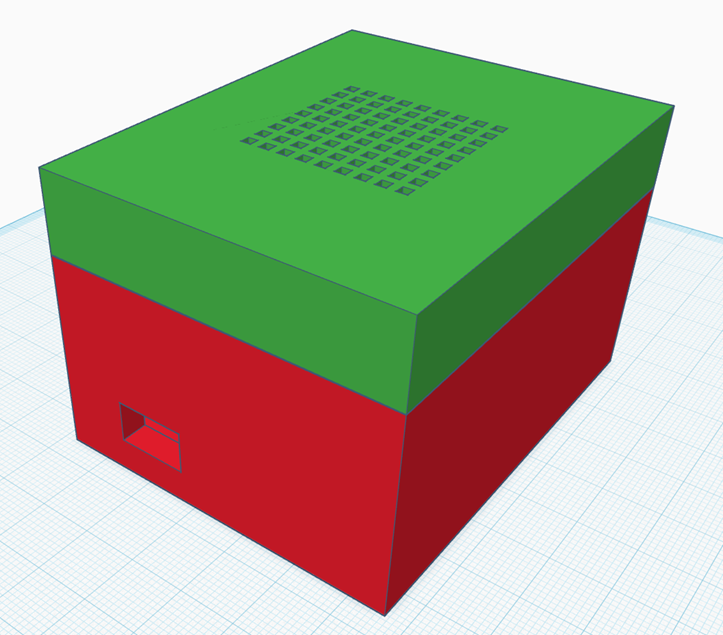
Fig.: Design

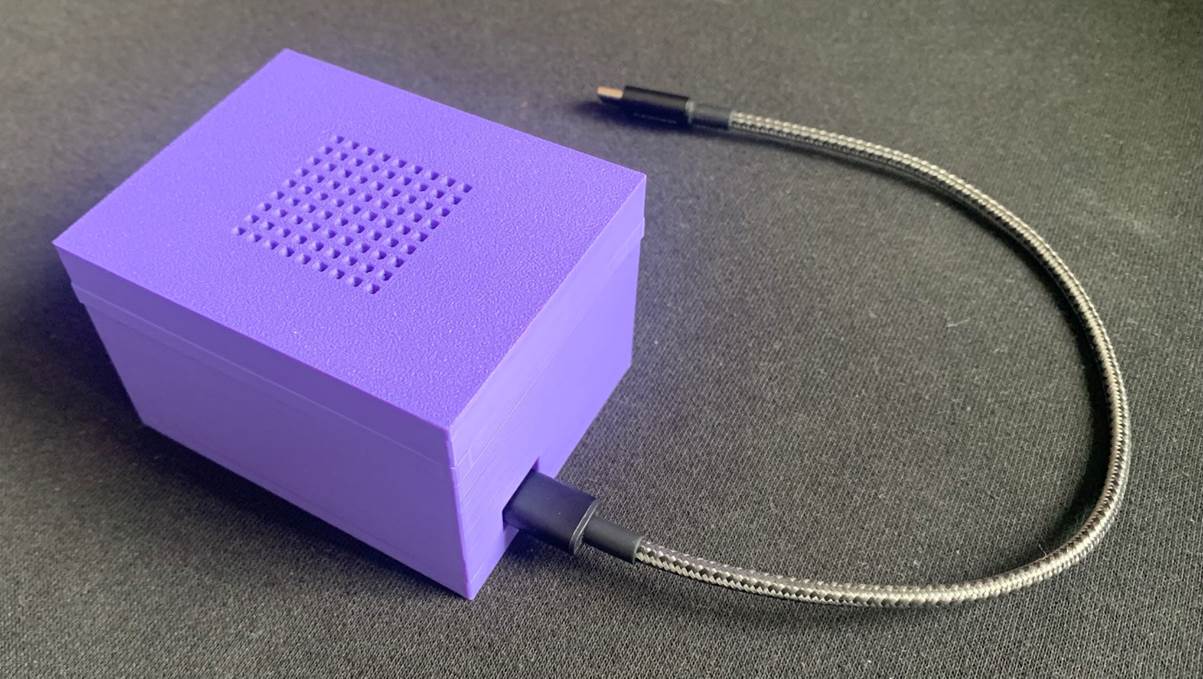
Implementation: The system consists of a small microphone and microcontroller, both housed in a compact 3D-printed case. The device connects to a desktop application built in Python. It monitors the noise in the room in real time, calculates how long it’s safe to be in that environment based on the current sound levels, and sends a warning when the average noise levels since starting the application reach a point where it becomes dangerous to continue listening.

Fig.: Case implementation

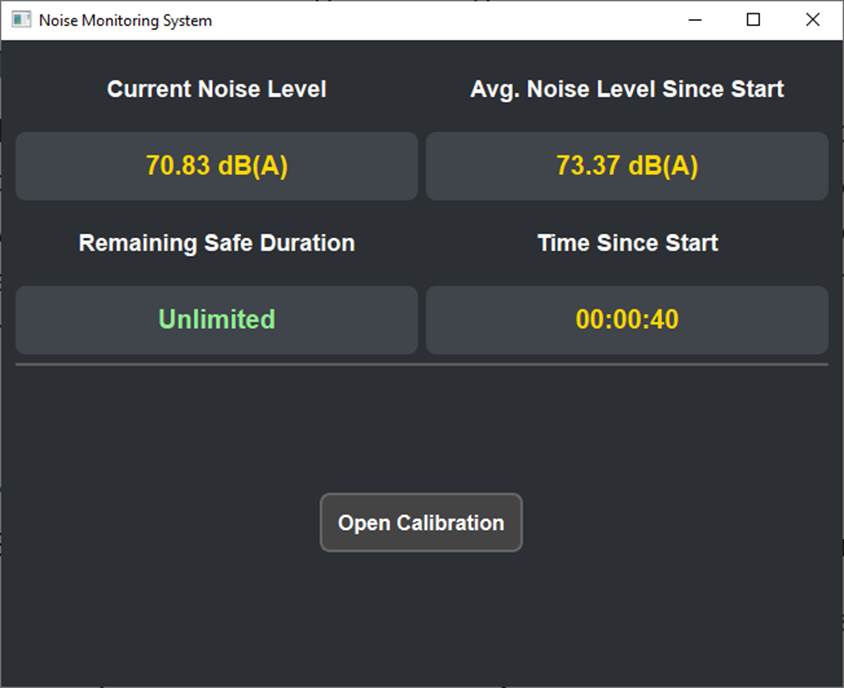
The GUI displays current noise levels, the average levels since starting, the time remaining before risk becomes high, and how long the app has been running. The system was built for under £20 and was tested with real users, receiving very positive feedback for its usability and clarity.

Fig.: Application

Conclusion:
The final product was a reliable, accurate tool that helped users understand their sound environment better. It successfully raised awareness of long-term hearing risks and provided clear, real-time feedback. The project met all its core goals and achieved an excellent System Usability Scale (SUS) score of 89.5. It also received valuable suggestions from users, which could shape future improvements, such as wearable versions and mobile app integration.

Next steps: I’m hoping to move into a role that allows me to work with people and ideally in music or creative environments. I’m particularly interested in opportunities that combine practical problem-solving with collaboration. My degree in Software Engineering has given me a strong foundation in project planning, technical thinking, and building things that work in the real world – skills that will be useful in many industries, not just computing.

Advice for students: Your time and energy are limited, so it’s important to prioritise your studies and project work, especially in your final year. Balancing other commitments is part of life, but giving focused attention to your degree when it counts will really pay off. Also, don’t be afraid to use the tools available to you – make use of AI, but without breaching academic standards. Do use it to help guide research and explore ideas related to your studies, don’t use it as a copy-and-paste tool to blindly research information. AI isn’t going to go away, so it’s important you learn how to use it to assist your studies as early as possible in your degree. Good luck with your studies!

~

For further information about Computing & Computer Science courses at UWTSD, please click here.

Project profile: Kelly Casey

Name: Kelly Casey

Course: BSc (Hons) Software Engineering

Project Title: Women in STEM Study Buddy – A Mobile Application for Academic Networking

Logo
Fig.: FemSTEMConnect

Project introduction:
The motivation behind this project was to address the under-representation and isolation that many women in STEM fields experience during their academic journey. I wanted to create a platform that would allow female students to connect, support one another, and collaborate through shared academic interests. The project reflects both my technical interests and my desire to contribute to inclusion and equity in higher education.

Overview of the Practical implementation:
The application was developed in Android Development Studio using the Kotlin programming language, with Firebase Backend-as-a-Service (BaaS) platform providing services for authentication, data storage, and real-time messaging.

Kotlin, Android Studio and Firebase image
Fig.: Kotlin | Android Studio | Firebase

Key features include:

  • Email link login (no passwords required)
  • Personalised academic profiles
  • Study partner matching using course and location filters
  • A Messaging system for real-time communication.
Fig: Coding

The project was tested on both emulator and physical Android devices for performance and usability.

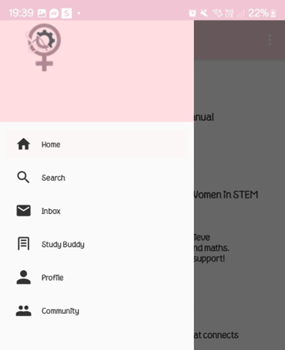
Here are some screenshots from the final app up and working

Fig.: Navigation screen
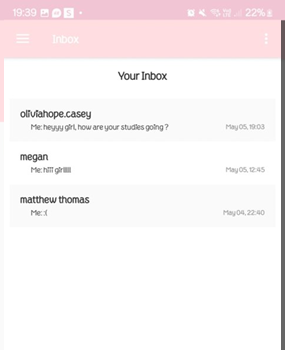
Messaging inbox
Fig.: Messaging inbox
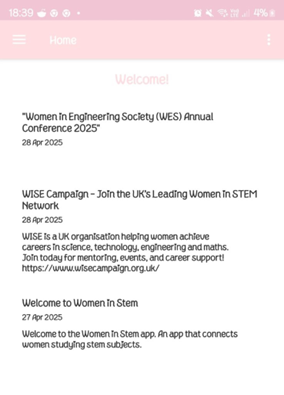
Fig.: Home screen & News feed

Conclusion: The final product successfully met the core functional goals. Users can register, create a profile, search for study partners, and communicate within the app. Although some features like the community forum were postponed, the application is stable, secure, and ready for future expansion. It represents a strong foundation for a peer-support platform specifically tailored to women in STEM.

What Career and job role are you hoping to move Into after Graduation? I’m planning to progress onto a Master’s degree and then move into a software engineering role, ideally within a company focused on education technology or socially impactful work.

Top Tips for Students interested in completing a University Degree: Don’t procrastinate. Choose a project that is manageable not just exciting. It’s better to complete something simple and solid than to get stuck in something too complex to finish on your own. Also, don’t be afraid to ask for help.

~

For further information on Computing courses at UWTSD, please click-here.

Graduate profile: Myles Anderson

Fig.: Graduate – Myles Anderson

Q. Name: Myles Alexander Anderson

Q. University course: BSc (Hons) Business Computing at UWTSD

Q. Job title and role: BT Group (EE/BT) Team Lead

Additional Occupation: Redevelopment Business Director

Q. The organisation you work for?

The BT and EE group is the UK’s largest residential Internet Service Provider, in addition to being the UK’s largest mobile phone network provider.

cc-fig.: BT EE

Additionally, I am the director of my own company, focusing on the redevelopment of properties and converting them into environmentally conscious, sustainable student lets. (Known officially as HMOs, Houses of Multiple Occupation.) 


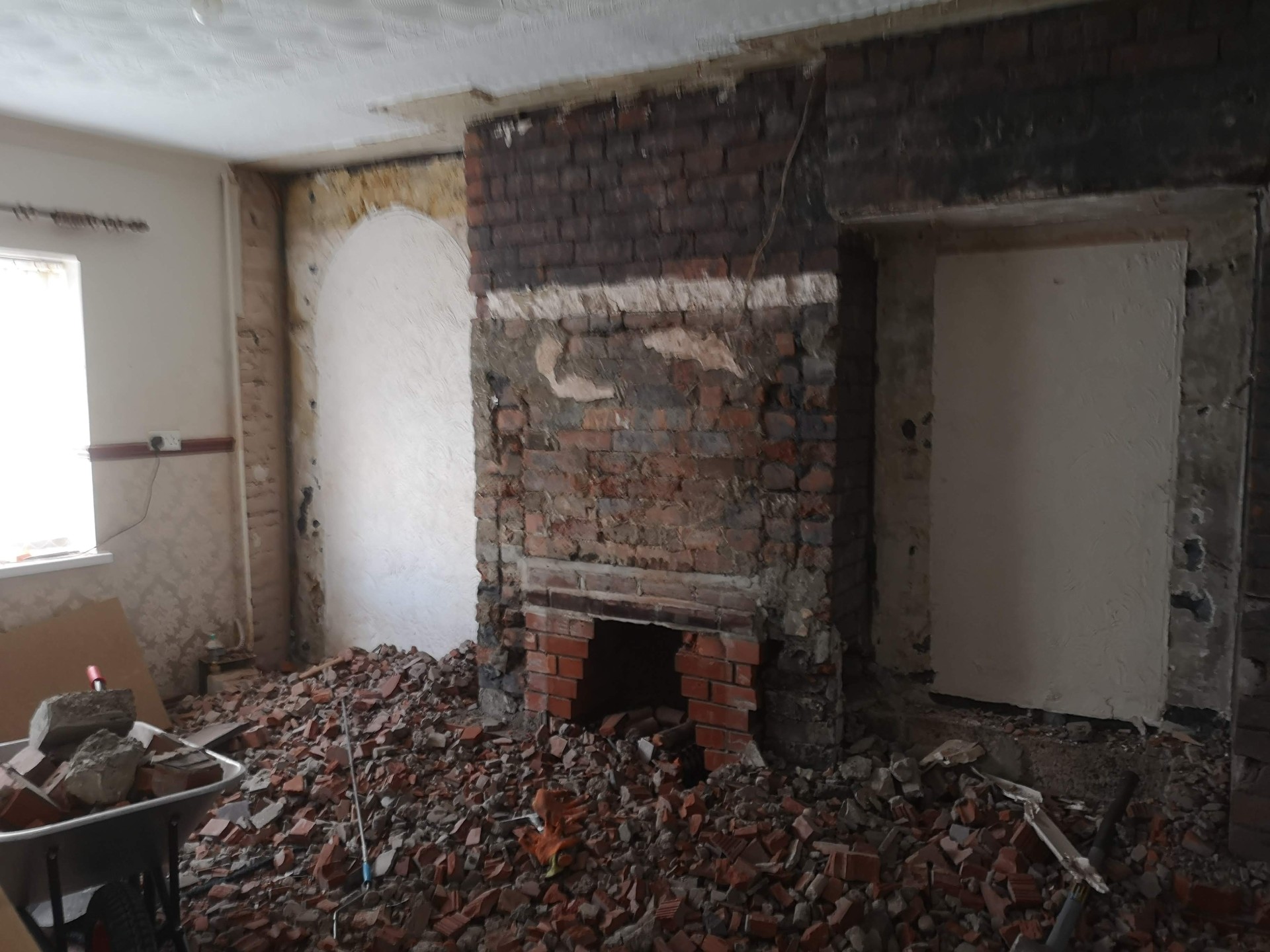
Fig.: Pre-renovation

Fig.: Post-renovation

Q. Which skills learned at University are helpful to you in your job?

As part of my undergraduate degree, I undertook modules such as ‘Managing People and Change’ and ‘Usability Engineering’. These modules provided me with real-world insight into how to lead and manage teams of individuals in my professional career. Additionally, usability engineering directly aided me in developing contemporary business plans and product/marketing strategies.

Q. What aspects of your job do you enjoy most?

Money.. Jokes aside, there is something incredibly satisfying in helping others achieve heights they once thought impossible. Turning low-confidence, underperforming team members into smiling, highly productive employees helps both the individual and the wider business achieve the goals and targets set before them.

The same satisfaction is directly correlated to the real-estate projects, as turning unloved, dilapidated properties into homes for multiple students allows me not only to see a project develop from its infancy until its final stage, but it also provides high-quality, lower-cost accommodation for individuals who are trying to achieve more for themselves. 

Q. What opportunities has University opened up and supported you in pursuing?

Upon my graduation, the university kindly offered me the opportunity to pursue further study, such as PHD Doctoral support, and whilst at this stage I have not taken up this offer, the fact that this is available for high-achieving graduates illustrates how UWTSD is willing to invest and support in home-grown talent.

In addition, the network I built during my time at the university has proved invaluable, with friends who have become Mortgage Brokers (aided in real estate) and Openreach Engineers (Helped in my BT teams roll-out of FTTP in South Wales).

cc-fig.: BT Towers in Swansea (Wales) & London (England)

Q. Do you have any advice for students who would like to start a Career?

Do not be afraid to take risks. Through personal travel, I have visited nations where ‘real’ abject poverty is unavoidable. This reality check gave me a major perspective shift on the country we call home. 

We are incredibly lucky to live in a country with such a strong safety net, so if you’re ambitious and have a business idea you really want to try, plan it out properly and then give it a go! Worst case scenario, you’re back where you started. Best case? Skies the limit.

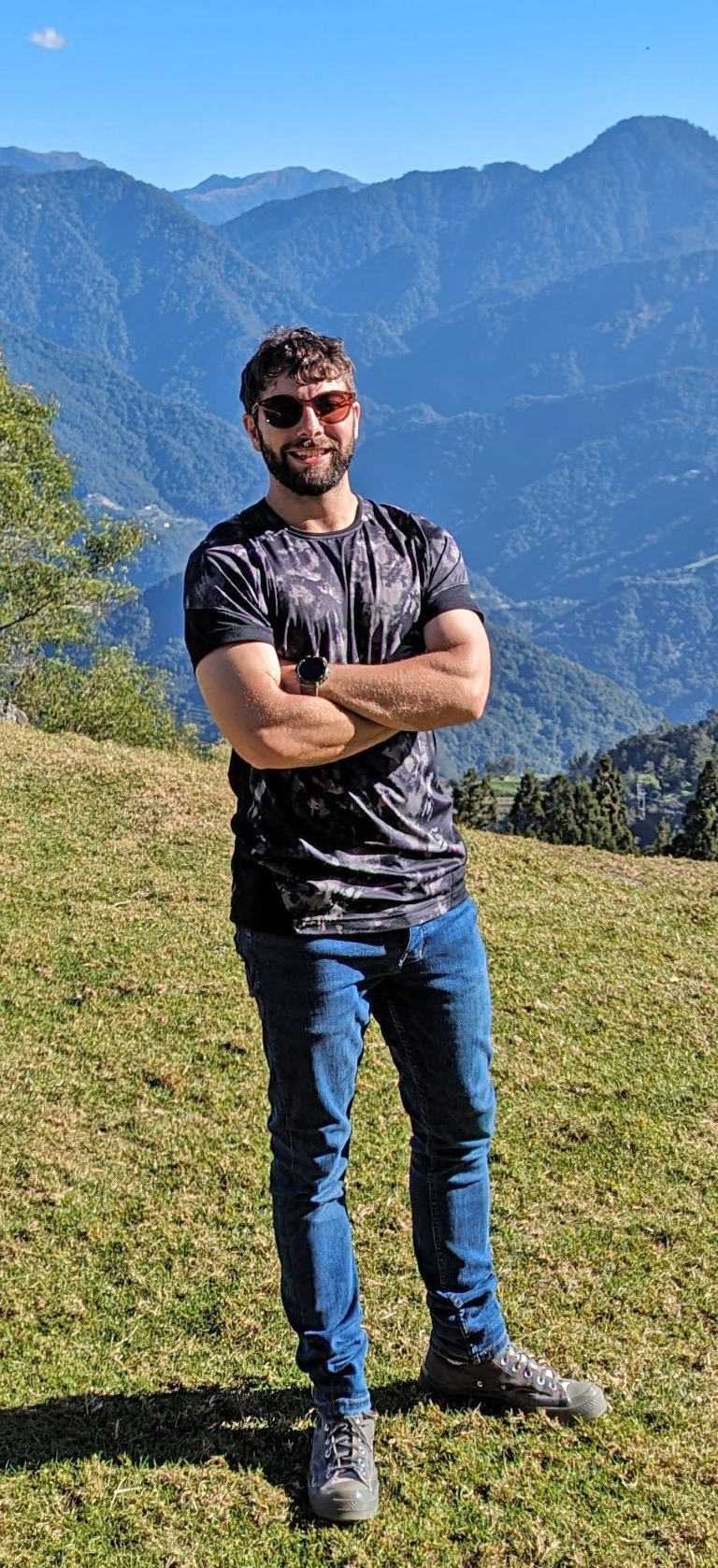
Fig.: Myles Anderson – 12,000ft above Sea-level in Taiwan.

Q. A Quote that sums up your time at the University?

“Do. Or do not. There is no try.” – Yoda

cc-fig: Yoda
(Legendary Jedi Master)

~

For more information about Computing courses at UWTSD click-here.

Guest Lecture: Network Automation and CI/CD

Guest Lecturer:
Nagaraj Ravinuthala

This week, Nagaraj Ravinuthala, a DevOps trainer at HCL Technologies Limited and a specialised trainer for WorldSkills UK Squad on Infrastructure Automation, delivered a Guest Lecture on Network Automation and CI/CD to our students.

The lecture began with basic yet powerful concepts of deployment and CI/CD, connecting the dots between writing code, integrating APIs, and automating the process of pushing updates live. The session emphasized simplicity and clarity, presenting CI/CD as a pipeline that automates code testing, integration, and deployment to production environments.

“Think of CI/CD as a conveyor belt for your code,” explained Nagaraj. “You write it, test it, and deploy it—all in a streamlined process that ensures faster delivery and better reliability, which are essential in modern network automation workflows.”

Students were introduced to tools and techniques aligned with Cisco’s CCNA DevNet, providing a glimpse into industry-standard practices. To make deployment relatable, the lecturer drew parallels with the earlier lectures on Python and API during their Network Programmability Module where the students integrated the OpenWeather API creating and running a Python script, and explaining that deployment involves taking code that works locally and making it accessible to users.

The session concluded with an interactive Q&A, where students enthusiastically asked about real-world applications of network automation and the career paths that mastery in CI/CD can unlock.

This guest lecture was an eye-opening experience for students, sparking curiosity and laying the foundation for further exploration in network automation. It was a step toward preparing them for the evolving demands of the industry.

We would like to thank Nagaraj Ravinuthala for taking time to speak and share valuable industry knowledge with our students.

For further information about our courses, please click-here.

MSc Project: Cyber Security

Student name:
Sakthi Sangeetha Kandaswamy

MSc Project title: Analysing risk in Vulnerability Assessment and Penetration Testing Methodology

Course: MSc Cybersecurity and Digital Forensics

Introduction/rationale:
The motivation behind choosing the project stemmed from the growing need for more structured and standardized approaches to penetration testing and vulnerability assessment. With cyberattacks becoming increasingly sophisticated, organizations struggle to identify and remediate vulnerabilities efficiently.

TECH TERM: Penetration testing, often referred to as ‘pen testing‘, is a cybersecurity practice where ethical hackers simulate cyberattacks on a computer system, network, or web application to identify vulnerabilities that could be exploited by malicious hackers. The main goals of penetration testing is to:
1. Identify security weaknesses
2. Assess the effectiveness of security measures
3. Improve overall security posture: By identifying and fixing vulnerabilities, organizations can strengthen their defenses against potential cyber threats.

The MITRE ATT&CK Framework provides a well-defined structure for understanding adversarial techniques and tactics, making it ideal for enhancing VAPT (Vulnerability Assessment and Penetration Testing) methodologies. This project aimed to leverage MITRE’s capabilities to analyze risk, improve testing scope, and ensure that testing efforts are comprehensive and aligned with real-world threats.

Project overview:
In this project, we integrated the MITRE ATT&CK Framework into the traditional VAPT methodology to refine the testing scope and increase effectiveness in detecting vulnerabilities. The steps involved included:

  • Defining the Scope: The project began by clearly defining the boundaries and goals of the penetration test. Using the MITRE Framework, specific attack vectors and techniques relevant to the organization’s environment were identified.
  • Conducting Vulnerability Scanning: Automated tools were used to perform initial vulnerability scans, identifying weak points that attackers might exploit.
  • Simulating Attacks Using MITRE Tactics: We designed attack scenarios based on the tactics and techniques outlined in MITRE ATT&CK, simulating adversarial behavior. This allowed us to target the actual risks that real attackers would exploit, rather than theoretical vulnerabilities.
  • Analyzing Results and Refining Scope: Post-attack analysis identified network gaps and weaknesses in current defenses. The scope of the testing was iteratively refined based on these findings.
  • Reporting and Remediation: Finally, comprehensive reports were generated, providing actionable insights for the security team, along with specific recommendations for closing vulnerabilities.

Visual Representation: A flow diagram illustrating the process of integrating MITRE with VAPT in Penetration Testing Stages, is located below:

Project outcome & conclusion:
The integration of the MITRE ATT&CK Framework significantly enhanced the scope and depth of the VAPT process. By aligning testing activities with real-world adversarial tactics, the project was able to identify previously overlooked risks and vulnerabilities. The methodology provided a more focused, risk-based approach to penetration testing, ensuring that organizations could better prepare for and mitigate threats. The project demonstrated that using MITRE not only strengthens the identification of vulnerabilities but also offers a more comprehensive understanding of the adversarial techniques that could affect critical systems.

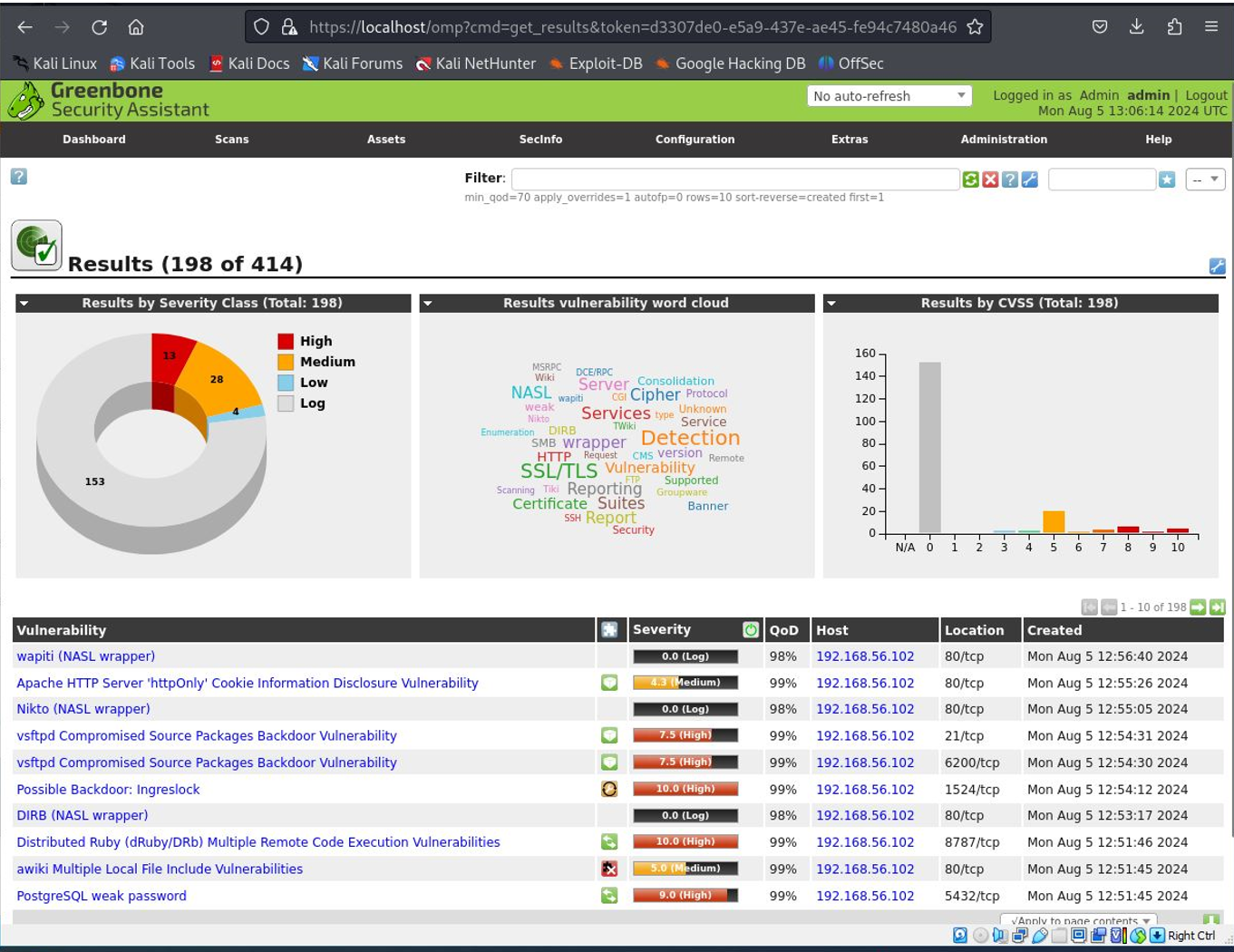
OpenVAS is a full-featured vulnerability scanning tool, that was used for this purposes of this project. An example output of vulnerability findings can be seen below:

Q. What Career and job role are you hoping to move into after graduation?
After graduation, I am hoping to pursue a career in cybersecurity, with a specific focus on roles like:

  • Penetration Tester: Using tools and methodologies (such as MITRE ATT&CK) to identify vulnerabilities in an organization’s IT infrastructure.
  • Cybersecurity Analyst: Monitoring, analyzing, and defending against cybersecurity threats.
  • Security Consultant: Advising organizations on how to improve their security posture by implementing effective VAPT practices.

These roles align with my passion for understanding and mitigating cyber risks, particularly in offensive security and ethical hacking.

Q. Please share a top tip/advice for students who are interested in completing a University Degree?
My top tip for students is to focus on practical applications of what you learn. Theoretical knowledge is important, but real growth happens when you apply it in real-world scenarios, whether through internships, projects, or labs. Hands-on experience not only solidifies your understanding but also makes you more marketable in the job market.

For further information about Computing courses at UWTSD, please click-here.

~

UWTSD Computing students take their learning journey to Paris

Computing students from the University of Wales Trinity Saint David (UWTSD) have enjoyed the sights and sounds of Paris as part of an international learning journey. The students studied at the Institut Supérieur d’Electronique de Paris (ISEP).

Taith provides funding to enable education staff and learners to spend time abroad as part of their studies. It also brings learners and educators from around the world to Wales.

The programme, with Welsh Government funding of £65 million, launched in 2022 and offers life-changing opportunities to travel and learn for learners and staff in every part of Wales, and in every type of education.

The UWTSD partnership also coincided with the Welsh Government’s ‘Wales in France’ initiative, a year-long celebration of cultural, business and sporting events designed to strengthen existing links and forge new connections between the two countries. 

The UWTSD students attended classes with French students and studied subjects similar to those that they study in Wales. Most of the classes at ISEP are delivered in English, so the students were easily able to join their French counterparts for studies. 

Kath Griffiths, International Regional manager (North America and Outward Mobility), Wales Global Academy said : “We are delighted that students from a Welsh institution funded via Taith have spent two weeks in Paris. UWTSD is currently hosting 24 students from ISEP in Swansea. 

“A key feature of the Taith programme is reciprocity; the ability to nurture and develop overseas partners who are already committing to reciprocal arrangements regarding student exchange. This approach through Taith enables high-quality placements and builds towards our aspiration to provide all domestic students with the opportunity to study internationally, ISEP which will strengthen our international profile and create opportunities for staff and students to pursue their interests with reciprocal opportunities for international learners here in Wales. 

“This provides an excellent opportunity for students to experience living and studying in another country and to gain invaluable insight into international employment opportunities.”

Dr Kapilan Radhakrishnan, Academic Director, Applied Computing said: “Amidst the iconic landmarks and cultural marvels, our students delved deep into a world of academic exploration. From classroom experiences to dynamic engagements in extracurricular and social activities, each moment was a stepping stone towards personal and educational growth. 

“This exchange not only broadened their academic horizons but also fostered a vibrant tapestry of cultural understanding and friendship. Interacting with students, academics, and professionals from diverse backgrounds exposes students to a variety of viewpoints and approaches, broadening their perspectives and critical thinking skills. Collaborating with classmates in unfamiliar settings fosters teamwork, communication, and interpersonal skills, strengthening bonds and creating lasting friendships.

“The study trip provided a rich and multifaceted learning experience that goes beyond traditional classroom settings, offering students a unique opportunity for personal, academic, and professional development. Our students have returned home enriched with a wealth of diverse perspectives and unforgettable memories.”

Source: https://www.uwtsd.ac.uk/news/uwtsd-students-take-their-learning-journey-paris-part-welsh-governments-taith-programme-0
For further information: Contact Executive Press and Media Relations Officer, Rebecca Davies rebecca.davies@uwtsd.ac.uk.

Student Profile: Kallem G. Thomas

Q. What is your Name? Kallem G Thomas

Q. What inspires you about Computing/Technology/Electronics? The fact that computing is logical based and not emotionally based, I know that if my program doesn’t work, I have done something wrong. And I know that if it works as I want it to work, then I know I have done it correctly.

Q. What is your current favorite piece of Technology/hardware/software/App? Currently, my favorite piece of software would be Opera GX, it is a web browser specifically made for Gamers, one of the features I love the most about it is the “Force dark pages”, which does exactly as it sounds, no matter what page or website you load into, the browser will force the page to dark mode and adjust the font accordingly.

Q. Which University course are you studying and what year are you on? BSc (Hons) Computer Games Development – Year 1 of 3.

Q. What technical and employability skills are you learning on your course? I have learned to create a GDD (Game Design Document), which in the future game industry, I would be required to create and understand GDDs to create a new game. I have also been learning the C coding language as a whole to further my knowledge of coding.

Q. How do you think Technology is and will change the world for the better? On 16th July 1969, the first man landed on the moon, and now on the 29th of September 2023, humanity has created artificial intelligence to start automating mundane tasks. I would say technology CAN change the world for the better.

Q. What Career/job role would you like to enter after you Graduate? Videogame developer/designer.

Q. Do you have any hints/tips/advice for students who would like to start a University course? Your time at university is not just time to learn, it is also a time to connect with others and to start networking with others.

Q. In a few words describe your experience so far at UWTSD?. I have met so many great people on my course, not just my classmates, but my peers as well. It has been amazing, and I have already learned so many things while at UWTSD.

For further information about Computing courses at UWTSD, please click-here.

Emerging Trends Lecture: Complex Autonomous Robotic Systems

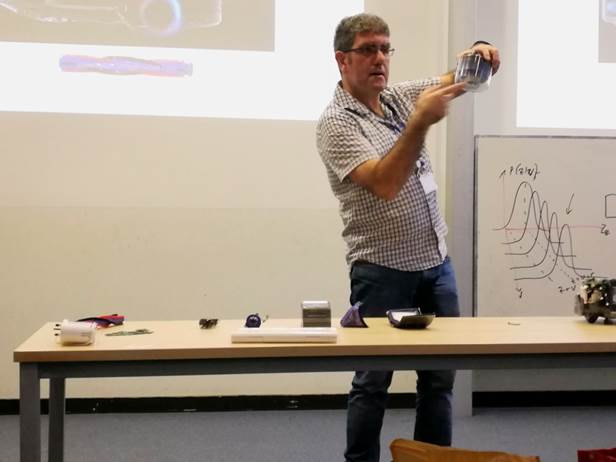
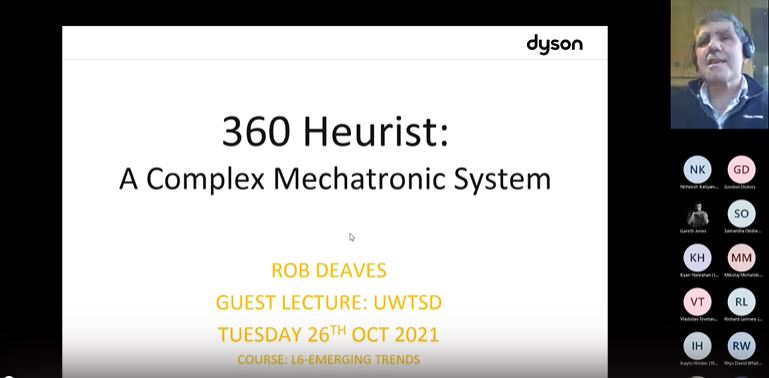
The Applied Computing Team at UWTSD, had the pleasure of welcoming Dr Rob Deaves (below), a visiting Professor of Robotics Systems Architectures to deliver a Guest Lecture on Complex Autonomous Robotic Systems.

The talk covered many related areas and enabled listeners to enhance their knowledge and skills in the following topics:

* Robotic components in a mass market commercial robot;
* Usefulness of visualisation tools;
* Testing campaigns based on simulation, prototyping and trials;
* Product and support systems;
* Appreciation of what is required to take research to product.

“In recent years autonomous robots are starting to provide useful functions for society. Future developments will be really exciting allowing robotics to help address the UN sustainability goals!”  – Dr Rob Deaves, RAEng Visiting Professor of Robotics Systems Architectures.

Dr. Rob Deaves, Guest Lecture at UWTSD Swansea, School of Applied Computing.

About: Dr Rob Deaves is a Dyson Robotics Architect from Imperial College London.

The Applied Computing Team would like to thank Dr. Deaves for taking the time to share his knowledge and experience with our staff and students. The lecture was organised by UWTSD Computing Lecturer Dr. Nitheesh Kaliyamurthy as part of the Emerging Trends module, a final year module on all Computing degree courses.

For more information about our courses please click-here.

Graduate Profile: John Rees @ ARM


Q. What is your Name? John Rees


Q. What University course/s did you study? B.Eng Computer Systems Engineering (Electronics)
“A stepping stone to engineering.”
Q. What is your job title and role? Technical Director at ARM. Leader of the ARM Mali GPU SW Architecture Team. I lead a team of architects who work to define the SW architecture of the GPU driver for supporting OpenGLES, Vulkan and OpenCL khronos APIs for mobile, digital television and emerging markets demanding the needs of a GPU.


Q. Could you briefly describe the organisation you work for? ARM develops and licenses a wide range of software and silicon IP for inclusion in SoC designs that are deployed in very wide number of market segments and domains,  Arm is unique in that it does not produce SoC devices itself.


Q. Which skills learned at University are helpful to you in your job? Embedded Systems, Digital Systems, Digital Signal Processing, Object Orientated Programming, Control Systems, Electronics


Q. Do you have a typical day and how would you describe it? There is no typical day!  Working on GPU’s is a challenging environment and we face new challenges almost daily stemming from new trends in the market place, new technologies in silicon, competitors and the continuous customer quest for differentiation and pushing the boundaries of technology. Beyond that the typical day is spent analysing incoming product requirements and finding solutions within the many constraints, requesting or reviewing GPU HW features, obtaining wider ecosystem support, documenting the SW designs, engaging with customers and as a leader ensuring that people collaborate well together.


Q. What aspects of your job do you enjoy most? I really enjoy my job when we can find a solution to a given problem, there is a real buzz when you find it, I have found over time that it does not matter if it is hunting a bug in a system or code module, finding a solution to a architectural problem or fixing some working practice or process within an organisation where it will improve engineering.  Working with many bright people and understanding how different people solve problems, it can be challenging to come to some alignment but satisfying when you do. Another aspect is seeing products in the market that I can attribute to my work and show people.


Q. Do you have any advice for students who would like to start a Career? I would advocate using your spare time for hobby projects, its a cliche but there really is much to be gained from practical application.  You can learn a lot of essential and transferable skills that you will draw upon throughout your University program and your career. Further, it can help to narrow your interests that you really engage with and enjoy. Having some of the skills on board before you join an organisation can really help you in your early roles.


Q. A Quote that sums up your time at the University? A stepping stone to engineering.


For more information about Applied Computing courses at UWTSD please click-here.

Graduate Profile: Matthew Meader @ NWIS

Q. What is your Name? Matthew Rhys Meader.

Q. What University course/s did you study? BSc (Hons) Computing & Information Systems (1st Class)

Q. What is your job title and role? As a Senior Software Developer, it is my role to engage in all phases of the software development lifecycle that include the analysis, design, development and support of nationally used clinical systems used within NHS Wales. It is also my role to mentor new staff with less clinical and technical knowledge and expertise.

Q. Could you briefly describe the organisation you work for? I work for the NHS Wales Informatics Service (NWIS); we supply over seventy software services to users across NHS Wales and to other parts of the United Kingdom. We support doctors, nurses and other clinical professionals, helping them provide specialist care to patients in hospitals, GP practices and across the community.
My team in particular are responsible for updating, maintaining and creating new modules for the Welsh Patient Administration System (WPAS). This system records details of patient’s hospital visits, including waiting list management, medical records, inpatient treatment, outpatient appointments and emergency visits.

Q. Which skills learned at University are helpful to you in your job? The most prevalent skill I gained whilst at University was the ability to write clean code and learn new languages as and when required. Other skills I learned that were helpful include:
• Project Management.
• Software Development Methodologies (Agile etc…)
• Usability Engineering & UX Design.
• Web Design.
• JavaScript, JQuery, JSON, Web Services (REST/SOAP), CSS/LESS.
• SQL.

Q. Do you have a typical day and how would you describe it? My typical day usually starts at 0800 with me planning the day ahead by checking emails and the Team Foundation Server (TFS) to ensure that all work tasks are on schedule and prioritised correctly. We hold daily SCRUM meetings to divide workloads amongst the team and to effectively help those struggling on certain tasks. Throughout the day, the team (Including myself) work on agreed tasks, but sometimes we have to fix bugs identified by users. This usually comes through from the helpdesk, though we do have to call users to gain an insight into the bug before creating a fix. Once a fix is completed and checked into Source Control, tests are conducted against the Systems Requirements Specification (SRS) document as well as a pre-defined Test Plan that the developer creates at the start of each task. The job at times can be unpredictable and requires focus and efficiency.

Q. What aspects of your job do you enjoy most? I enjoy problem solving, especially when it takes a long time to solve and it gives me great joy when a piece of work that I have developed is released LIVE with the knowledge that it is being used in hospitals across Wales.

Q. Do you have any advice for students who would like to start a Career? If you wish to start a career straight from University, then I suggest looking for jobs half way through your third year, this will give you scope as to what is out there. Also, look out for Graduate schemes in workplaces, these will give you the experience you need and can help you progress in that organisation. Also to Quote Vincent, van Gogh:

“Great things are not done by impulse, but by a series of small things brought together.”

Think about this as you start each assignment and think what grade you wish to achieve at the end goal ‘Graduation’. Also, remember to ask questions.

Q. A Quote that sums up your time at the University?

“Teachers/Lecturers open doors, but you must walk through them yourself. “

I loved my time at university; it gave me perspective into my capabilities and motivated me more than I ever was in school. The lecturers were extremely helpful and I urge students to talk to them whenever they can.

For more information about Computing courses and opportunities at UWTSD please click here.