The School of Applied Computing at the University of Wales Trinity Saint David (UWTSD), wish all of our students, staff, alumni, industry partners and friends a very Merry Christmas and a Happy New Year 2026. 🎄 ✨

The School of Applied Computing at the University of Wales Trinity Saint David (UWTSD), wish all of our students, staff, alumni, industry partners and friends a very Merry Christmas and a Happy New Year 2026. 🎄 ✨
Many thanks to David Jones (Consultant) and Geraint Williams (Director of Mission Control) from Fujitsu for recently visiting the University and speaking with our students.
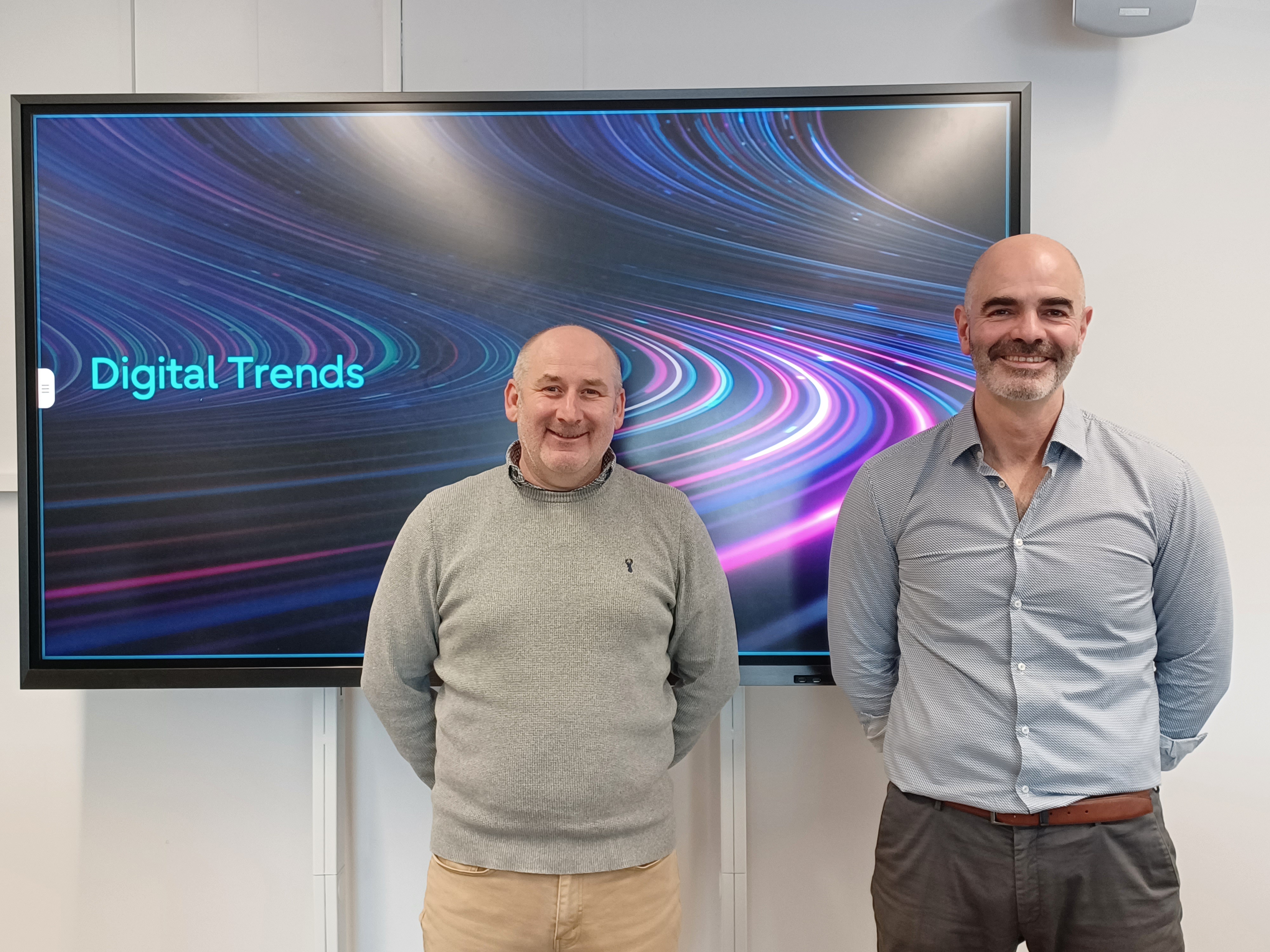
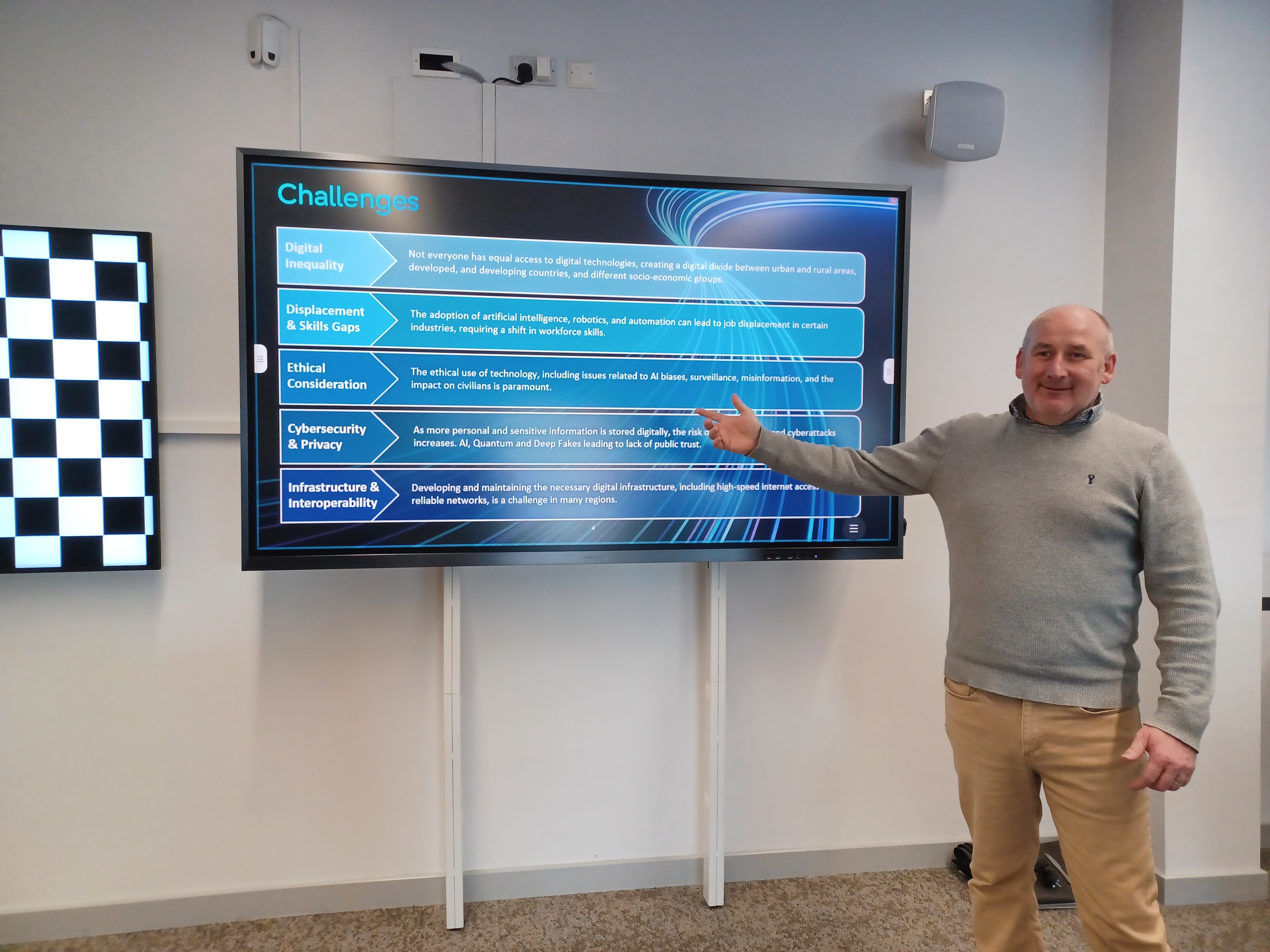
The talk titled ‘Digital Trends‘ covered the incredible rapid innovation and evolution of Technology that has brought about an incredible transformation and digitization of society. Highlighting significant historical and current innovations, positive impacts, and emerging trends & technologies, challenges and future impacts. A whistle stop tour of the digital landscape: past, present and future. A fascinating talk enjoyed by all, staff and students alike.
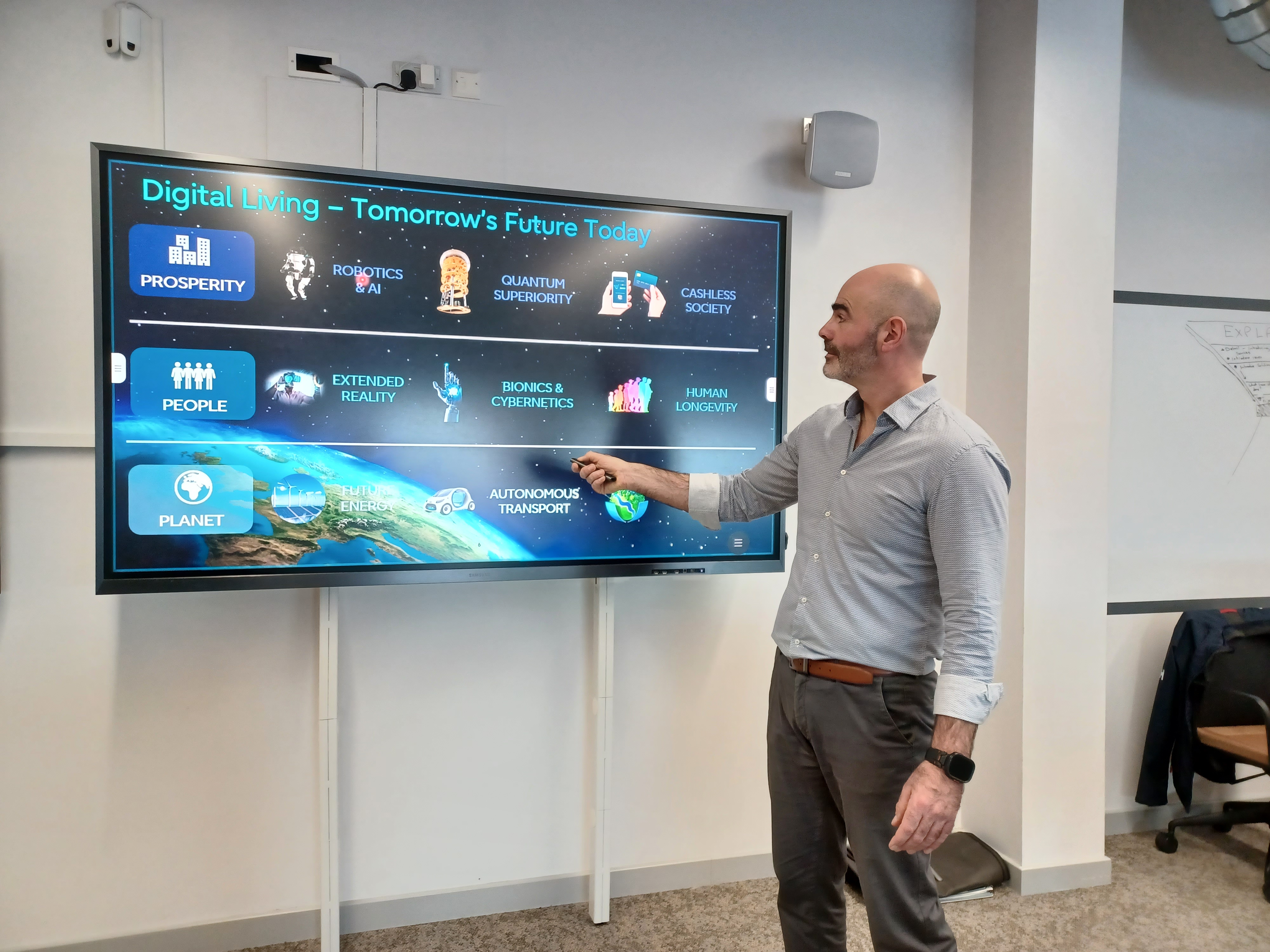
“Our Digital Trends talk, delved into the multifaceted impact of digitalisation on society, business, and daily life. It highlights key themes such as the integration of technology into everyday activities, the challenges of digital transformation, lifestyle shifts driven by digital innovation, and future trends including Robotics, AI, and Quantum Computing. Additionally, it introduces the concept of Human Centric Design and describes a workshop where participants tackle the ethical integration of Generative AI in organisations, focusing on creating value while mitigating risks such as misinformation and bias”. – David Jones (Guest Speaker from Fujitsu)
David went on to explain that the Digital Trends talk explored the ongoing digital transformation shaping society, business, and daily life. And that it’s purpose is to inform and inspire audiences about the profound impact of digitalisation, the benefits and challenges it brings, and the emerging trends that will define the future.
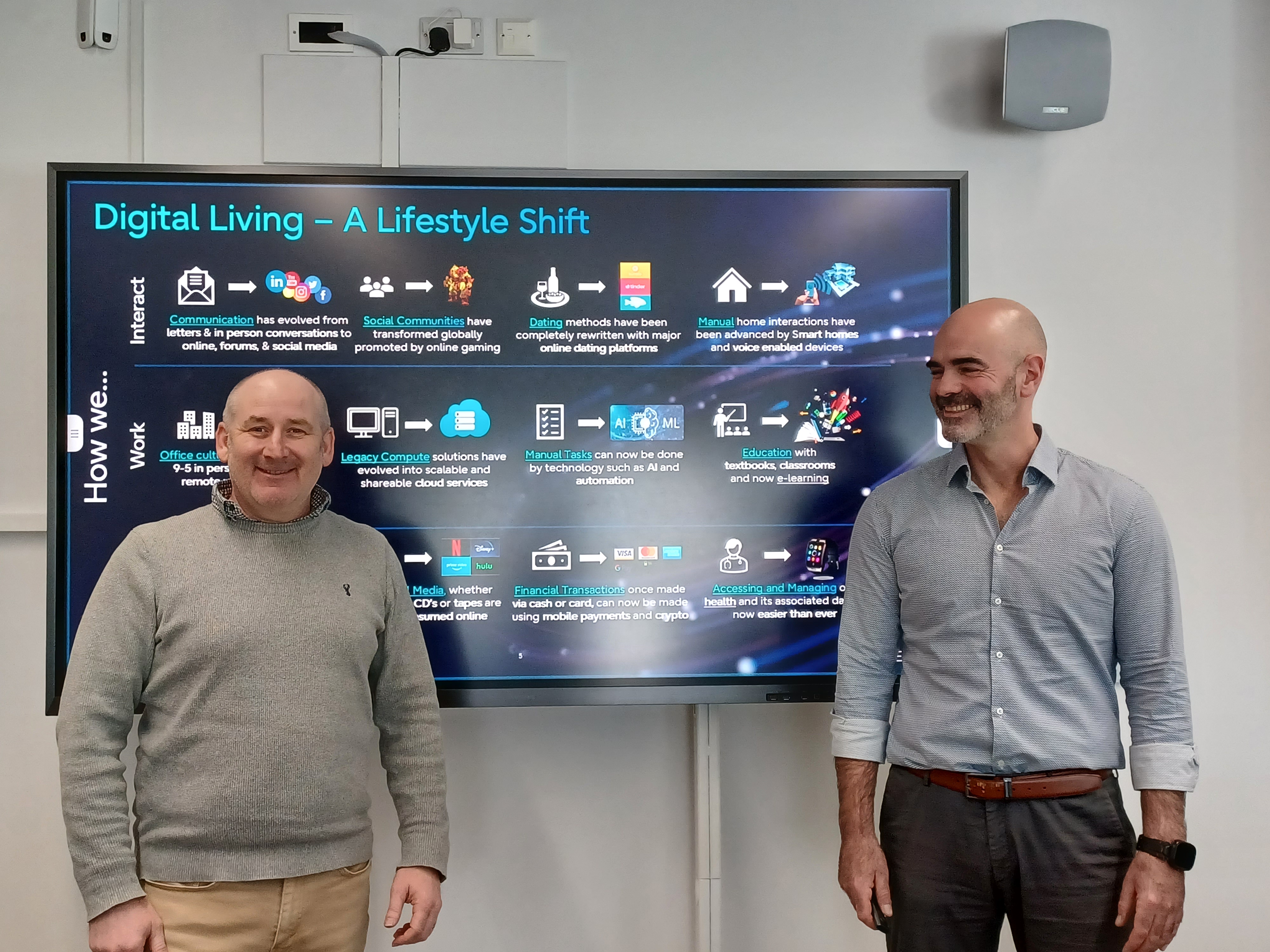
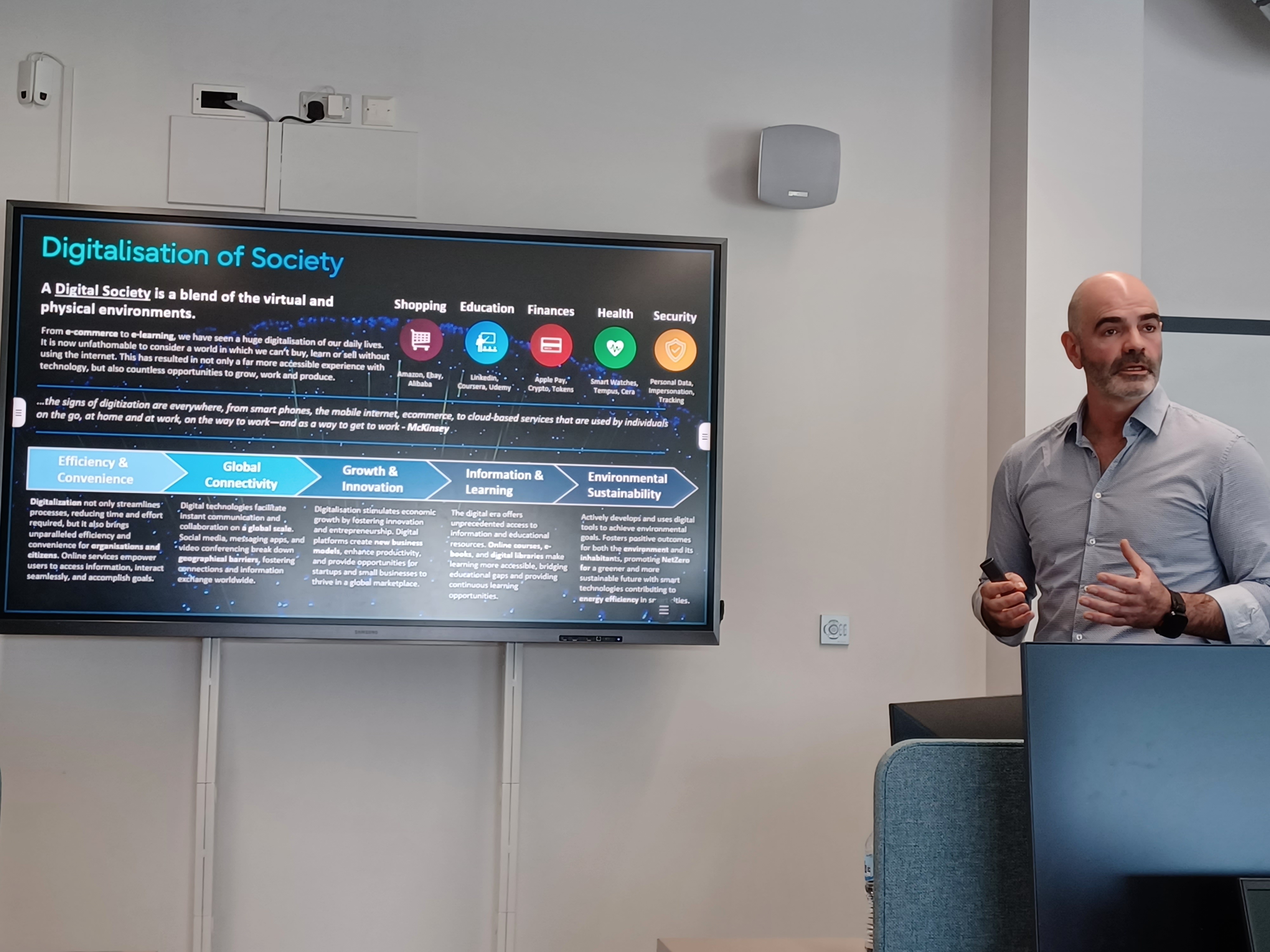
Key Themes Covered:
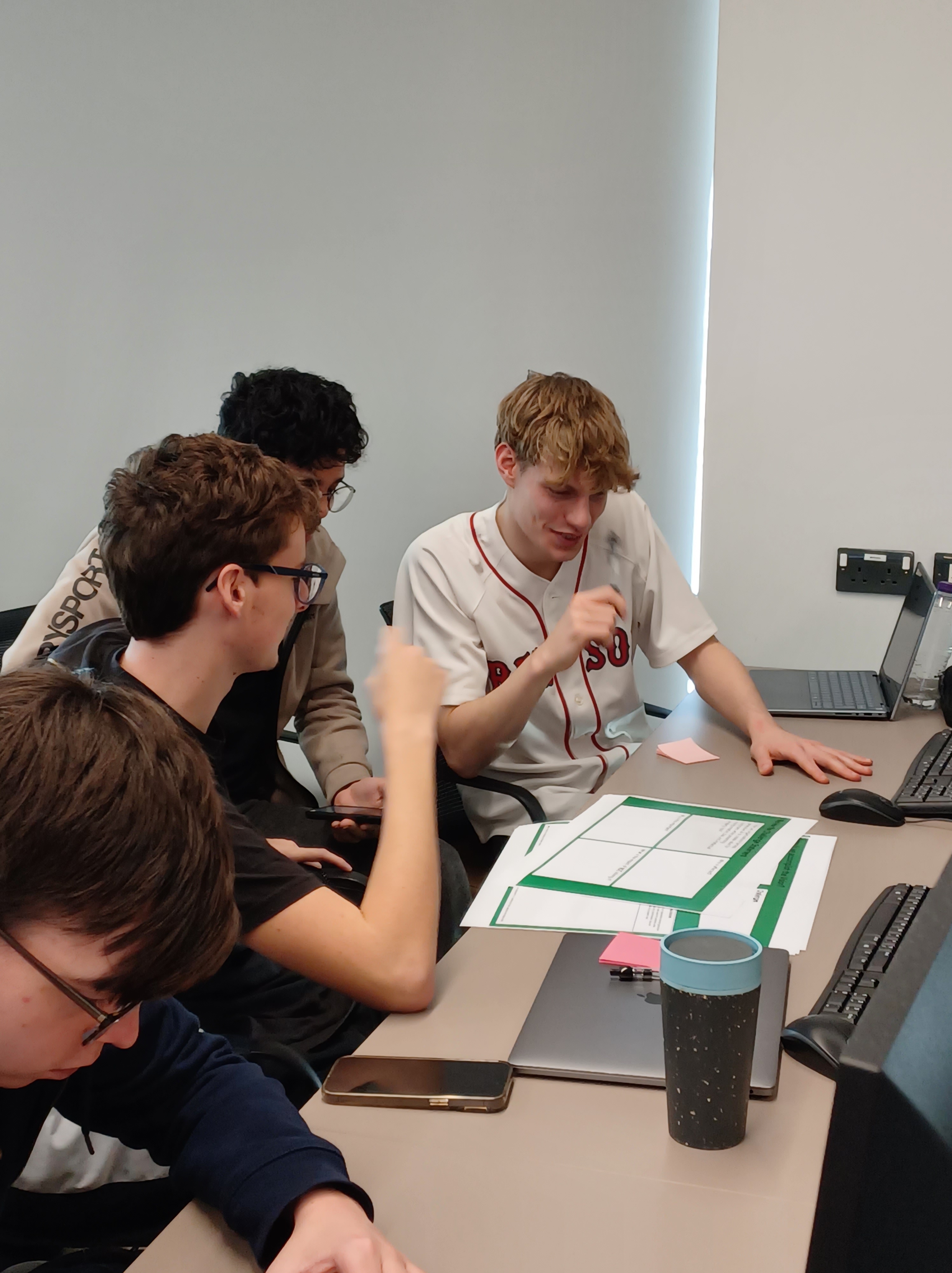
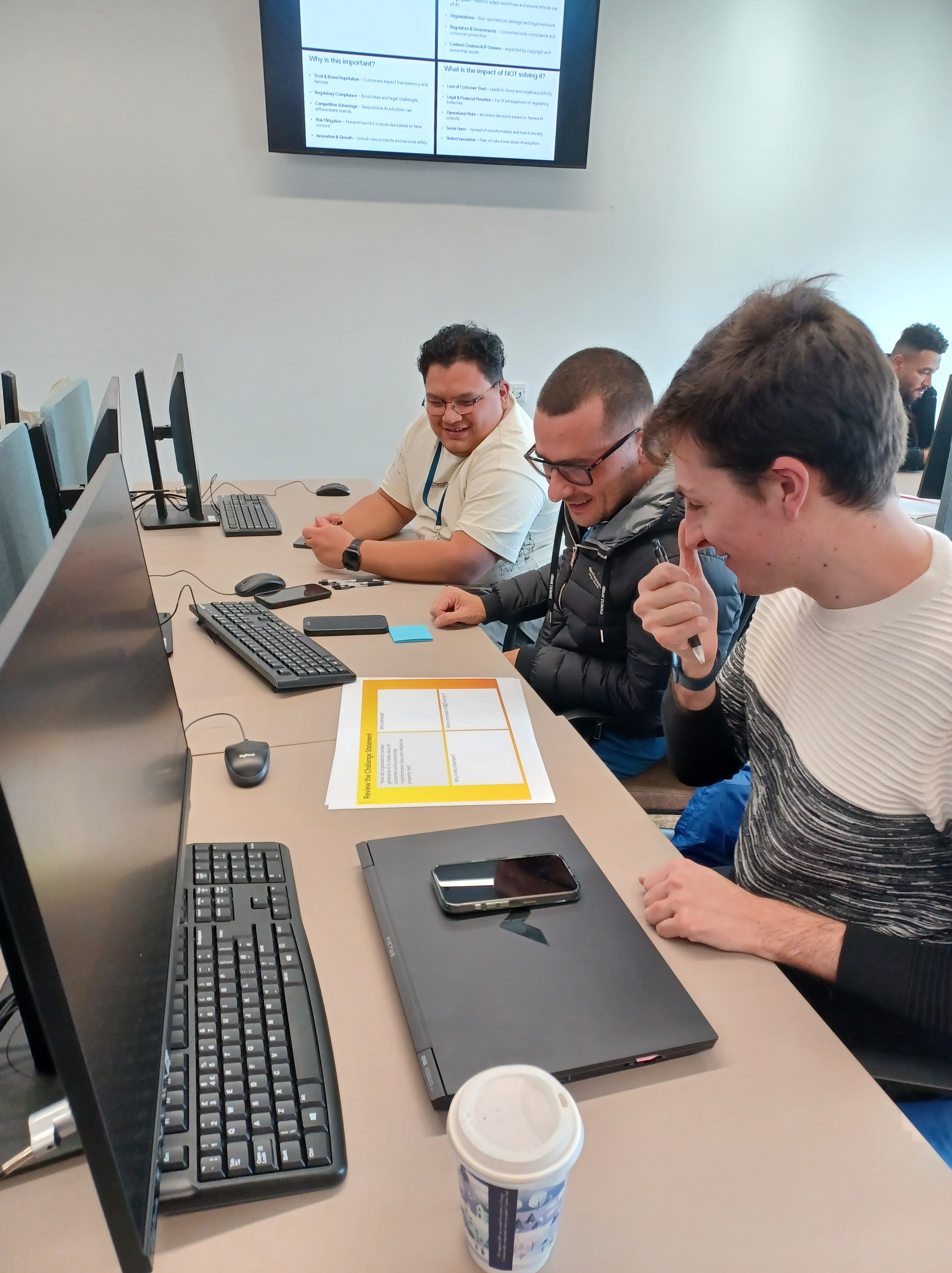
The Human Centric Design workshop provided students with a Challenge Statement: How can organisations harness Generative AI to create value for customers while preventing misinformation, bias, and intellectual property risks. It gave the students an opportunity to consider the introduction of AI into a company’s ecosystem and how they can work together to ideate and reach a consensus on what the key features and challenges are for ethical AI solutions.
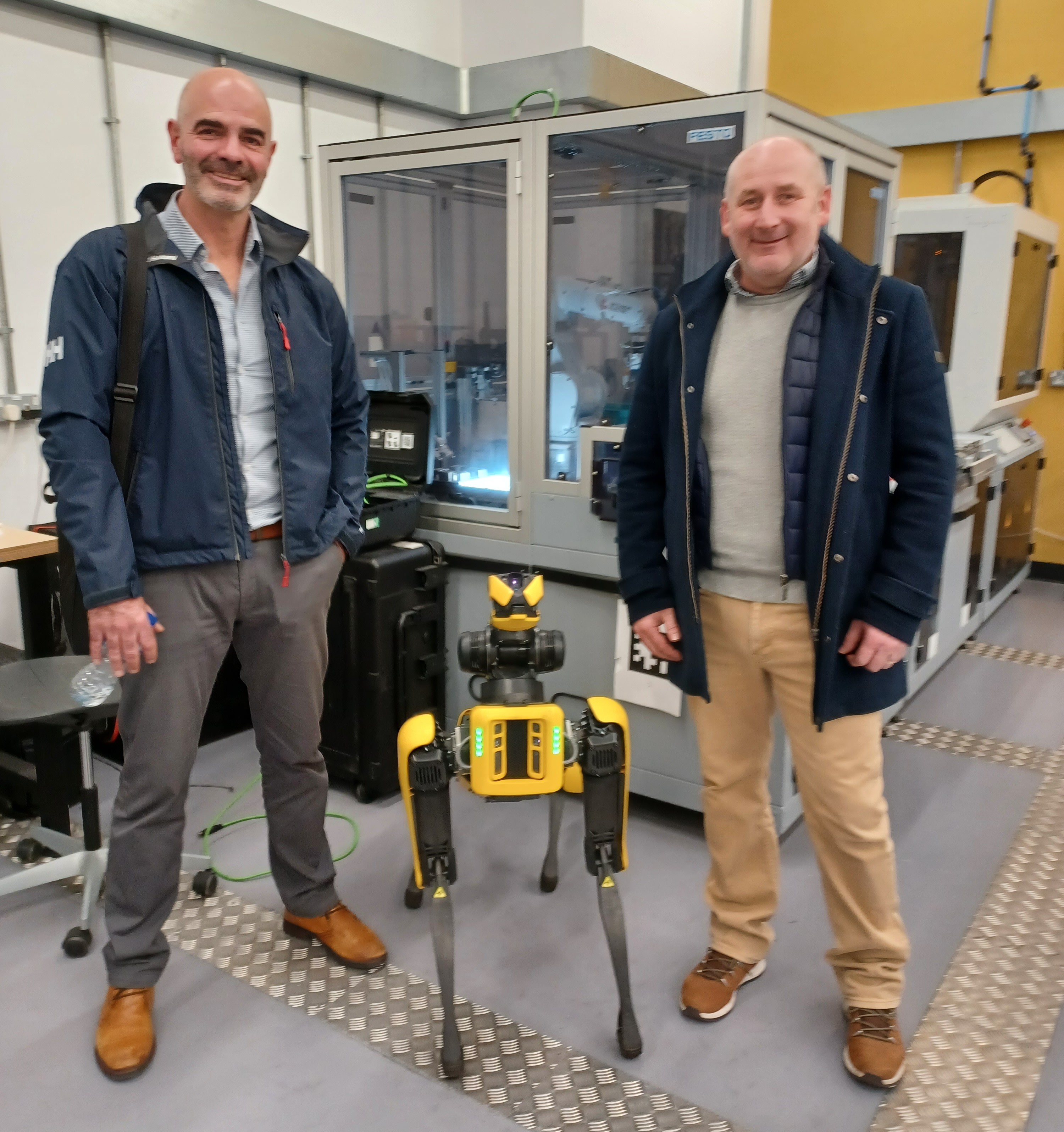
“It was a pleasure to return to the place where it all began for me and give something back. I genuinely enjoyed the preparations, creation and delivery of both the talk and workshop and it was good to see the next generation of industry experts beginning their journey, there is much ahead of them, change is accelerating at a pace like we have never seen…” – David Jones
“Great to be back at the University of Wales Trinity Saint David (UWTSD) today speaking with first year Computing students. As a former student of the university, it’s special to return to the place that set me up for success and share the lessons I’ve learned along the way e.g. stay curious, build your network, and keep evolving/adapting – the technology industry never stands still!” – Geraint Williams
The Academic staff at UWTSD’s School of Applied Computing would like to thank David & Geraint for taking the time to come back to the University and share their invaluable experience, industry knowledge and insights. Diolch yn fawr iawn.
~
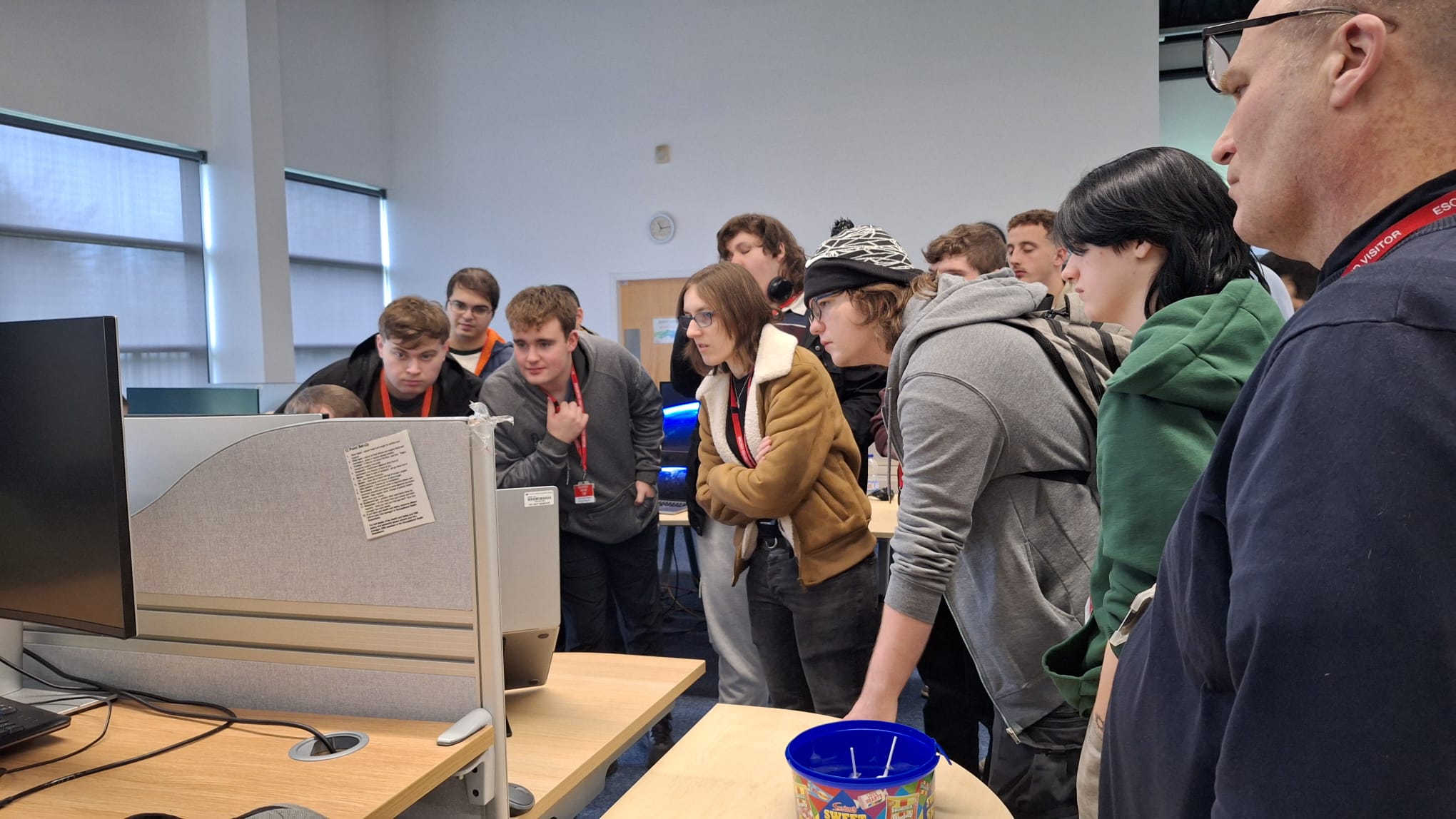
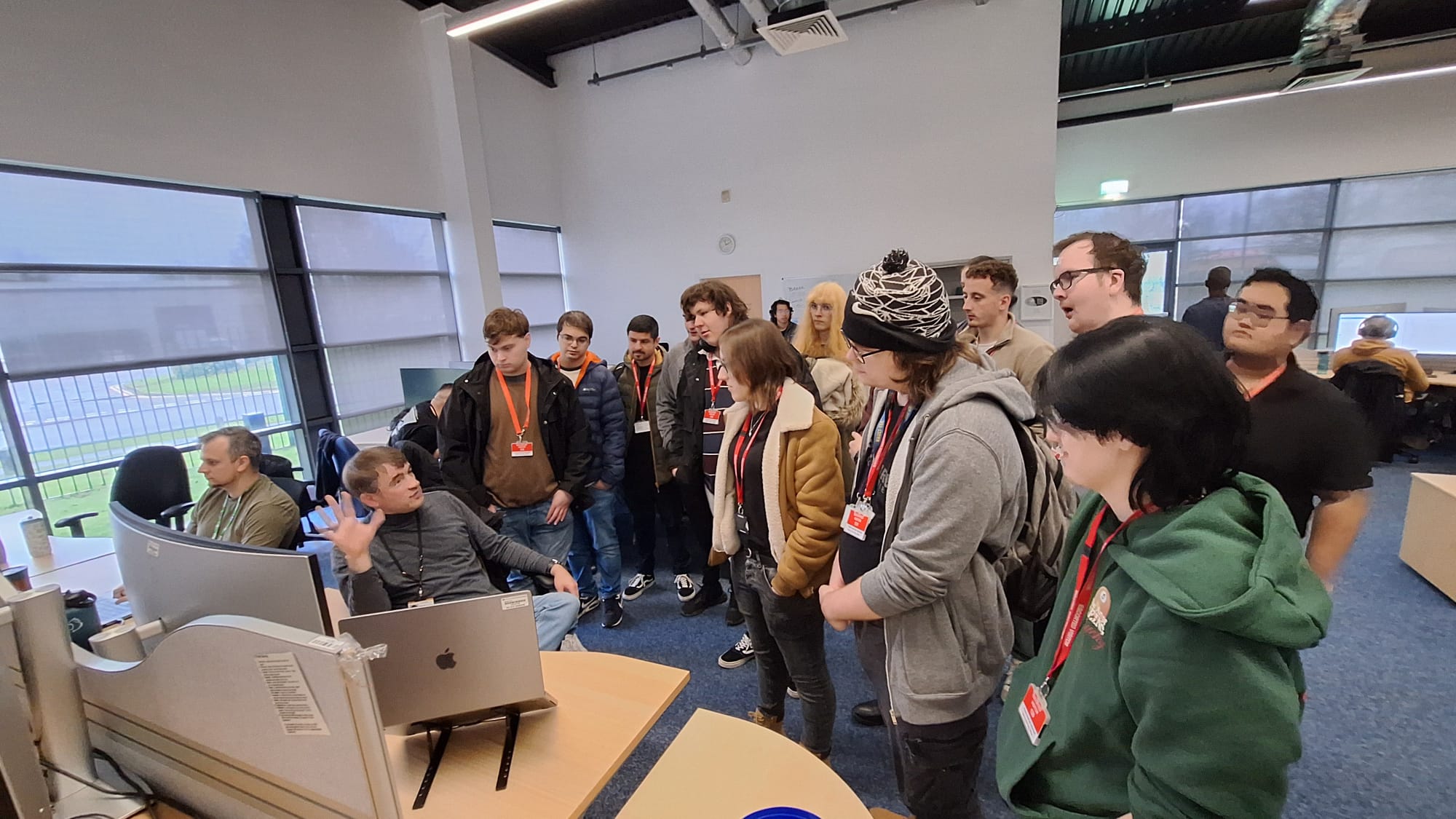
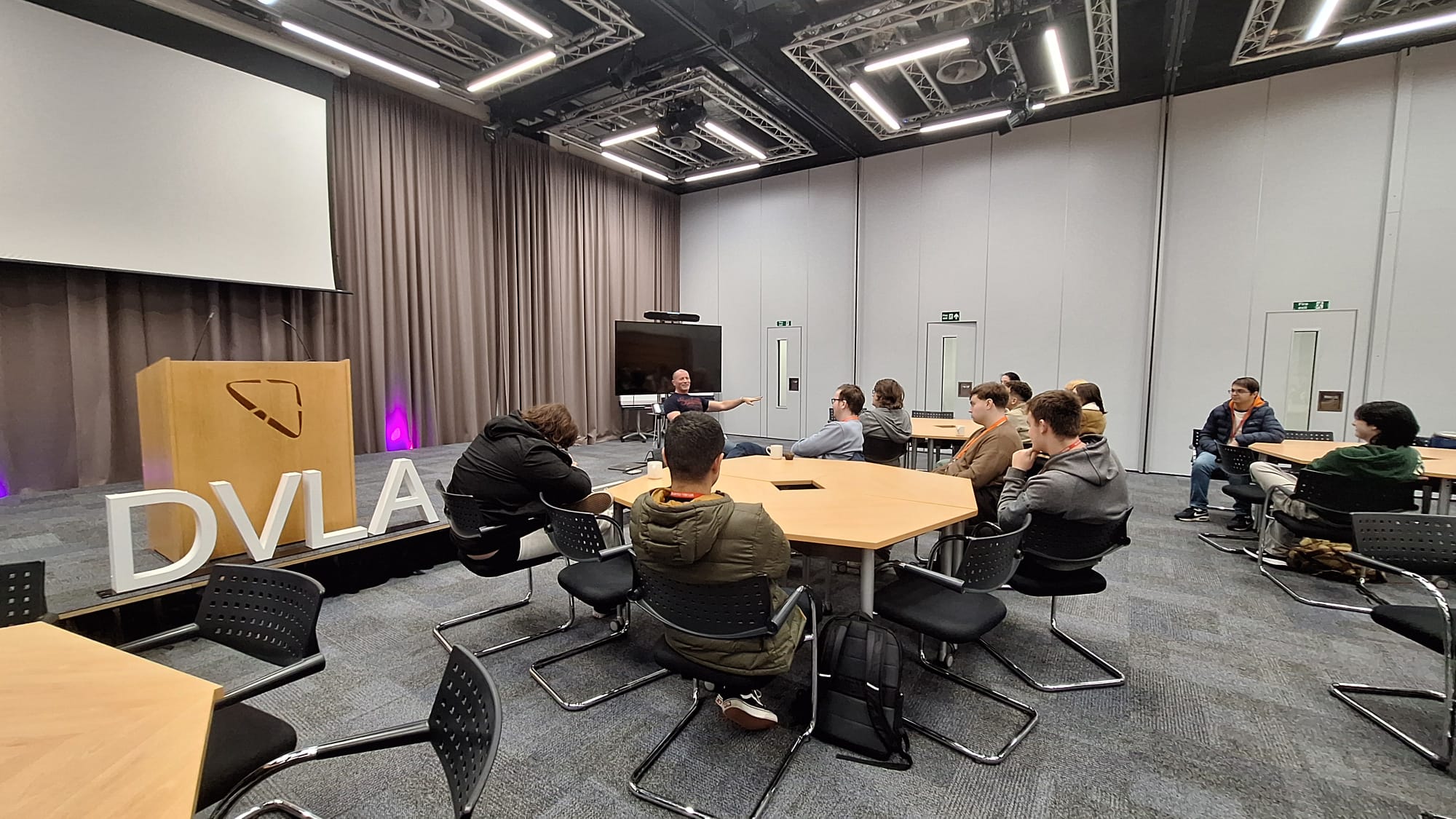
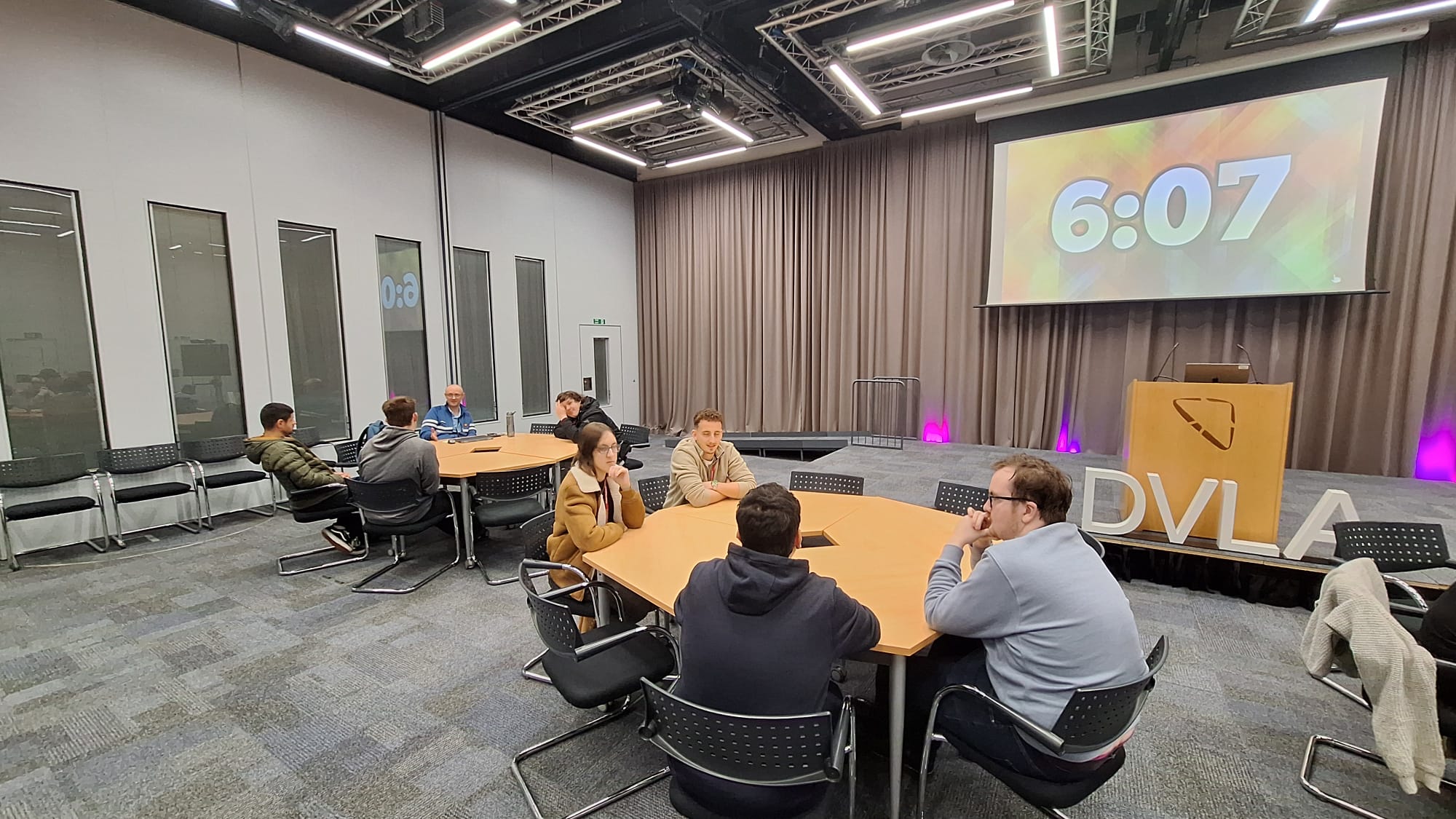
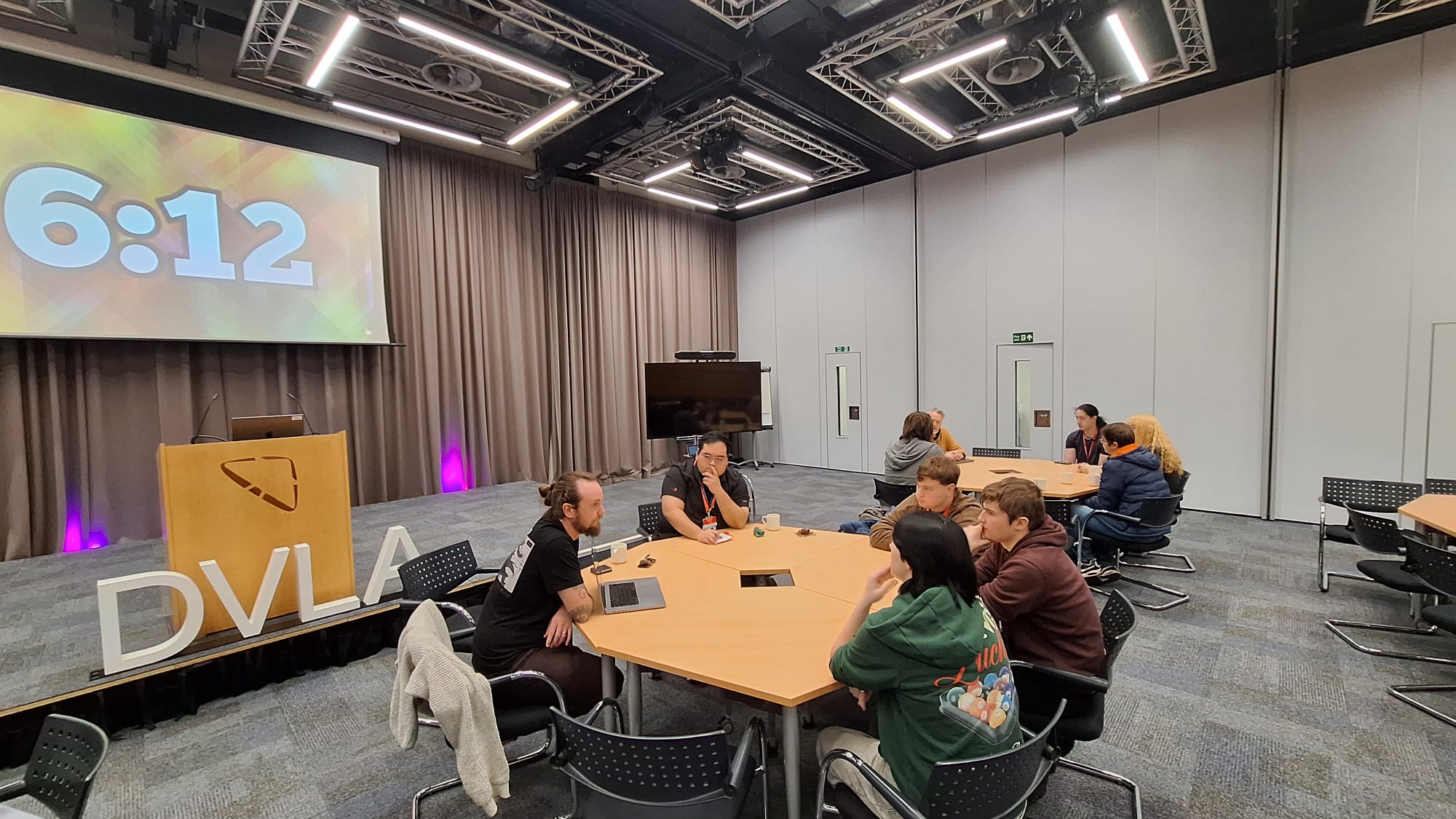
2nd and 3rd year UWTSD Computing students recently visited the DVLA to see what they do in the area of Software Engineering and Cybersecurity.
They were greeted by two lead developers at the DVLA who gave them a tour of the “shop floor” where developers showed them what they were doing in their day-to-day software work and how they react to technology changes. There are over 500 software developers at the DVLA, so they are one of the biggest employers in Wales (and beyond) in this area.
Later students met with developers in smaller groups where they chatted about the work they do at the DVLA and asked them questions.
The DVLA commented that the interest and attitude shown by students was excellent. A great industry visit and a fantastic day of learning and open shared industry practice and collaboration. 


Many thanks to our friends at the DVLA for allowing and facilitating the visit. Diolch yn fawr iawn / Thank You 

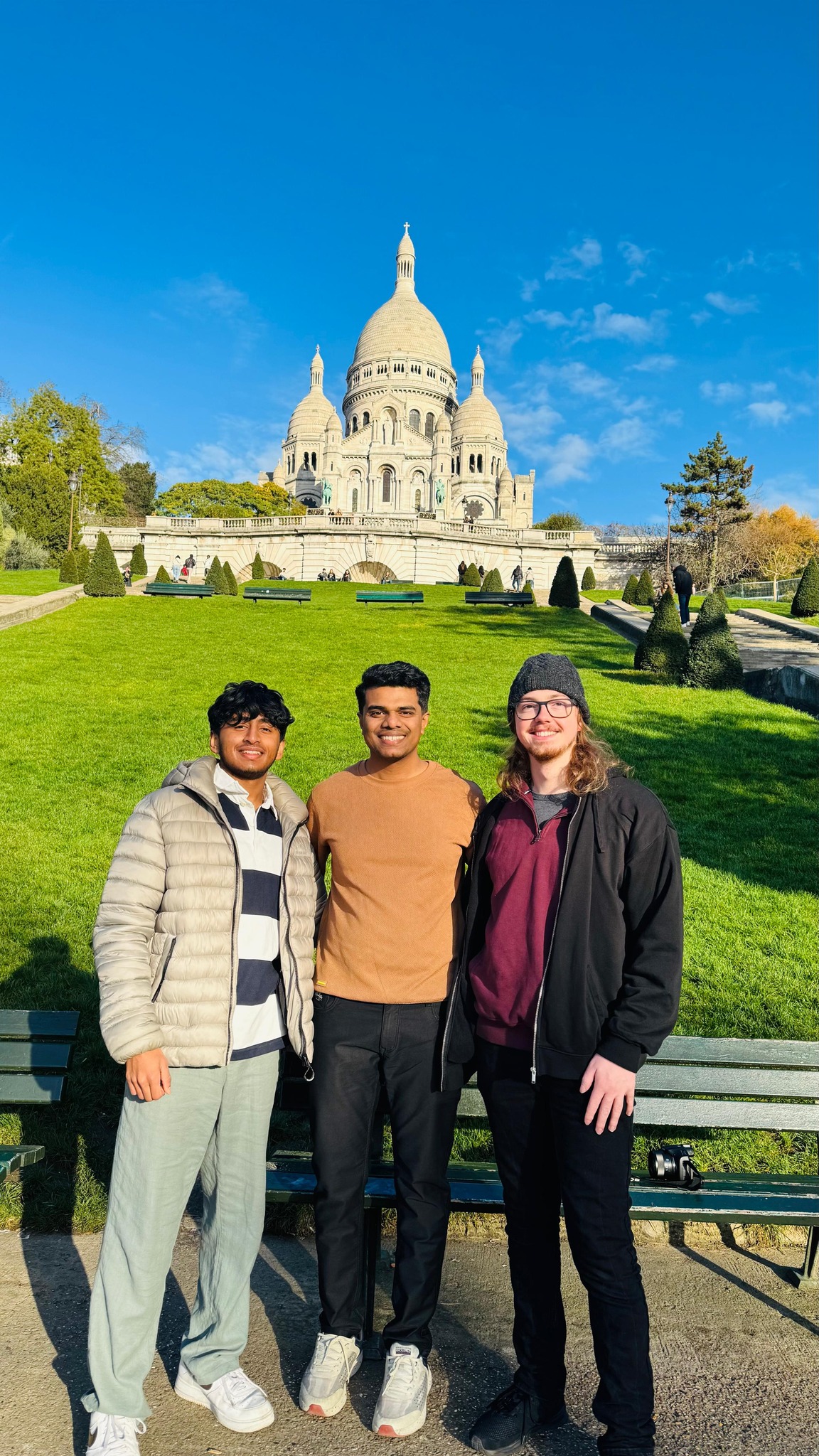
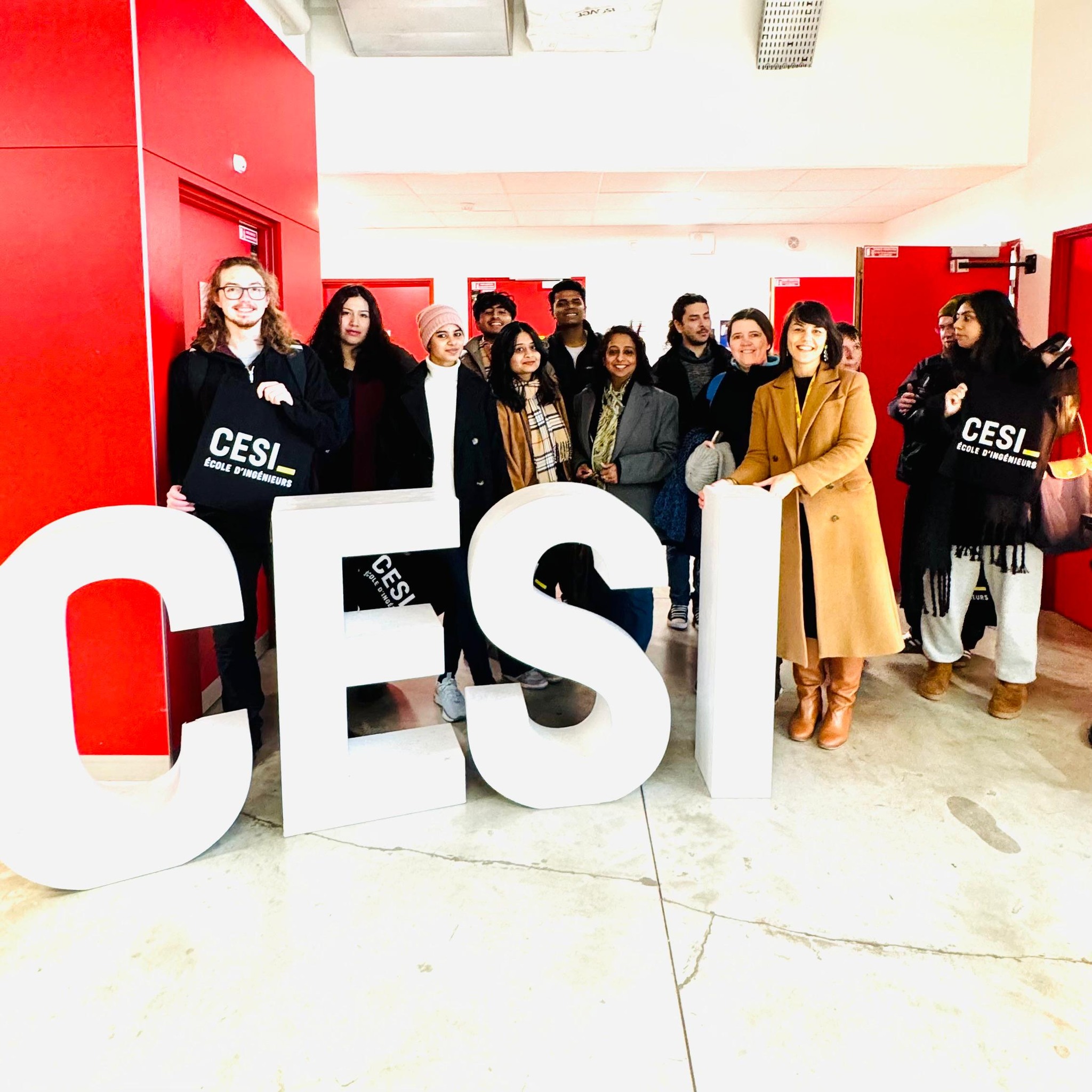
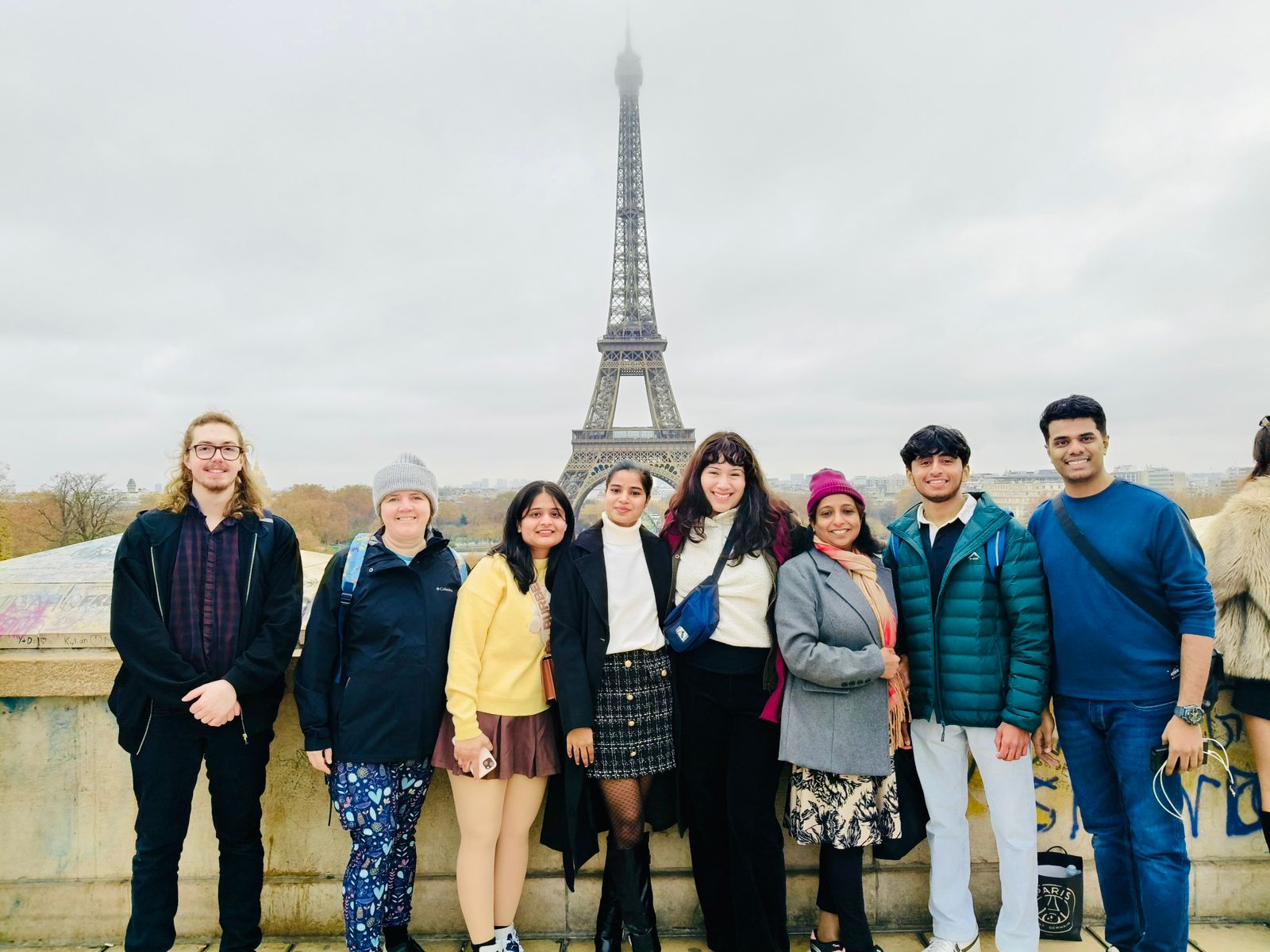
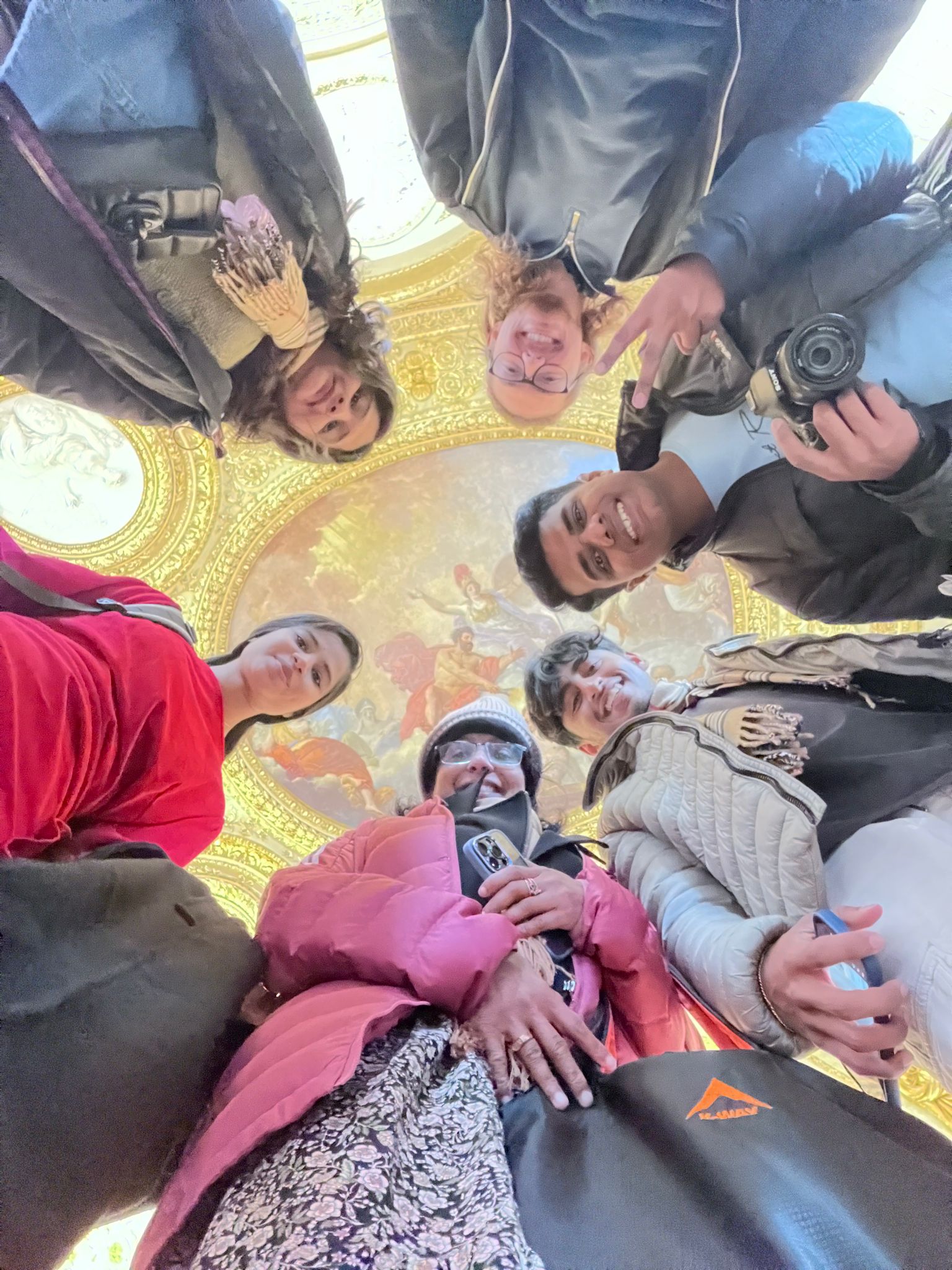
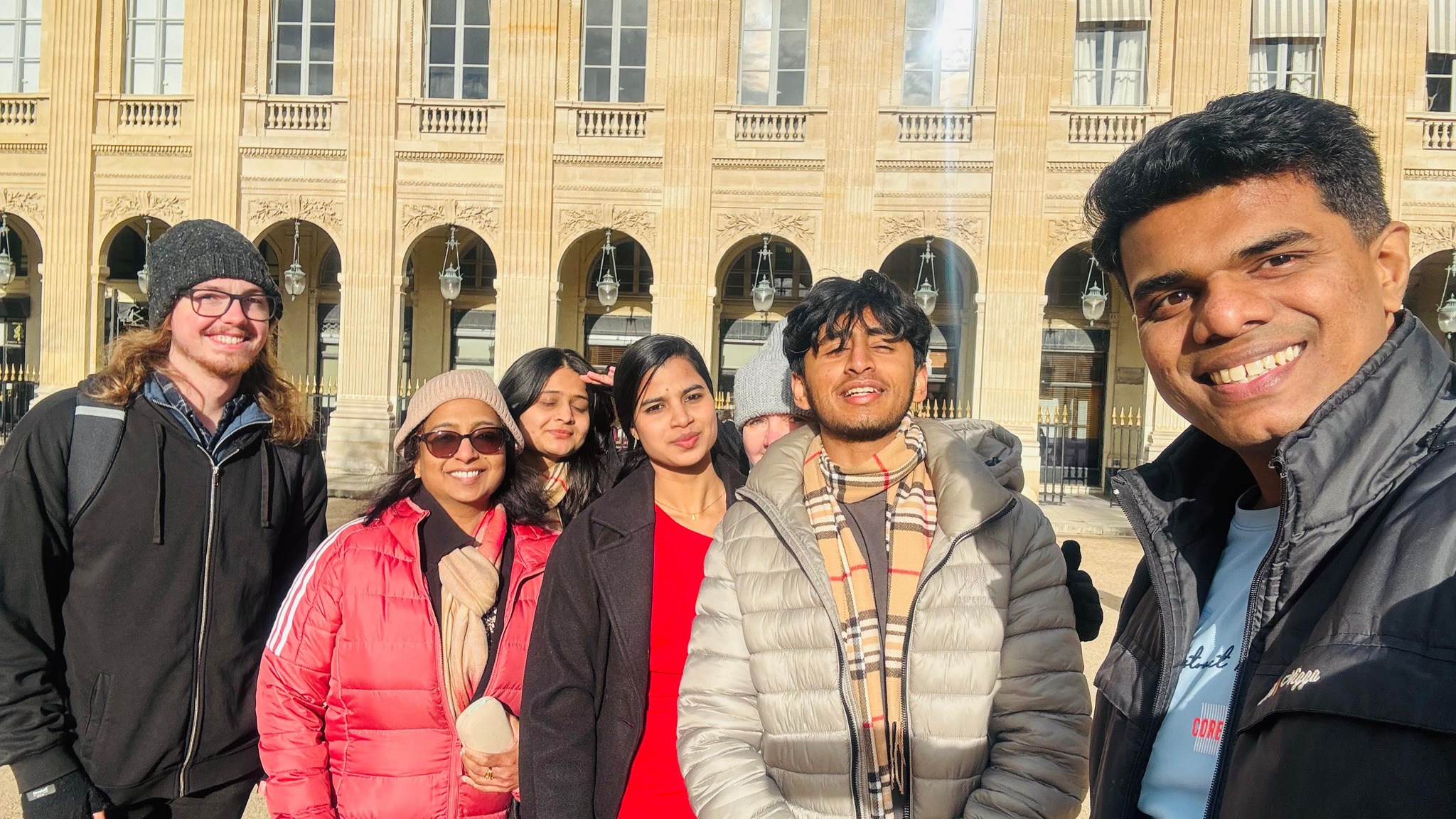
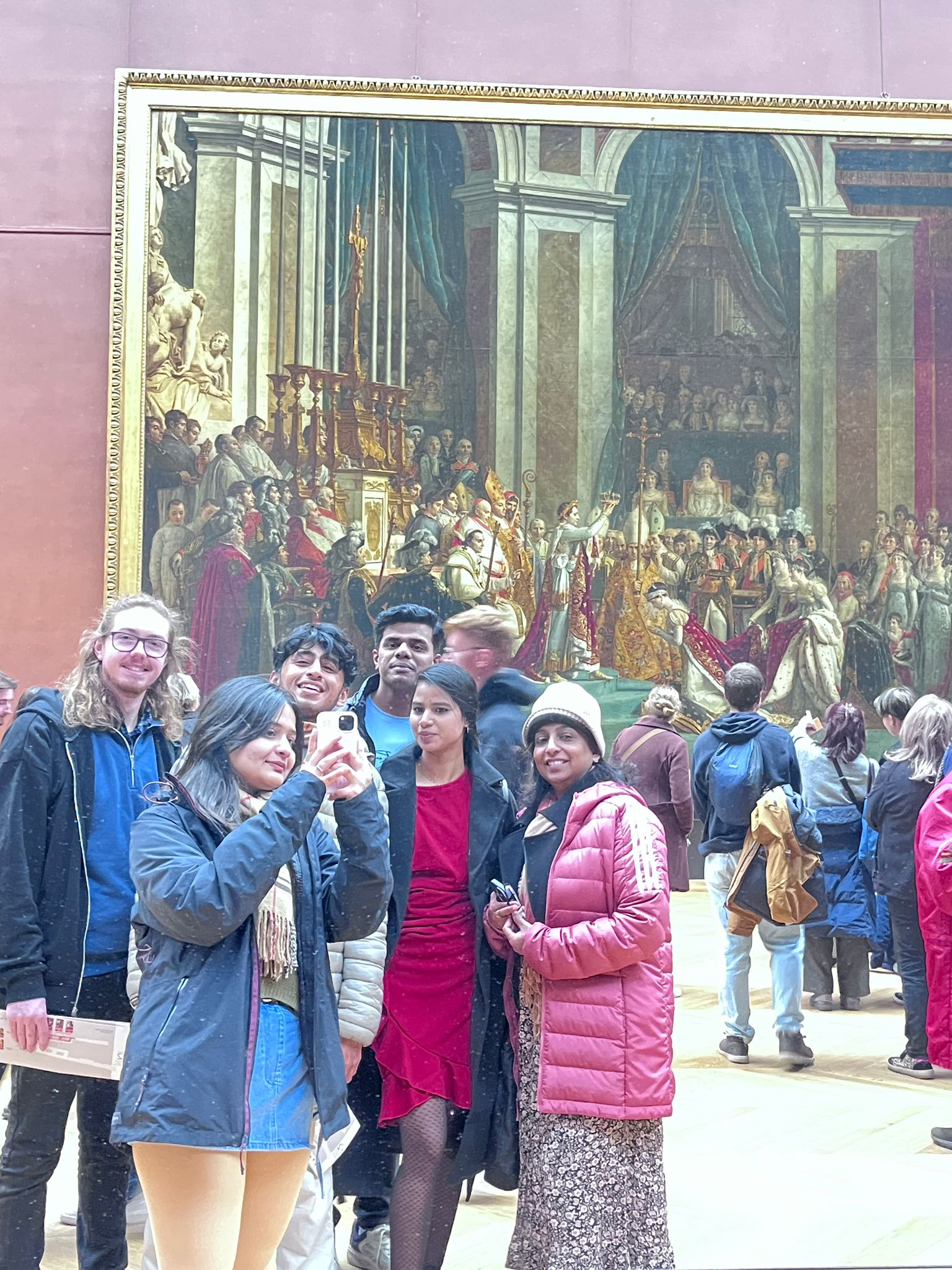
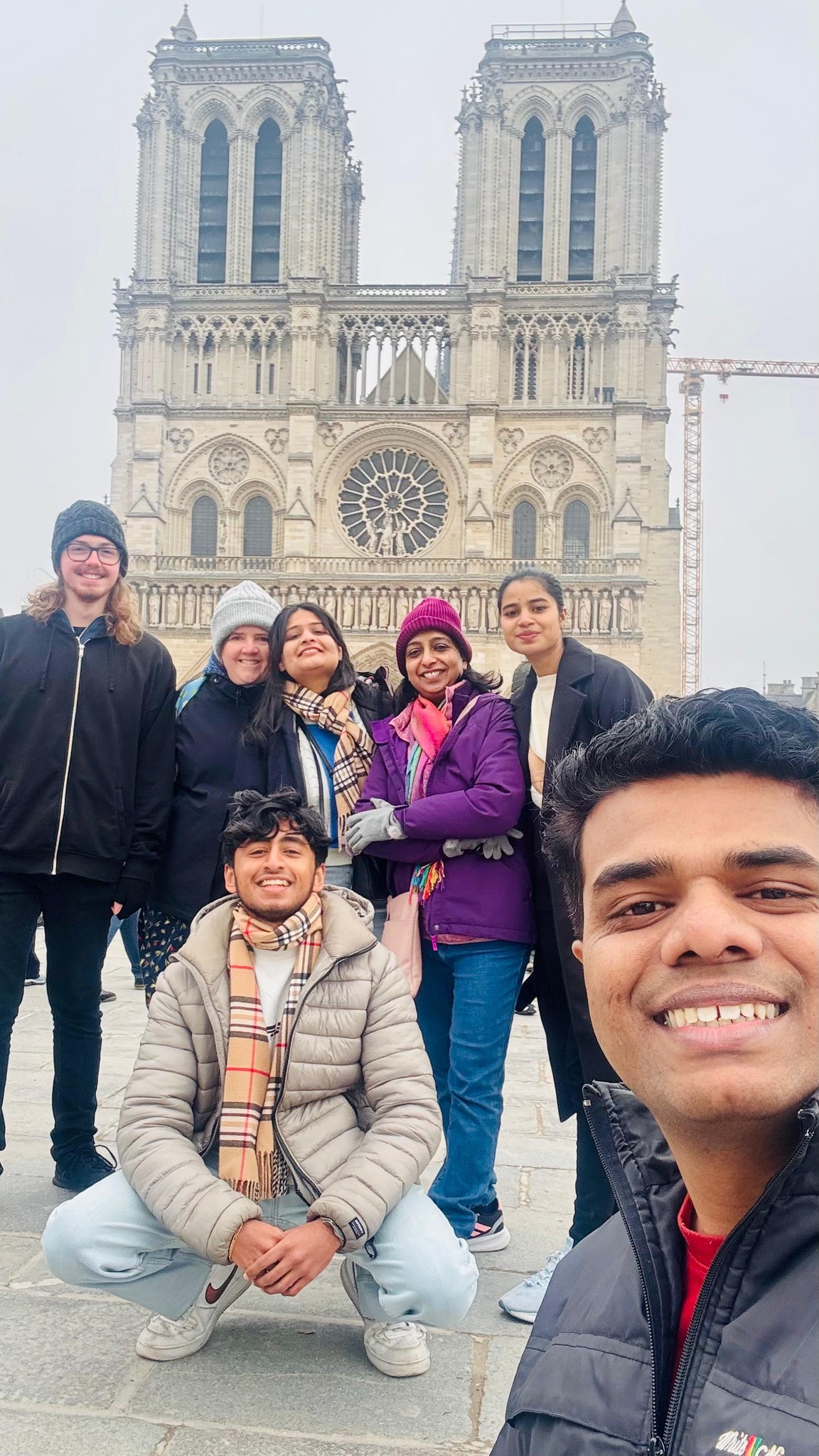
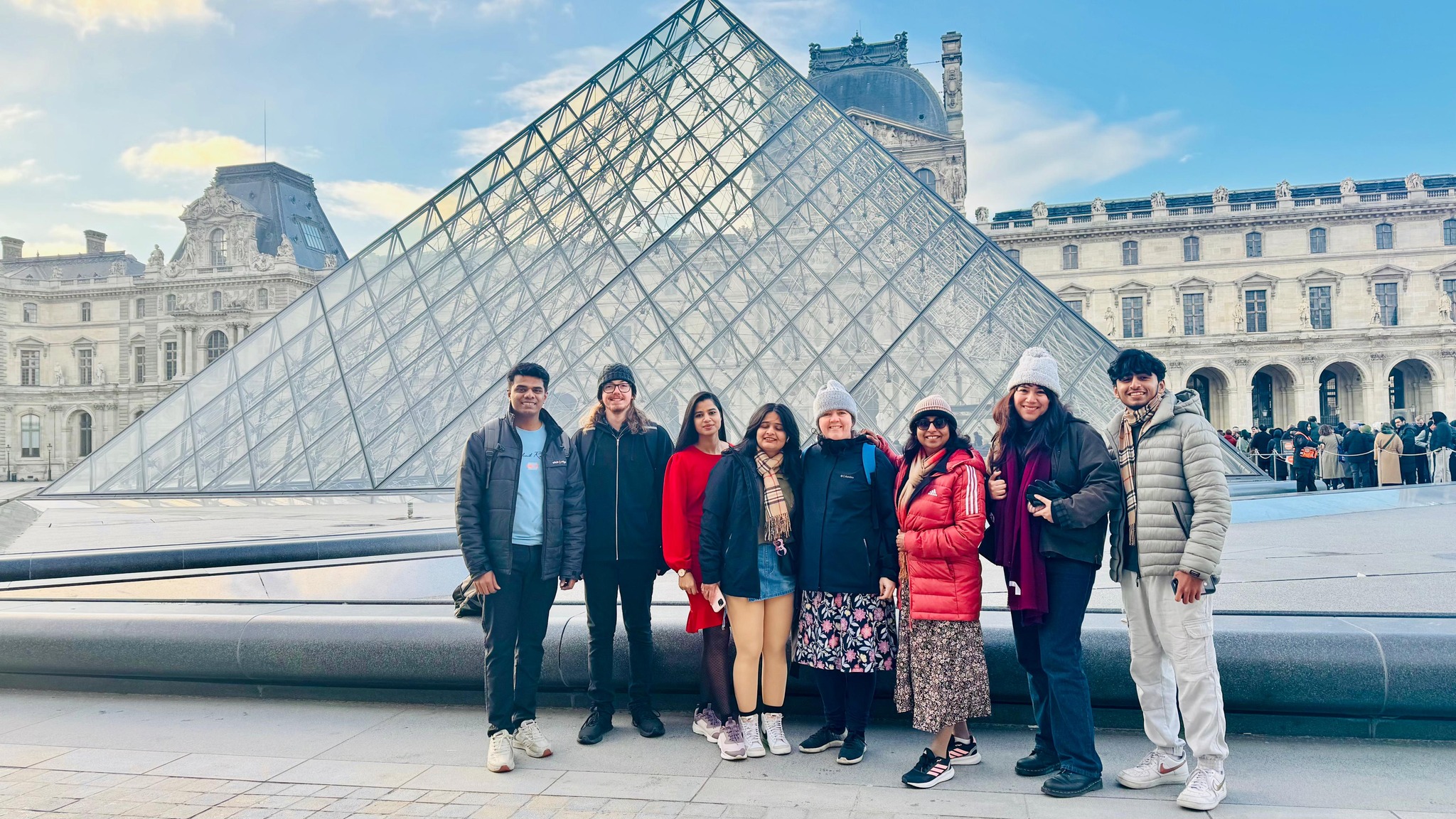
SOAC students recently travelled to Paris in November, along with lecturers Gaynor Thomas and Seena Joseph.
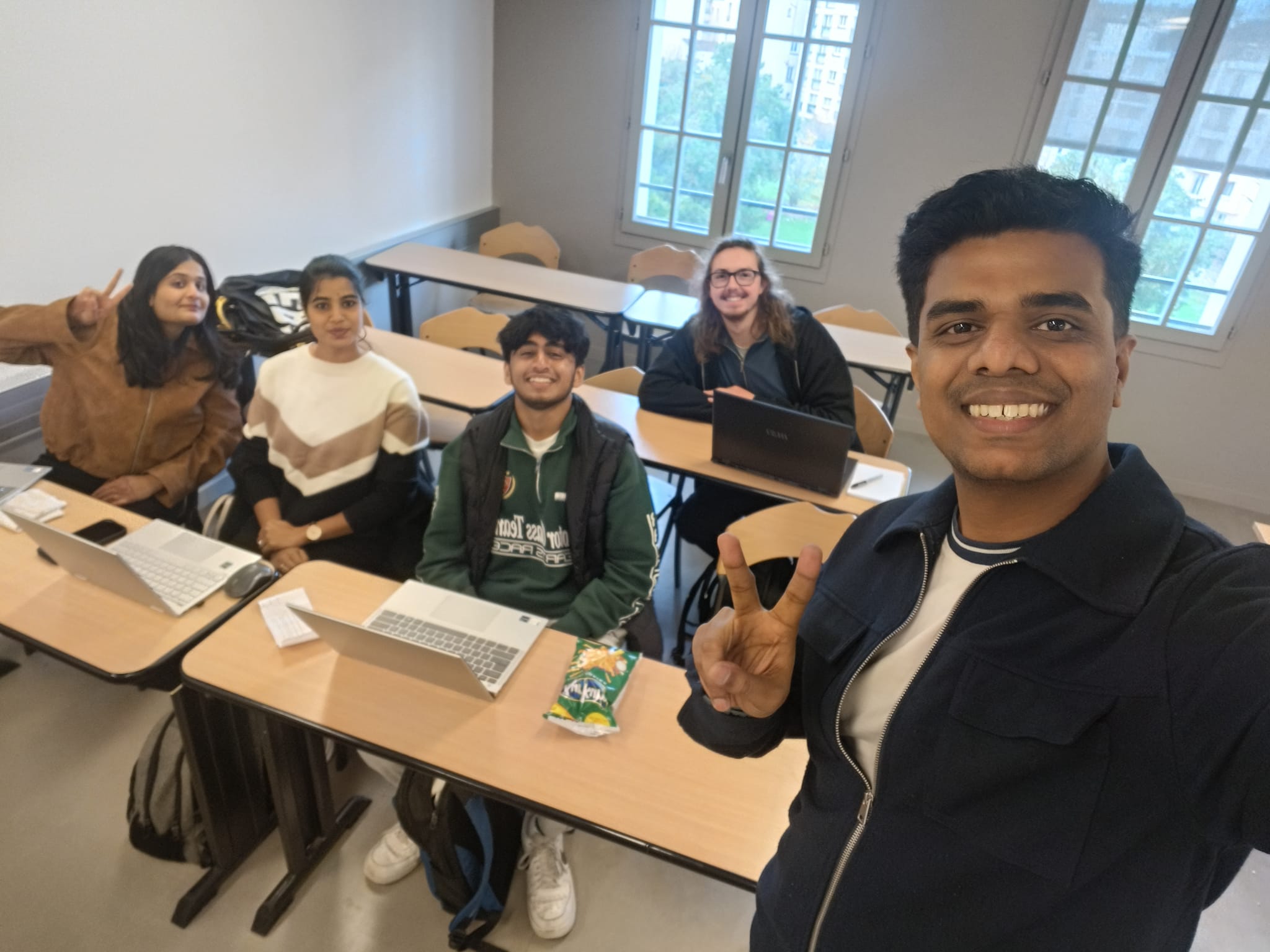
Here are some lovely pictures of our students and staff enjoying their study trip to Paris, where they engaged in academic and social activities at ISEP & CESI Elite Higher education institutions in France. 📚💡🧠🎓🌟
They attended classes at Institute Superieur Electronique de Paris (ISEP) and also at CESI at Nanterre. Students were given a good welcome at both of the universities and it gave them an insight into how Computing is taught in other countries. They also met French students and had a chance to work with them on a student project.
While also enjoying some of the spectacular local heritage sites and social life . There was time for sightseeing at the Eiffel Tower, Arc de Triomphe, Sacre Coeur, Notre Dame, the Louvre and others. There was also time to sample some French food 🥖🥨🥐🗼⚜️
Thanks to TAITH.wales (International learning exchange programme) for funding and supporting the trip. Diolch yn fawr iawn 👏😊


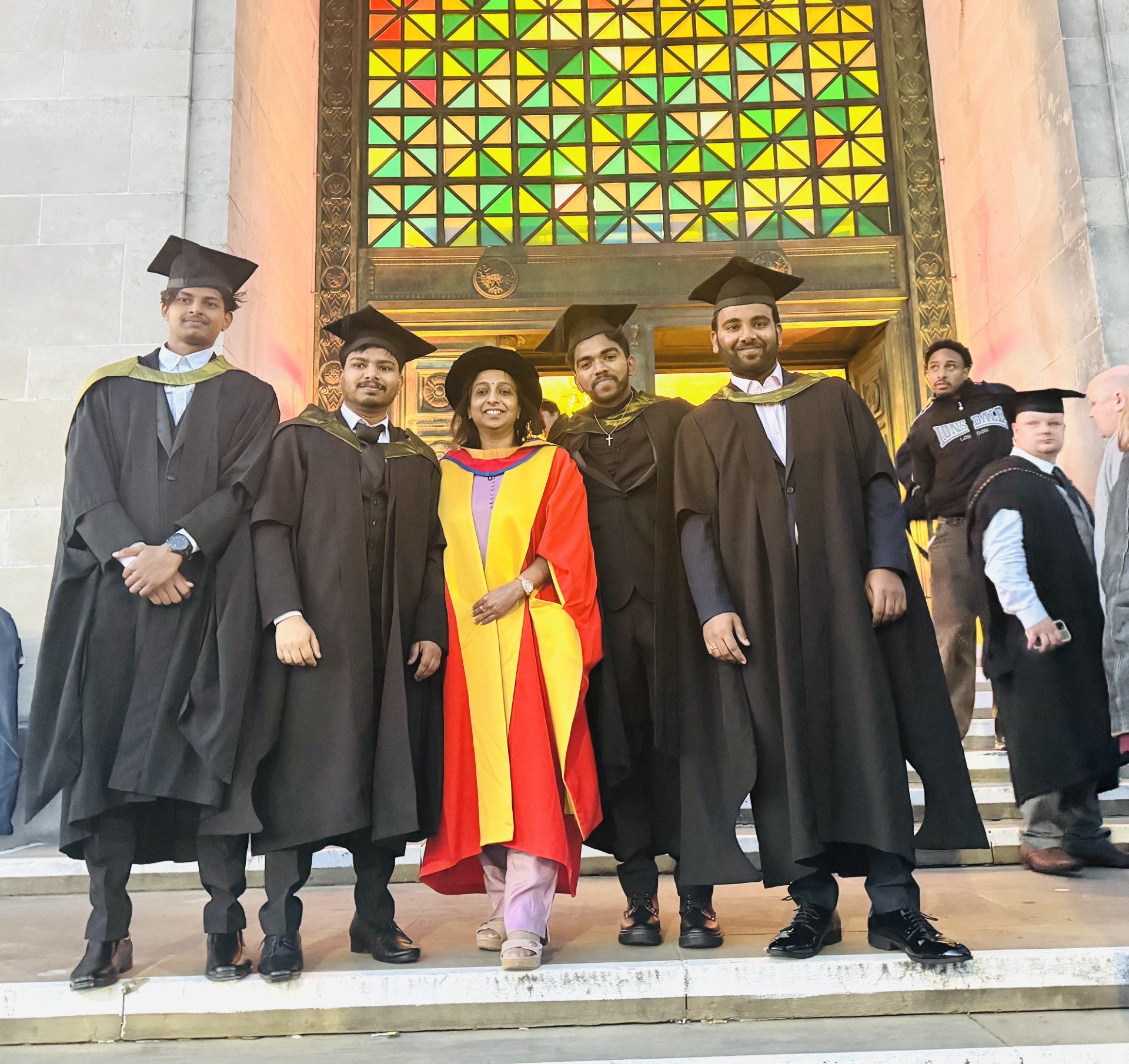
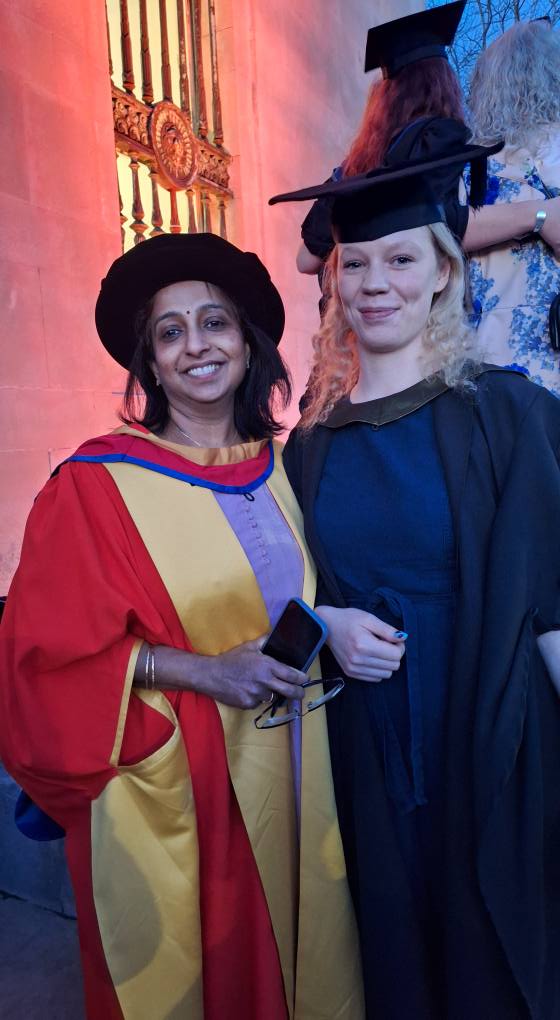
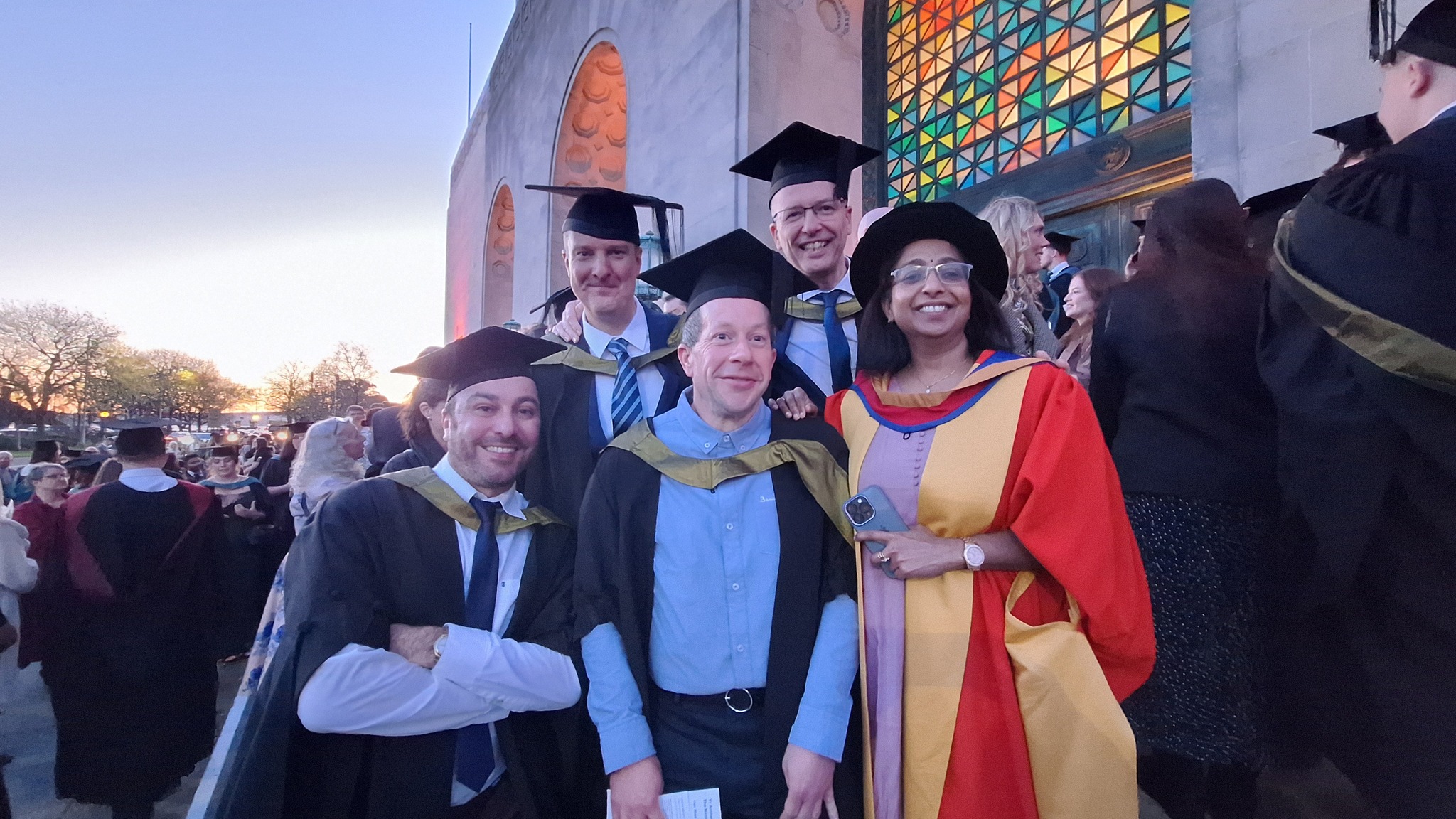
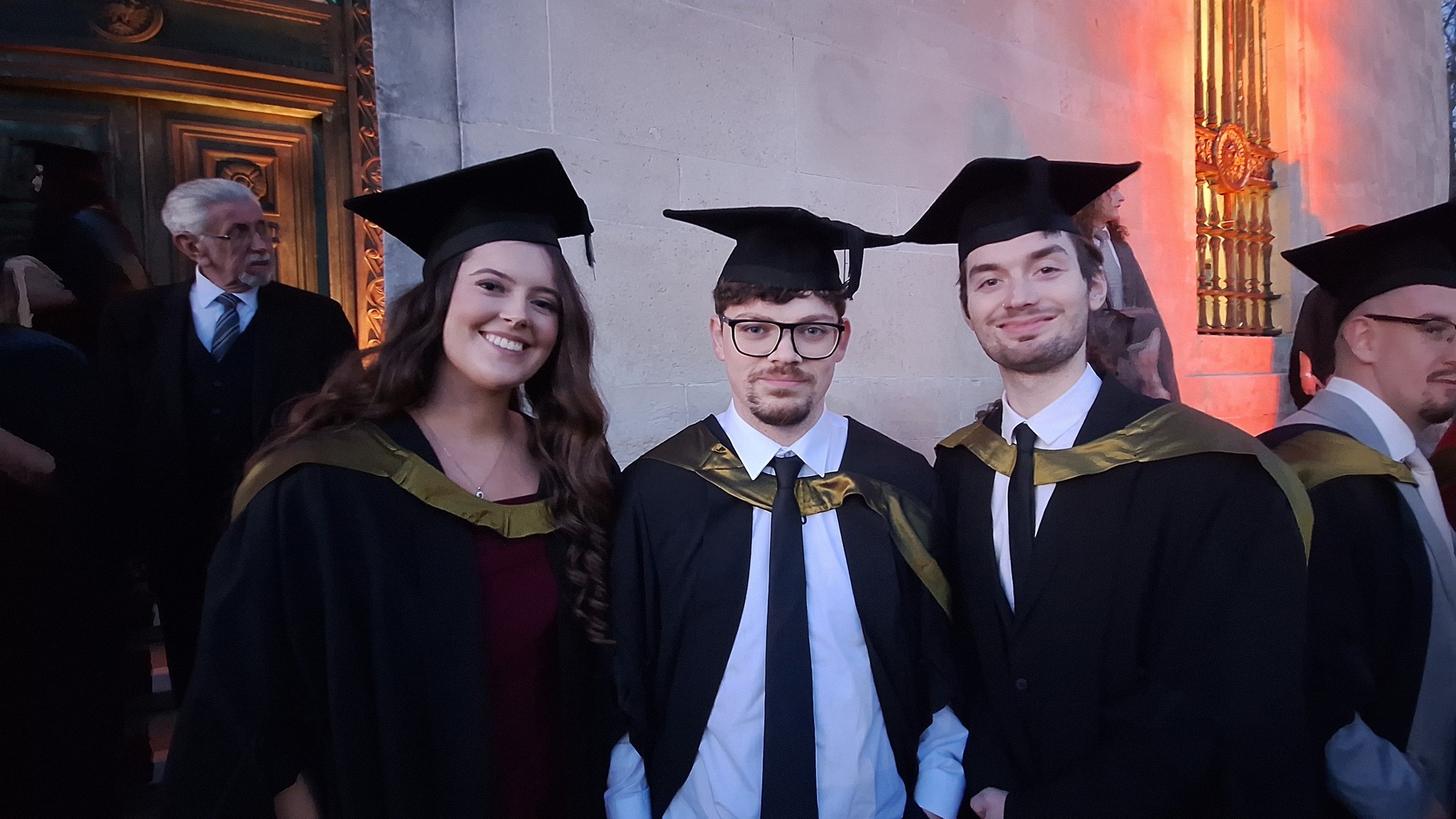
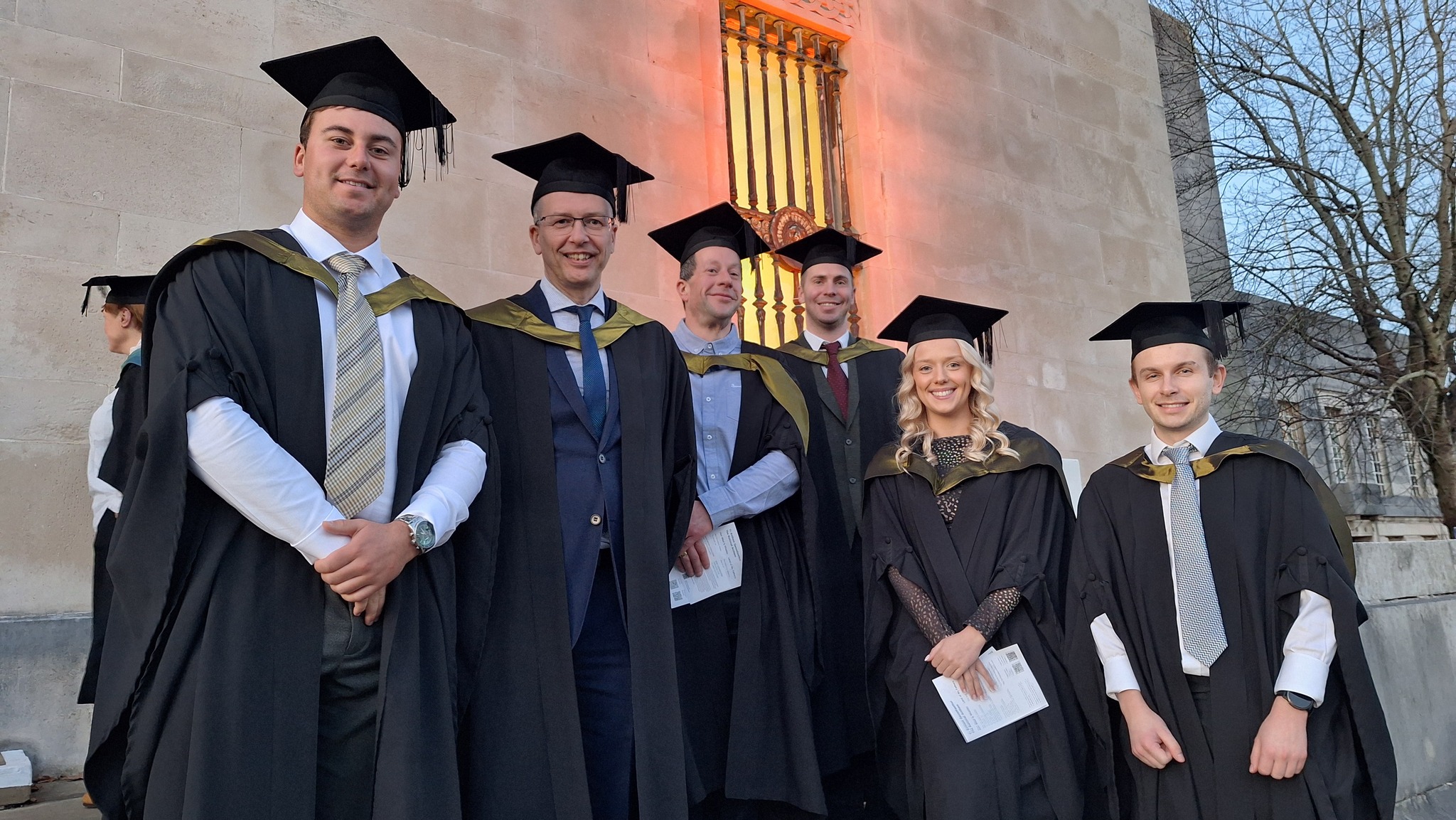
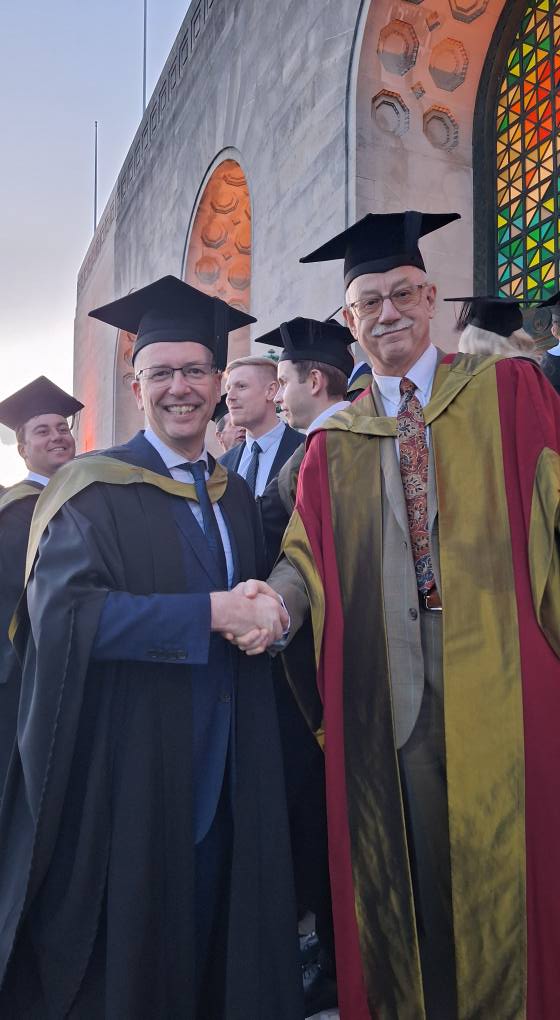
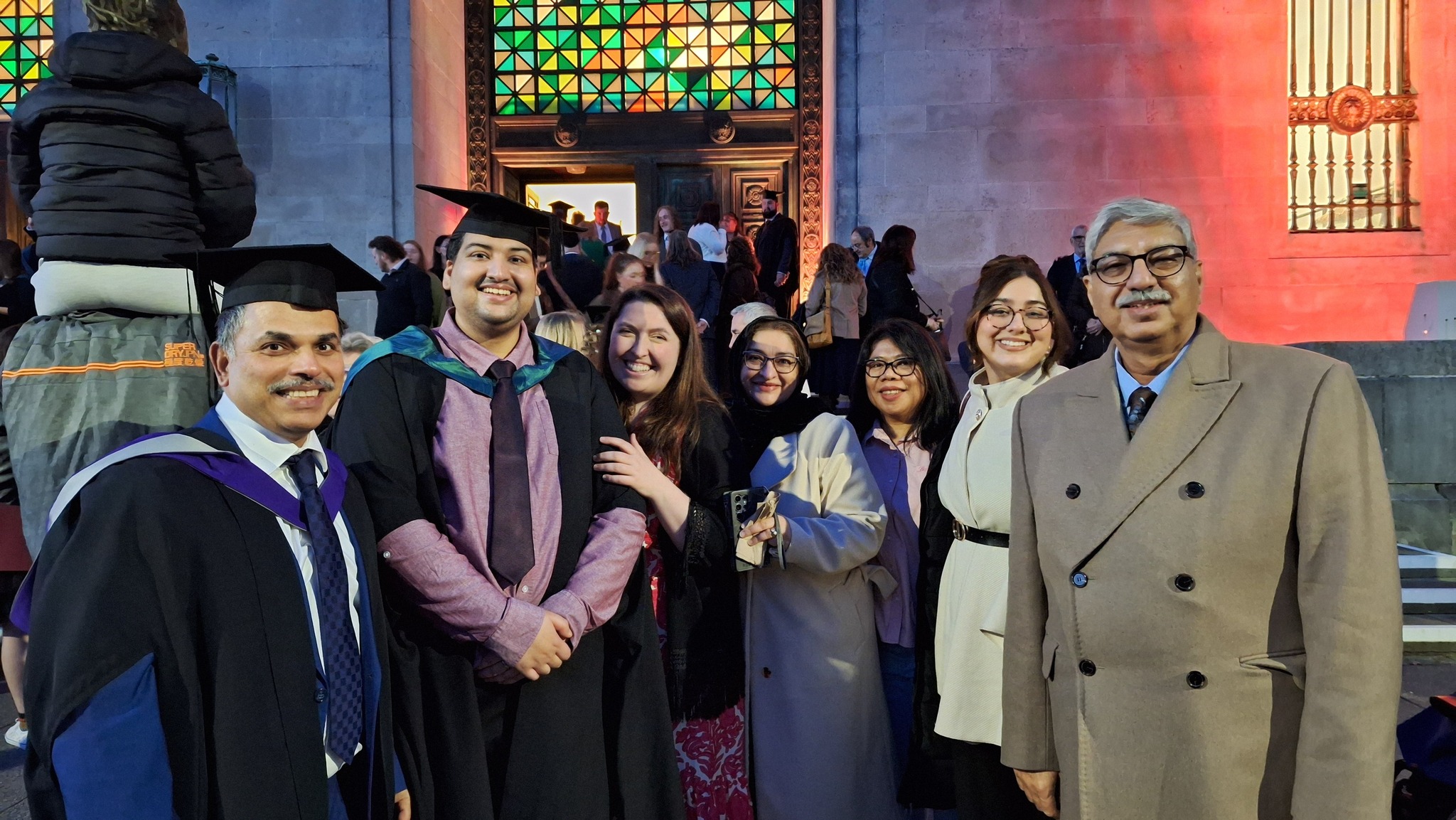
Congratulations to all our Graduating students. A proud moment to celebrate your hard work and achievements. Well done. Wishing you all the best in your next chapter. 🎓🎉🎊🌟
The recent E-Sports Game Day held at the UWTSD IQ Building was a resounding success, drawing enthusiastic participation from students across multiple programmes. The event celebrated the rapidly growing culture of competitive gaming and underscored the university’s commitment to fostering innovation, collaboration, and student engagement.
Throughout the day, students showcased exceptional teamwork, creativity, and sportsmanship as they competed in a series of e-sports tournaments. The atmosphere was vibrant and inclusive, offering students the chance to connect with peers, share their passion for gaming, and explore the professional dimensions of the e-sports industry.
Staff members, including Richard William Morgan gramme Manager, and his team, played a pivotal role in the event’s success. Their dedication ranging from organising and managing equipment to encouraging student participation ensured that the event ran seamlessly and provided an enjoyable experience for all involved.
The E-Sports Game Day not only highlighted the remarkable talent and enthusiasm within the student community but also strengthened the sense of belonging at UWTSD. Events like this reflect the university’s ongoing dedication to supporting student-led initiatives that blend learning, entertainment, and collaboration, further enriching campus life.
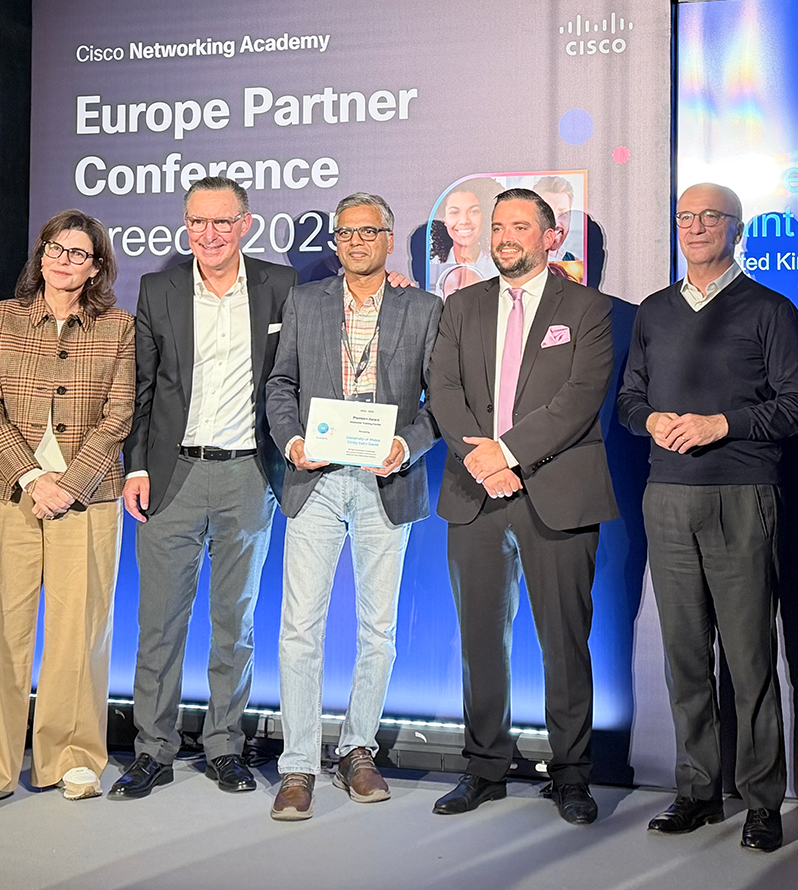
The University of Wales Trinity Saint David (UWTSD) has once again been recognised for its outstanding contribution to digital skills development, receiving the prestigious Premier+ Award at the Cisco Academy Partner Conference held in Thessaloniki, Greece. For more information, please visit: https://uwtsdcomputing.blog/uwtsd-honoured-with-cisco-premier-award/
Welsh/Cymraeg: Mae Prifysgol Cymru Y Drindod Dewi Sant (UWTSD) wedi cael ei chydnabod unwaith eto am ei chyfraniad rhagorol at ddatblygu sgiliau digidol, gan dderbyn Gwobr Premier+ fawreddog yng Nghynhadledd Partner Academi Cisco a gynhaliwyd yn Thessaloniki, Gwlad Groeg. Am ragor o wybodaeth, ewch i: https://uwtsdcomputing.blog/anrhydeddwyd-uwtsd-gyda-gwobr-cisco-premier/
~
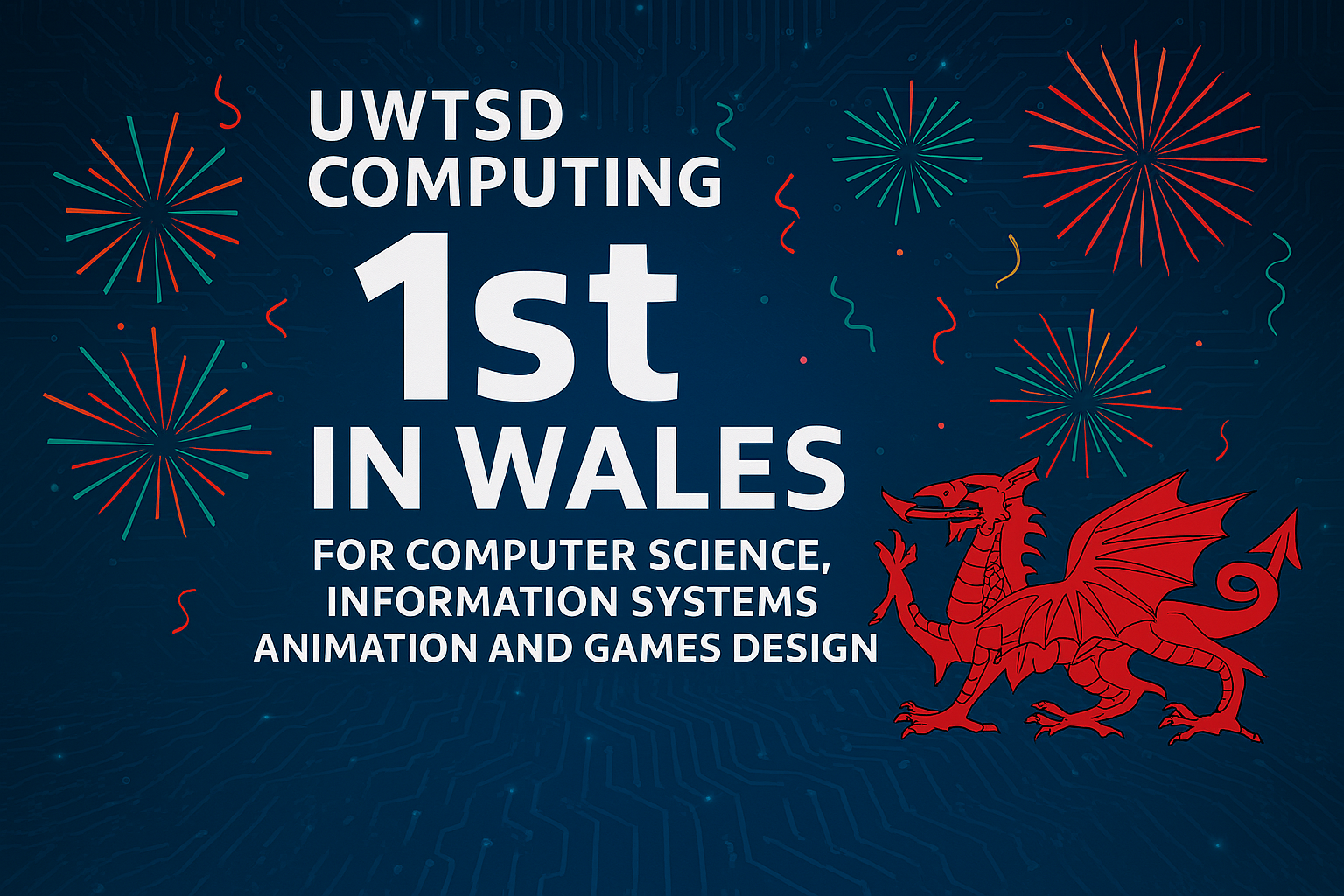
We’re thrilled to announce that in the Guardian University Guide 2026, our courses have ranked 1st in Wales & 9th in the UK for Animation & Games Design and 1st in Wales & 11th in the UK for Computer Science and Information Systems. 🎉🎊
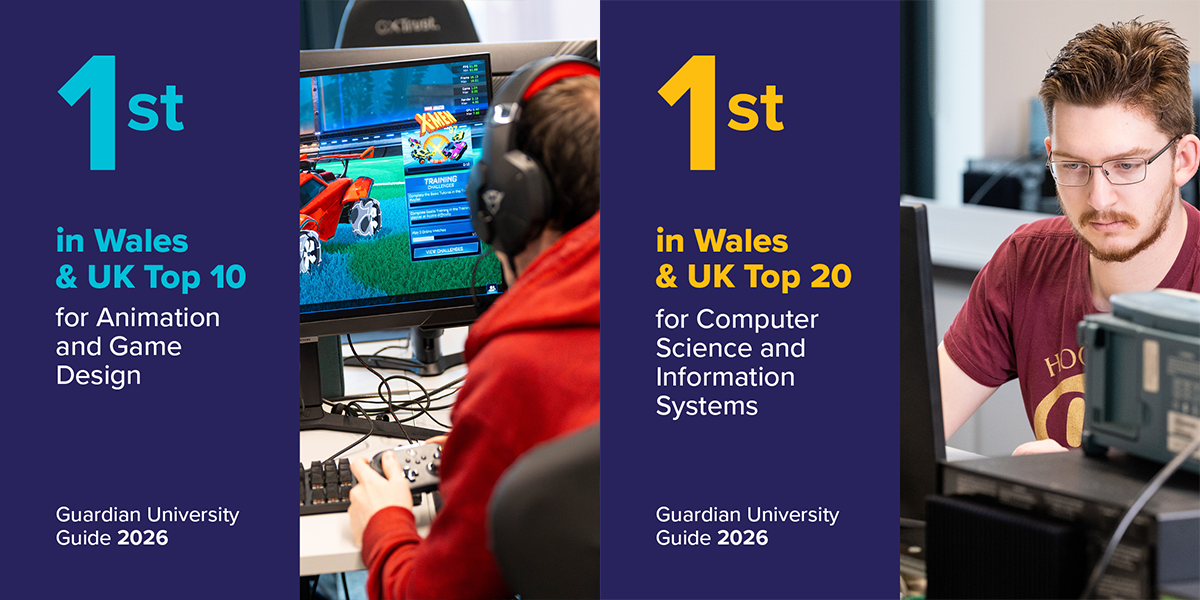
This achievement reflects our dedication to delivering hands-on, real-world industry relevant learning experiences, with exceptional student support. Our highly qualified, industry-experienced staff work hard to ensure students are prepared for a successful future with the practical knowledge & employability skills they need to excel.
A huge thank you to our students, staff, and supportive community for making this recognition possible. 🙏👍
For information about our courses, please click-here.
The University of Wales Trinity Saint David (UWTSD) hosted a pioneering workshop, titled ‘Soft Exoskeleton Robots and Digital Healthcare,’ bringing together experts from across disciplines to explore the future of rehabilitation technologies.
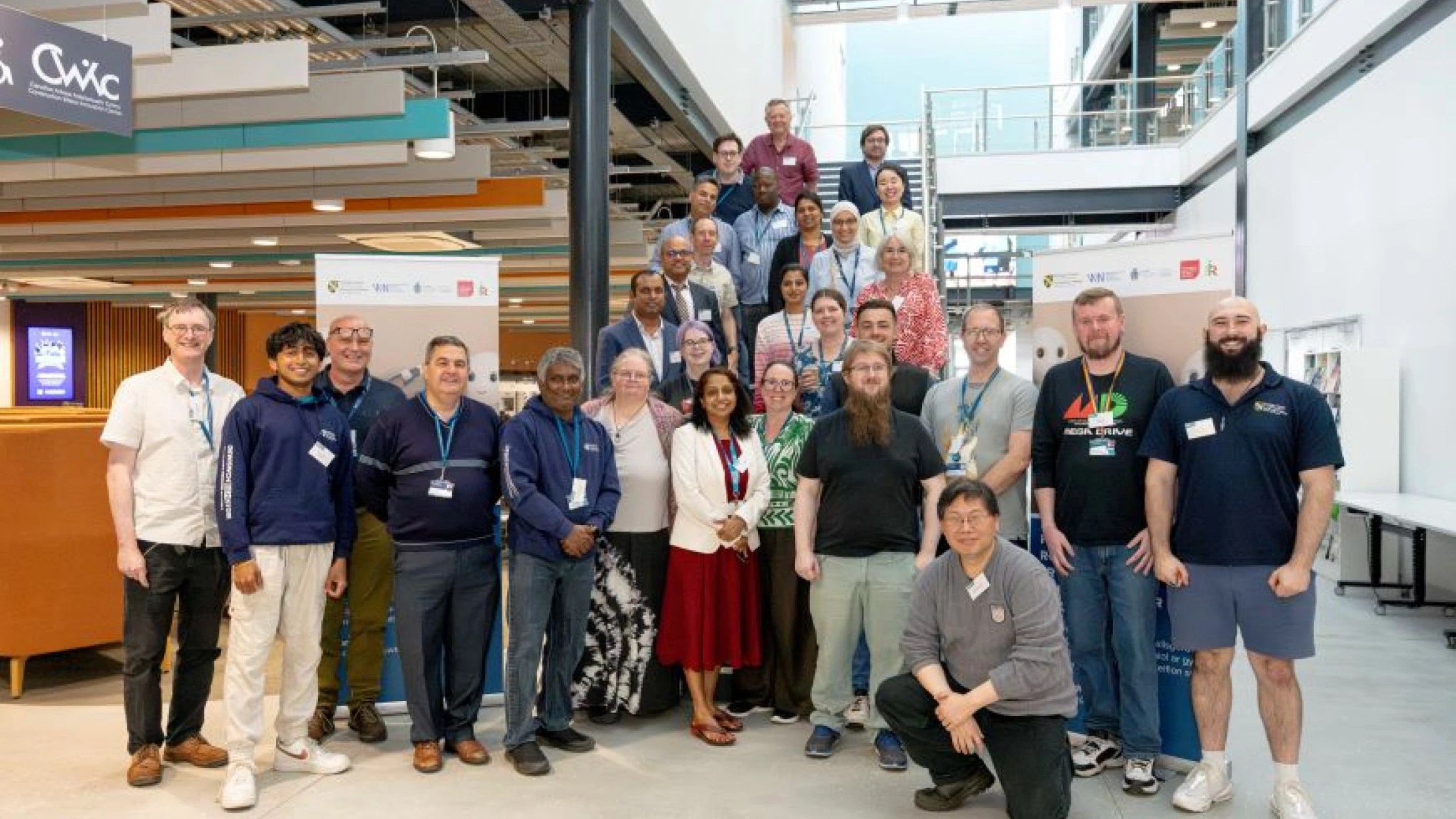
Held at the University’s IQ Building at its SA1 Swansea Waterfront campus, the event marked a significant moment in cross-sector collaboration aimed at co-designing innovative, patient-focused solutions.
Led by Dr Seena Joseph and Dr Tim Bashford from UWTSD, the workshop was part of the Soft Exoskeleton Robotics Project, a collaborative effort funded by the Wales Innovation Network (WIN). The project brings together partners from Cardiff Met ( Dr Wai Keung Fu), University of South Wales (Dr Leshan Uggalla) and Institute of Robotics, Bulgaria (Dr Tony Punnoose), all working together to advance rehabilitation technologies.
The full-day workshop convened leaders from robotics and engineering, healthcare and clinical practice, academia, and industry, sparking multidisciplinary dialogue on the development and real-world application of soft exoskeleton robots for rehabilitation. Attendees included academics, researchers, clinicians, innovators, and policy influencers, all united by a common goal: to shape more effective, accessible, and human-centred healthcare technologies.
Dr Kapilan Radhakrishan, UWTSD’s Academic Director (Applied Computing), delivered the welcome address and provided an overview of the project. He described the workshop as a valuable platform to introduce the project and set the stage of exploring new research ideas and to ignite meaningful collaborations with experts across disciplines in soft robotic and digital health.
Dr Mark Cocks, Dean of the University’s Wales Institute of Science and Art who opened the event said: “Collaboration is the buzzword, and it is more important than ever. In today’s complex and fast-changing landscape, working together across disciplines and sectors is essential to drive innovation and achieve meaningful outcomes. This workshop perfectly exemplifies how bringing experts from academic, industry and healthcare together can spark new ideas. We are proud to host such an impactful and forward-thinking event.”
Highlights included:
The workshop featured a series of compelling talks and a live demonstration of the prototype of soft exoskeleton robot for stroke rehabilitation developed by Dr Tony Punnoose (Institute of Robotics, Bulgaria), one of the team members.
Dr Fatma Layas and Dr Yajie Zhang (ATiC) presenting human-centred product evaluation approaches in healthcare.
“A Digital Healthcare Overview” was presented by Dr. Tim Bashford, one of the workshop organisers. His presentation provided a broad perspective on the evolving role of digital technologies in healthcare, setting the scene for the day’s discussions and highlighting opportunities for innovation and collaboration.
Dr Wai Keung Fung (Cardiff Metropolitan University) one of the co-organisers outlining core design principles of Soft Exoskeletons
Dr Gokul Kandaswamy (NHS Wales) delivered an exciting talk on how robotic technologies are transforming patient care, sparking meaningful discussions, and inspiring ideas for future collaborations
Dr Udayanga Galappaththi an industry partner from Far UK Ltd exploring the integration of sustainable materials in robotic hand exoskeletons.
Dr Seena Joseph delivered an presentation on “Recent Trends in Soft Robotic Exoskeletons: Insights from a Systematic Literature Review,” offering a comprehensive overview of global research developments, emerging technologies, and future directions in the field.
Additional highlights included the presentation from several experts: Prof Eggbeer, Dominic from Cardiff Met discussed the impact of lead users and 3D printing on advancing adaptive sports technology, while Dr Rajan Prasad, from Khalifa University, Abu Dhabi shared innovative simulation-based designs for cable-driven exoskeletons aiding post stroke gait recovery.
A live prototype demonstration by Dr Tony Punnoose (Institute of Robotics, Bulgaria), showcasing a bilateral soft exoskeleton robot for stroke rehabilitation. He underscored the importance of shifting research efforts toward developing small-scale, user-friendly parallel robotic systems that patients can take home, enabling more consistent, accessible, and effective rehabilitation beyond the clinical setting.
The event culminated in an energetic panel discussion, moderated by Dr Fung, with panellists diving into practical applications, ethical considerations, and future research directions for soft robotic solutions in health contexts. Looking back on the event, he said:
“Moderating the panel discussion reminded me that the future of rehabilitation isn’t just about smarter machines, it’s about deeper collaboration between engineers, clinicians, and users to co-create technologies that truly empower.”
The event also included a productive networking session, facilitated by Dr Leshan Uggalla (University of South Wales) from the project team. This session gave attendees a valuable opportunity to connect, exchange ideas, and foster potential collaborations in a relaxed and engaging environment.
The workshop not only reinforced UWTSD’s commitment to fostering interdisciplinary research and real-world innovation but also underscored its ambition to serve as a hub for cutting-edge dialogue that shapes the future of care and rehabilitation.
Adapted from original post & source here: https://www.uwtsd.ac.uk/news/uwtsd-hosts-workshop-soft-exoskeleton-robots-and-digital-healthcare
Name: Hamza Qasim
What University course are you doing? MA Masters in Animation at UWTSD.
This follows my completion of a BA in Computer Games Design at UWTSD, where I spent 3 fulfilling years building my foundation in digital arts and game development.
What truly inspires me about animation and the broader field of digital arts is the unlimited creative potential it offers. I have a genuine passion for games, animation, VFX, and CGI, particularly the captivating effects seen in Marvel movies. The ability to bring ideas to life through digital mediums and create immersive experiences that can transport viewers into different worlds is incredibly motivating.
Video below: BA Game Design animation by Hamza Qasim
Beyond the creative aspects, I’m inspired by how this field connects to my other interests, especially automotive design. The intersection of technical precision and artistic vision in CGI, particularly in automotive visualisation, represents the perfect blend of my passions. What makes this journey even more inspiring is the supportive environment at UWTSD, where I feel encouraged to explore emerging technologies and push the boundaries of what’s possible in animation and interactive media.
Video below: Portfolio from BA Games Design Yr.3 by Hamza Qasim
Throughout my Masters program, I’ve been developing a diverse range of technical and creative skills. On the technical side, I’ve advanced my proficiency in 3D modelling, animation, texturing, and rendering using various versions of Blender (4.0, 4.2, and 4.4). I’ve also expanded into video editing and composition using Wondershare Filmora 13, along with comprehensive sound design capabilities.
Video below: Cans by Hamza Qasim
Video below: Koi by Hamza Qasim
Recently, I’ve ventured into VR development using Unreal Engine 5.5, where I’ve learned to create custom blueprints for asset switching, material switching, and targeted interactions. One of my proudest achievements has been developing a real-time sun movement system that enhances environmental immersion in VR experiences.
Video below: Material Switching & Sun Movement by Hamza Qasim
Beyond technical skills, I’ve been developing crucial soft skills through modules like Leadership, Management and Ethics. This module, though different from animation, has taught me about various leadership styles, management approaches, and proper research methodologies, skills that are invaluable for any creative professional.
Favourite Technology: My current favourite tool is definitely Blender. While we also learn Maya at University, I’ve found that the modelling and animation skills transfer seamlessly to Blender, and it offers several advantages that make it exceptional for independent learning and creative work. What I love most about Blender is its comprehensive nature, I can model, sculpt, texture, animate, composite, and render all within a single application.
The fact that it’s completely free removes financial barriers to learning, and the extensive community support through YouTube tutorials and forums means that virtually any problem I encounter has likely been solved by someone else. The accessibility and community aspect of Blender have been game-changing for my learning process. While Maya still has some advantages, particularly for UV unwrapping, the plugins available for Blender help bridge most gaps, making it an incredibly versatile tool for independent artists and students.
Video below: Liminal Spaces using Advanced Techniques by Hamza Qasim
After you Graduate?
My career aspiration is to work as a CGI Artist at an automotive company, with Mercedes-Benz being my preferred destination. This goal is informed by my previous experience working there before enrolling at UWTSD, which gave me valuable insight into the industry and confirmed my passion for automotive visualisation.
Video below: Car in motion by Hamza Qasim
The automotive industry’s increasing reliance on high-quality CGI for marketing, design visualisation, and virtual showrooms aligns perfectly with my skills in 3D modelling, animation, and rendering. My experience with both traditional animation techniques and emerging technologies like VR positions me well for the evolving demands of automotive CGI, where immersive experiences are becoming increasingly important.
Video below: Cloth Reveal by Hamza Qasim
Advice for students?
My most important advice is simple but crucial: do something that you truly enjoy. Don’t choose a course based on others’ expectations or perceived prestige, choose it for yourself and your genuine interests.
I love what I study because it encompasses everything I’m passionate about: games, animation, VFX, CGI, and automotive design. This genuine enthusiasm makes the work feel less like a chore and more like an exciting challenge. When you’re passionate about your subject, you naturally strive for excellence and find yourself more resilient when facing difficulties.
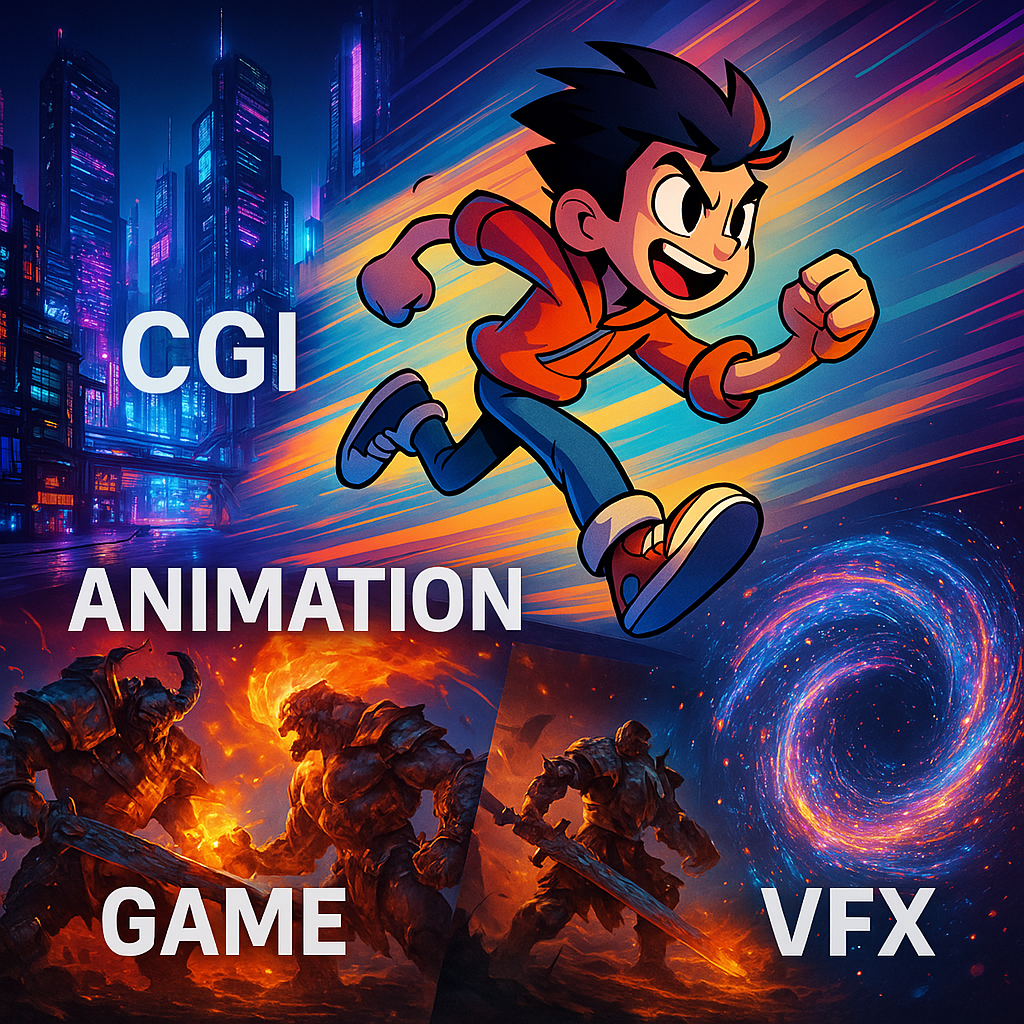
Another key lesson I’ve learned is about perfectionism and deadlines. As an artist, I’ll always strive for perfection, but I’ve come to understand that sometimes you need to aim for the best work possible within tight deadlines rather than perfect work that never gets completed. It’s better to submit a strong, complete project than to miss deadlines chasing an impossible ideal of perfection. The balance between ambition and pragmatism is essential for success in any creative field.
Experience at UWTSD?
My experience at UWTSD has been absolutely transformative and couldn’t have been better. The support system here is extraordinary, from Richard Morgan in the Games Design department, who has been my rock throughout my three-year BA journey, to lecturers like Nabeel Masih, Adam Head, Philip Organ, and James Williams, who have consistently encouraged my growth and exploration of emerging technologies. The university’s holistic approach to student support extends beyond academics. The well-being department has been incredibly supportive during challenging times with my mental health, and the entire campus environment, from reception and canteen staff to lecturers, creates an atmosphere that feels genuinely supportive and nurturing.
I’ve had numerous opportunities for leadership and community involvement, serving as Student Representative for both my BA and MA courses and participating in the UWTSD Esports Committee, where we organised events and created lasting memories. The university even pushed me toward pursuing my Masters degree when I wasn’t initially planning to continue, a decision that has proven invaluable. The collaborative environment has allowed me to form lasting friendships with both staff and students, and I’ve been able to contribute through graphic design work for various university projects. If I could change anything about my university experience, it would be nothing, every aspect has been beneficial and has contributed to my growth as both a person and a professional.
~
For further information about Computer Games & Animation courses at UWTSD, please click here.
 UWTSD Applied Computing Blog
Written by jameswilliams
Leave a comment