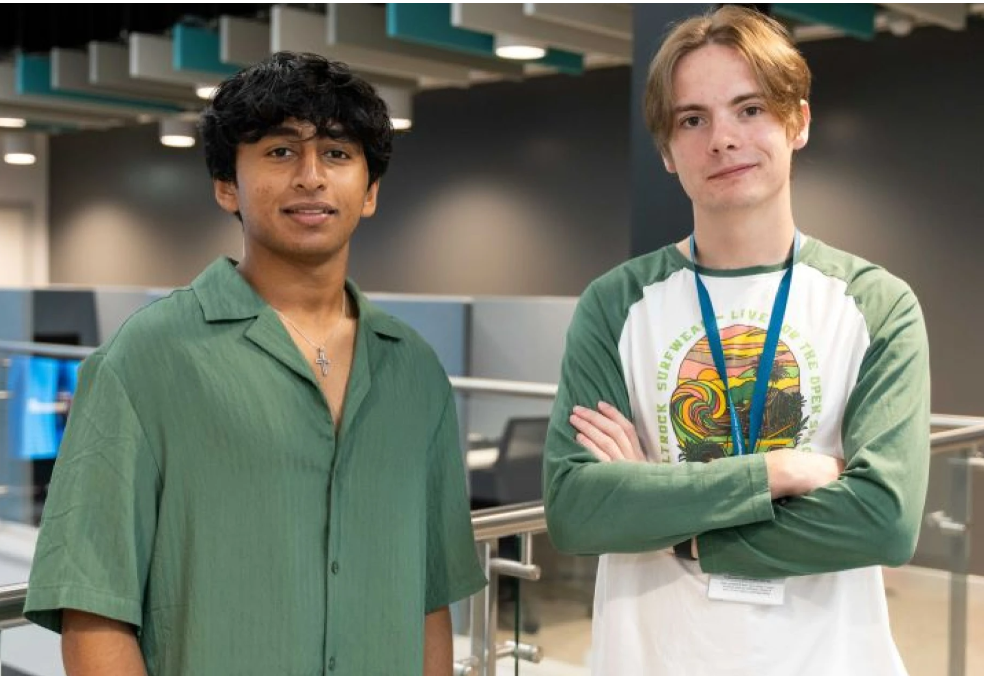
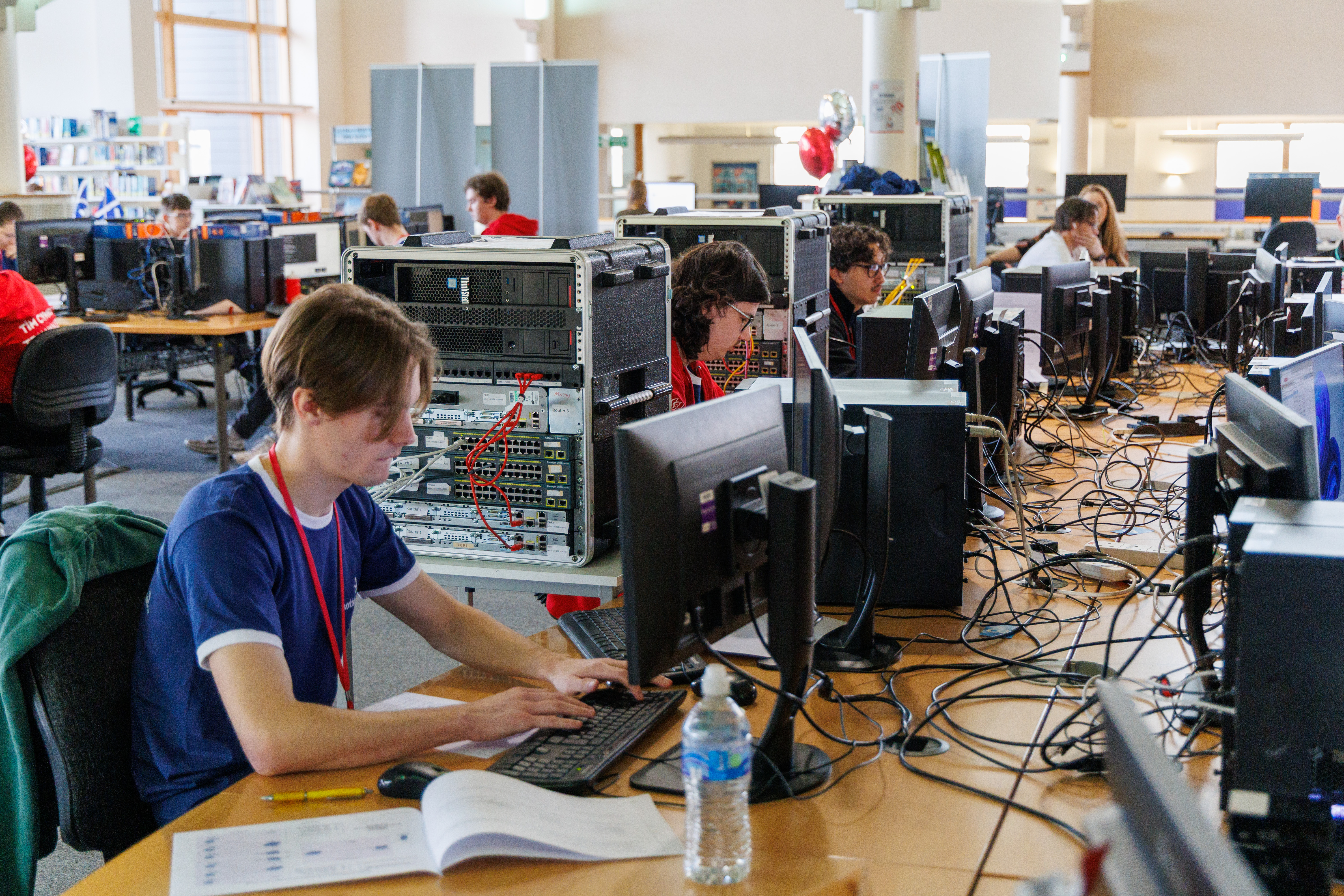
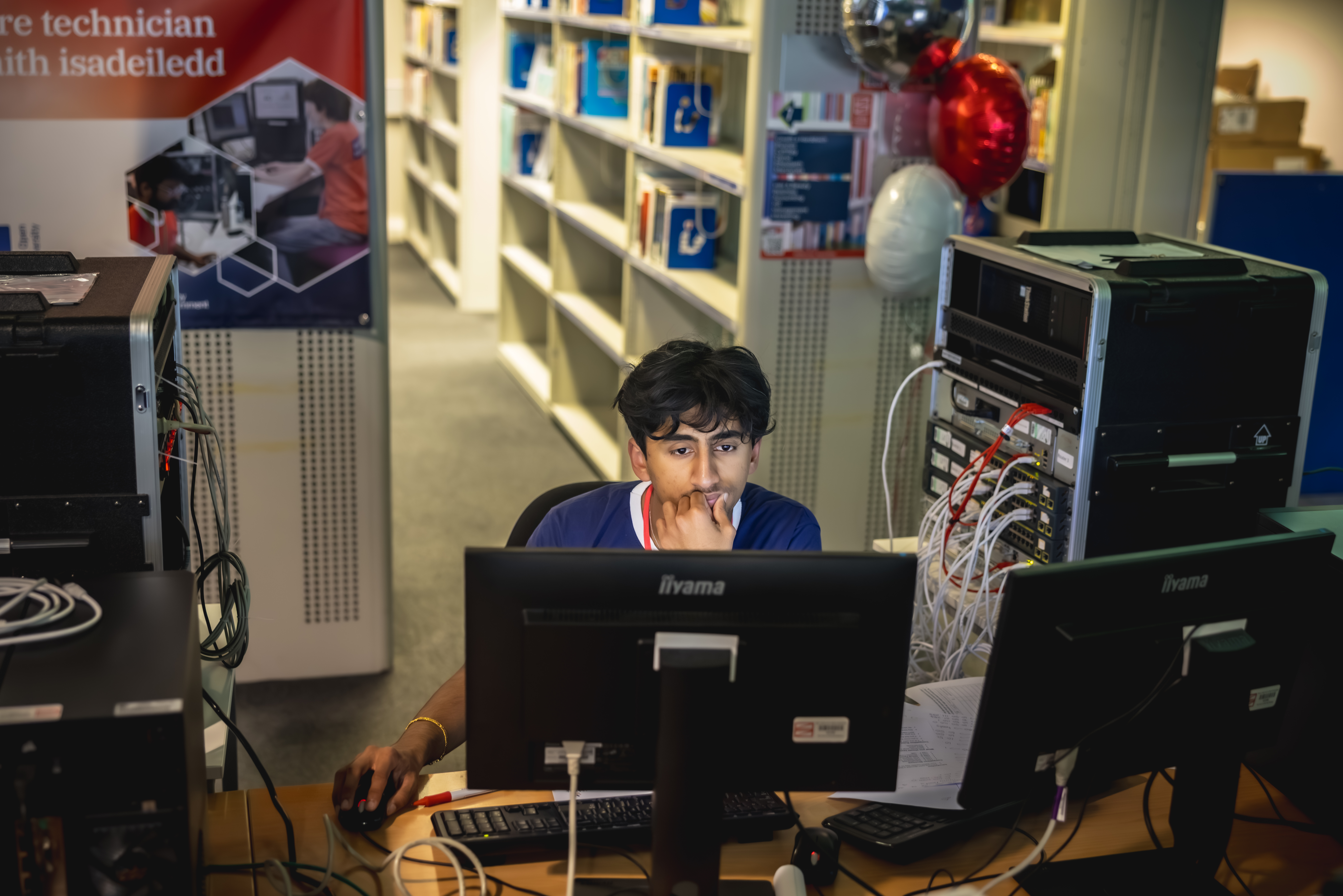
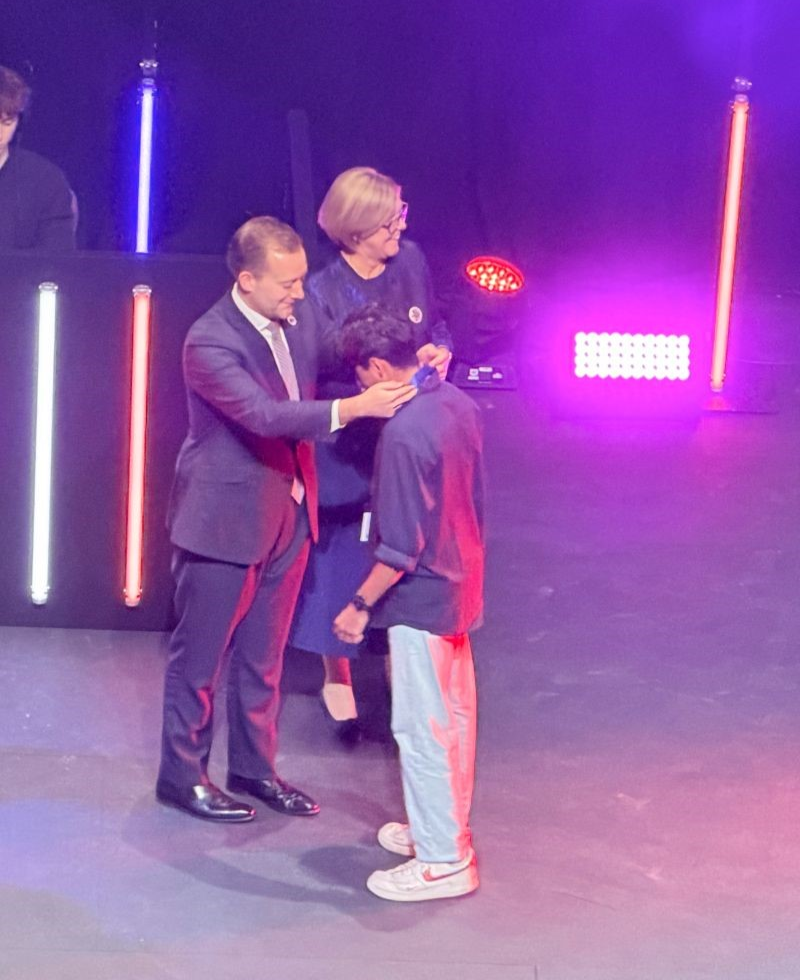
Many Congratulations to year 2 BSc (Hons) Networks & CyberSecurity student Rehan Joseph on Winning the Bronze Medal 🥉at the WorldSkills 2025 Network Infrastructure Technician competition (pictured below)
“Proud moment for us! After over six months of intense training, dedication, and unwavering commitment, our talented students Luke Redmore (Software Engineering) and Rehan Joseph (Networks and Cybersecurity) not only qualified but shone at the National Finals of the WorldSkills UK Network Infrastructure Technician Competition in 2025. Huge congratulations to Rehan for bringing home the bronze medal. Well done to both for representing us so brilliantly.” – Nitheesh Kaliyamurthy (Senior Lecturer)
Congratulations and well done also to our in-house academic experts Nitheesh Murugan KaliyamurthyMunyaradzi murira for training and supporting Rehan and Luke and our other students who also competed.
WorldSkills UK runs nationwide skills competitions designed to develop and showcase excellence in technical and vocational training. These competitions help young people upskill to world‑class standards. Cymru / Wales hosted the finals for the first time, with more than 400 competitors from across the UK taking part, demonstrating high‑level skills across sectors such as digital technologies, engineering, aircraft maintenance, health and social care, and more.
The World Skills Finals represent the culmination of months of training, showcasing the UK’s top emerging talent. To watch an overview of the World Skills Finals, please click the video below:
Winners go on to represent the UK at global events such as the WorldSkills international competition in Shanghai and future ‘Skills Olympics.‘
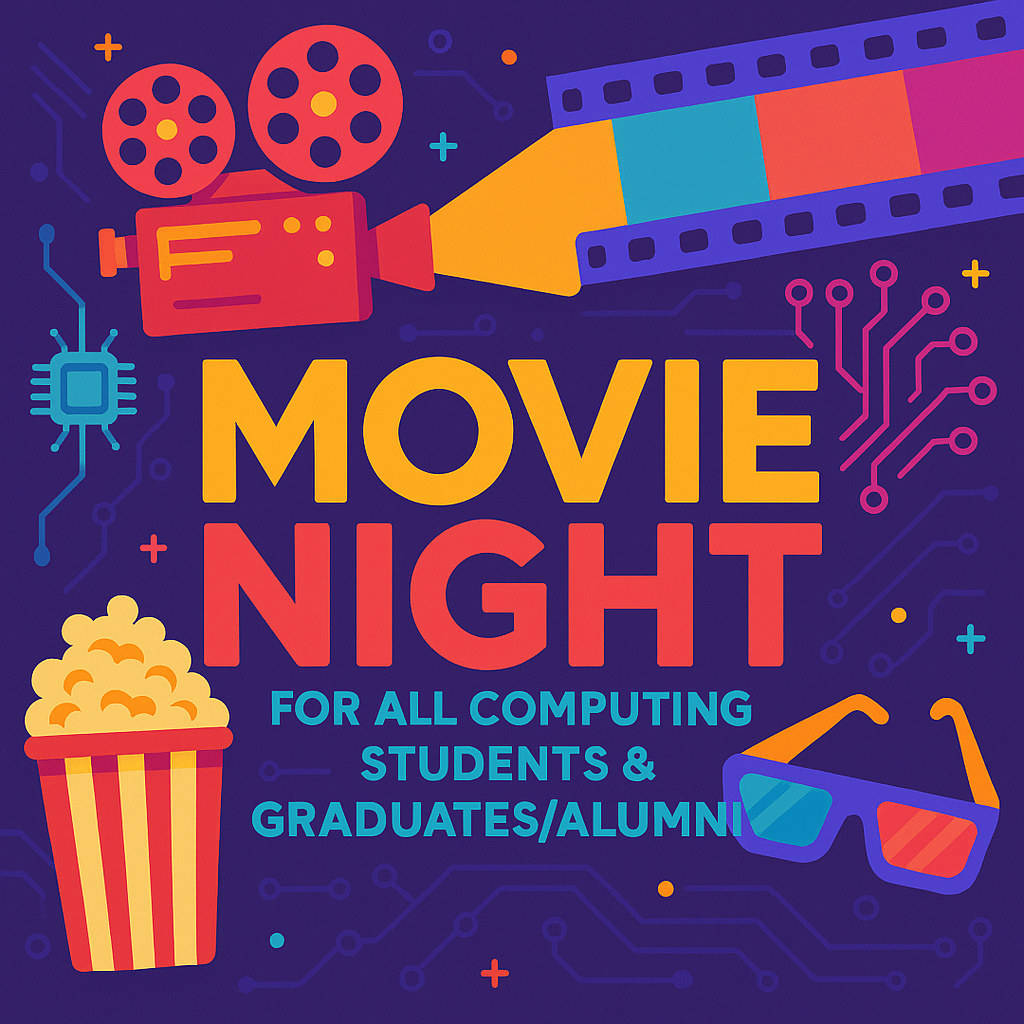
Movie Night for Computing Students& Alumni, at the Dylan Thomas Theatre in Swansea (SA1 Campus). Movie: Pirates of Silicon Valley – info below Date: 28th of January, 5:30pm. Click the link to sign-up for a free ticket: FREE Ticket – Movie Night @ DTC Swansea The movie will be exciting, useful and interesting for all Computing students. Movie info. below:
🎬 Pirates of Silicon Valley: Two rebels – One revolution This fast-paced, dramatic retelling explores the fierce rivalry between Steve Jobs and Bill Gates, and the scrappy early days of Apple and Microsoft. Packed with ambition, ego, betrayal, and breakthrough ideas, Pirates of Silicon Valley shows how a handful of visionaries rewrote the rules of technology—and changed the world forever. A must-watch for anyone curious about innovation, startups, or the real stories behind today’s tech giants.
Date & Time: 28th of January, 5:30pm until 8pm Location: The Dylan Thomas Theatre (first floor), Dylan Thomas Centre, Swansea. SA1 1RR. Cost: Free Tickets: Sign up below for your free ticket here, the space has a max capacity. Free Ticket – Movie Night @ Dylan Thomas Theatre. UWTSD Students’ Union
Note: Please feel free to bring a drink and your favorite sweets/snack. Please avoid high allergen products such as nuts. If you have any questions about the event or accessing the venue or anything else, feel free to get in touch via email at: SUOpportunities@uwtsd.ac.uk.
The School of Applied Computing at the University of Wales Trinity Saint David (UWTSD), wish all of our students, staff, alumni, industry partners and friends a very Merry Christmas and a Happy New Year 2026. 🎄✨
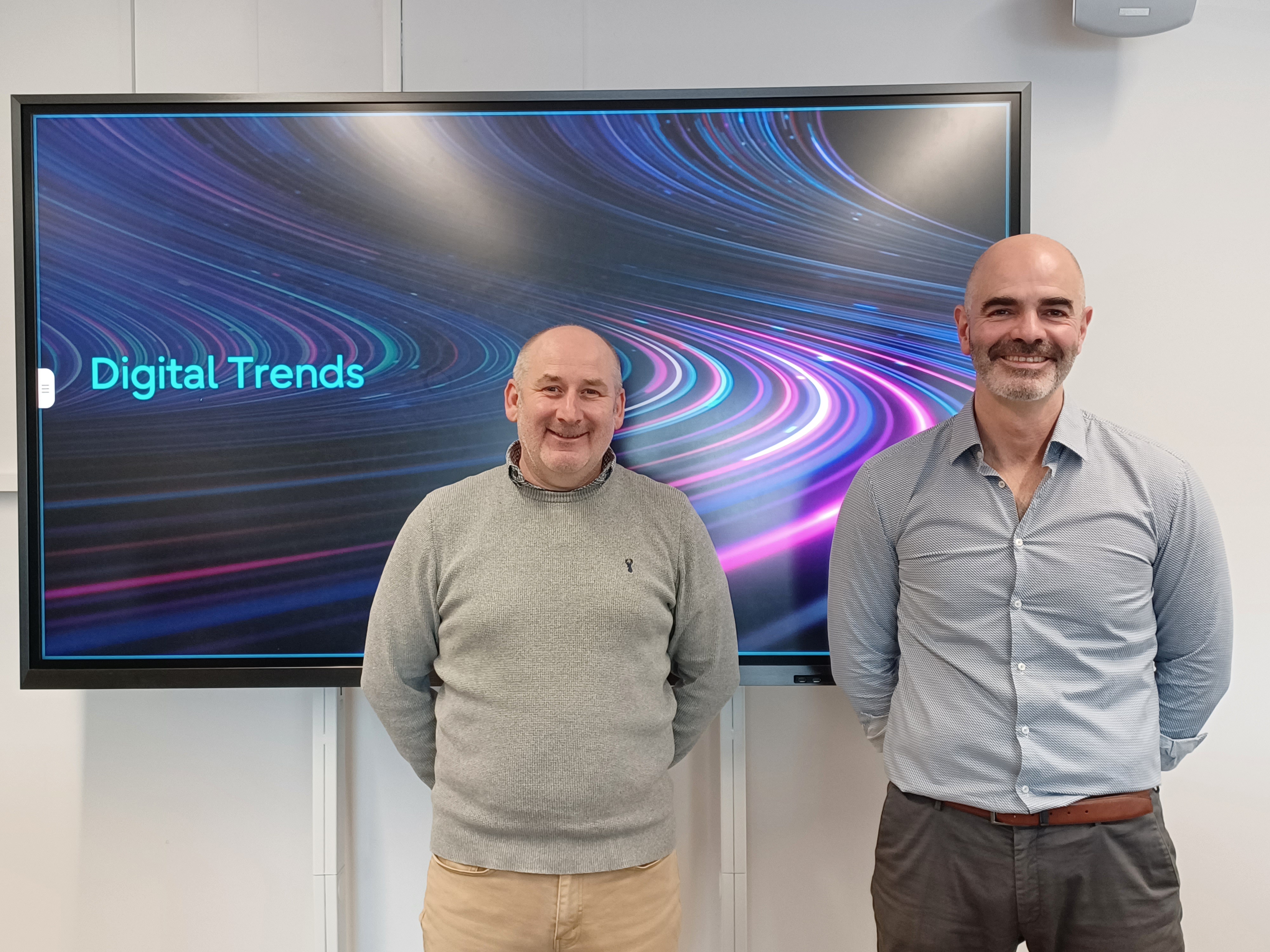
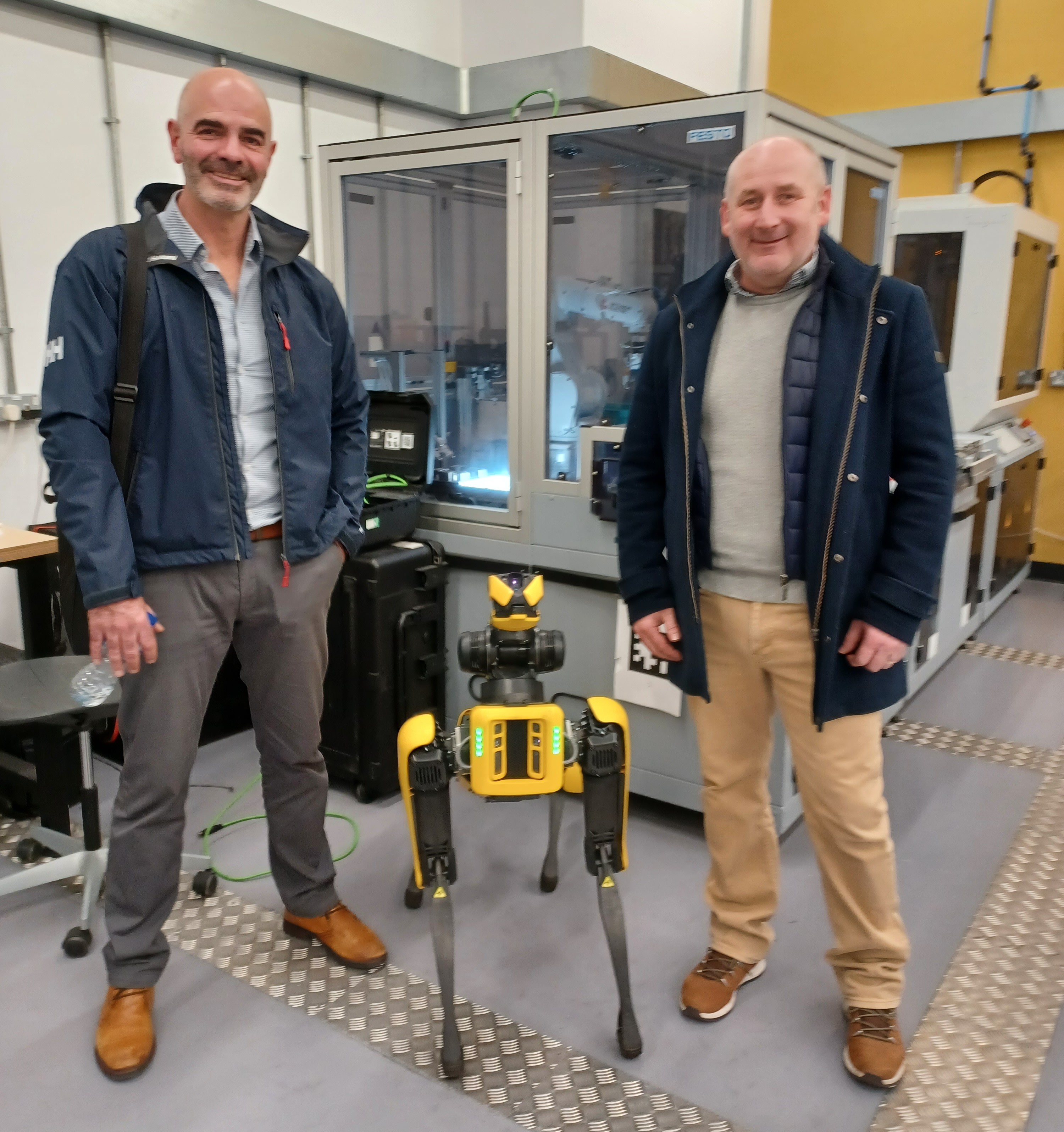
Many thanks to David Jones (Consultant) and Geraint Williams (Director of Mission Control) from Fujitsu for recently visiting the University and speaking with our students.
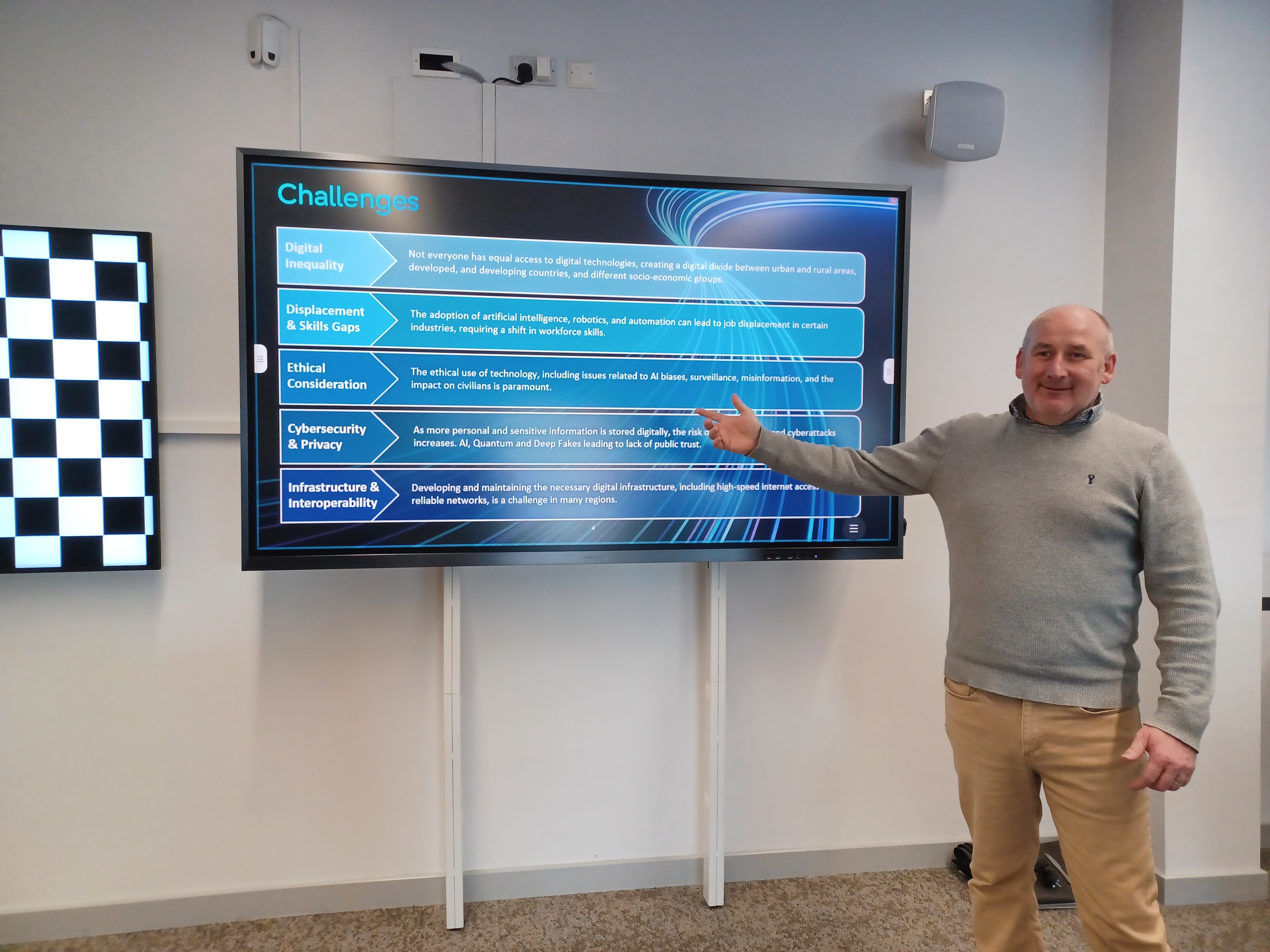
Geraint Williams (right) & David Jones (left)
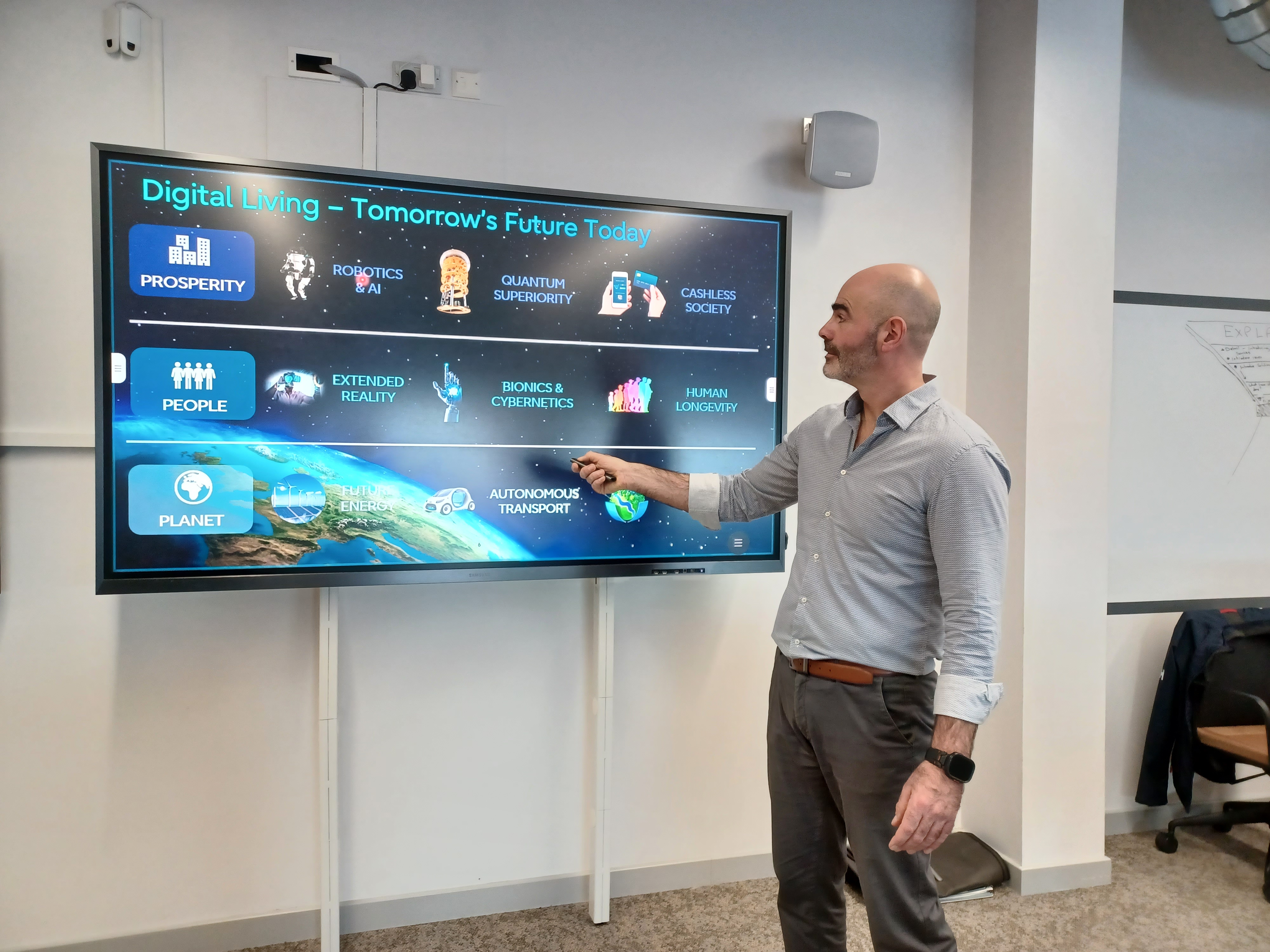
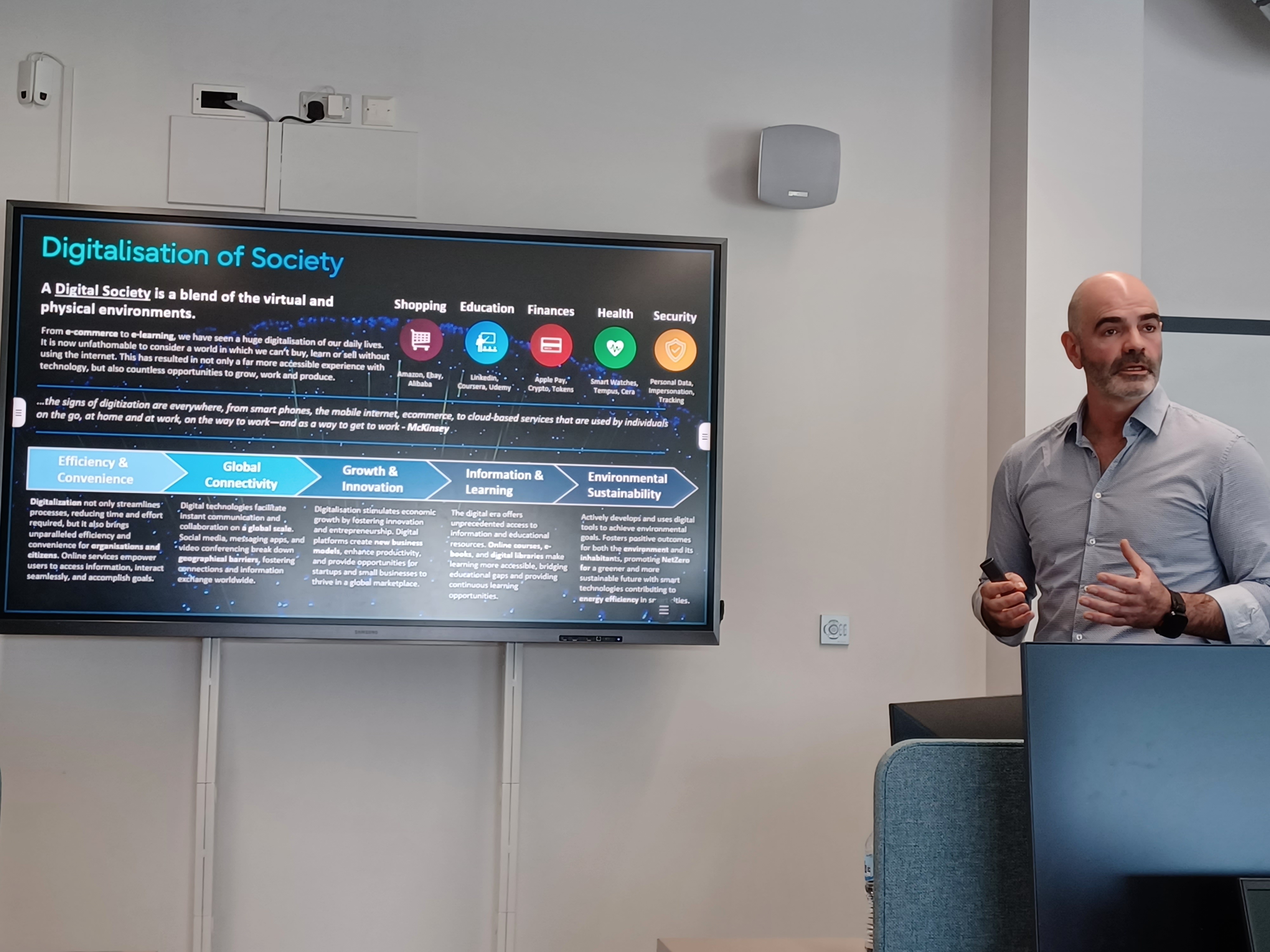
The talk titled ‘Digital Trends‘ covered the incredible rapid innovation and evolution of Technology that has brought about an incredible transformation and digitization of society. Highlighting significant historical and current innovations, positive impacts, and emerging trends & technologies, challenges and future impacts. A whistle stop tour of the digital landscape: past, present and future. A fascinating talk enjoyed by all, staff and students alike.
“Our Digital Trends talk, delved into the multifaceted impact of digitalisation on society, business, and daily life. It highlights key themes such as the integration of technology into everyday activities, the challenges of digital transformation, lifestyle shifts driven by digital innovation, and future trends including Robotics, AI, and Quantum Computing. Additionally, it introduces the concept of Human Centric Design and describes a workshop where participants tackle the ethical integration of Generative AI in organisations, focusing on creating value while mitigating risks such as misinformation and bias”. – David Jones (Guest Speaker from Fujitsu)
David went on to explain that the Digital Trends talk explored the ongoing digital transformation shaping society, business, and daily life. And that it’s purpose is to inform and inspire audiences about the profound impact of digitalisation, the benefits and challenges it brings, and the emerging trends that will define the future.
Key Themes Covered:
Digitalisation of Society: Examines how technology is blending virtual and physical environments, transforming commerce, education, finance, health, and communication. Highlighting the benefits of efficiency, global connectivity, economic growth, and access to information, while also addressing the importance of security and trust in digital systems.
Challenges of Digital Transformation: Discusses digital inequality, job displacement, ethical considerations (such as AI bias and privacy), cybersecurity threats, and the need for robust digital infrastructure. The content emphasizes the importance of inclusivity, ethical technology use, and collaboration among stakeholders to address these challenges.
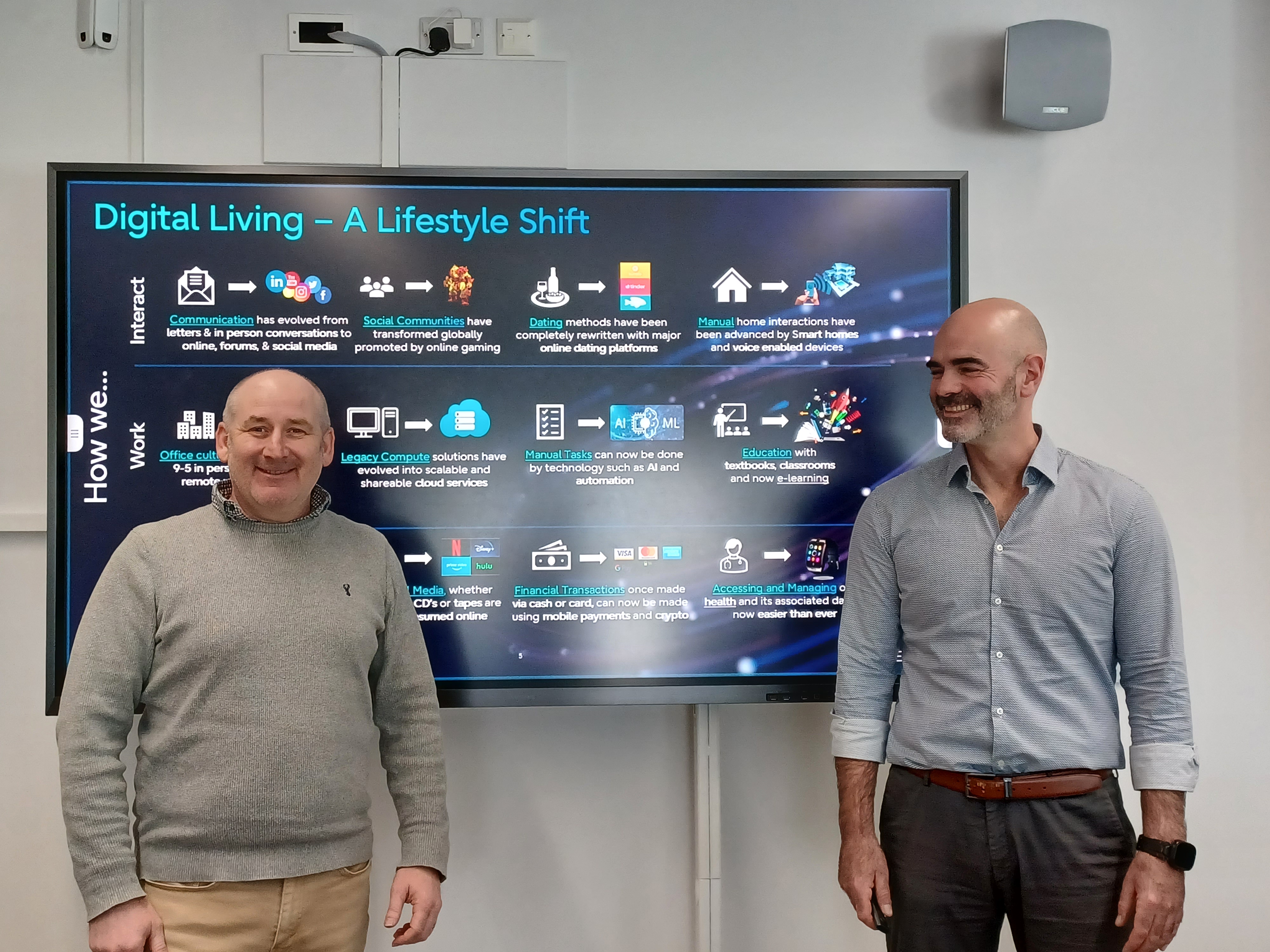
Digital Living – Lifestyle Shifts: Explores how digital technologies have revolutionized the way we interact, work, consume, and manage our lives, from remote work and smart homes to online communities, e-learning, and digital entertainment.
Future Trends: Looks ahead to transformative innovations such as Robotics and AI, Quantum Computing, Cashless Societies, Extended Reality, Bionics & Cybernetics, and Regenerative approaches to society and energy and risks associated with these advancements, including ethical, economic, and societal implications.
Human Centric Design: Introduces a unique design thinking methodology focused on aligning business challenges with human needs, fostering creativity, and developing rapid, actionable solutions.
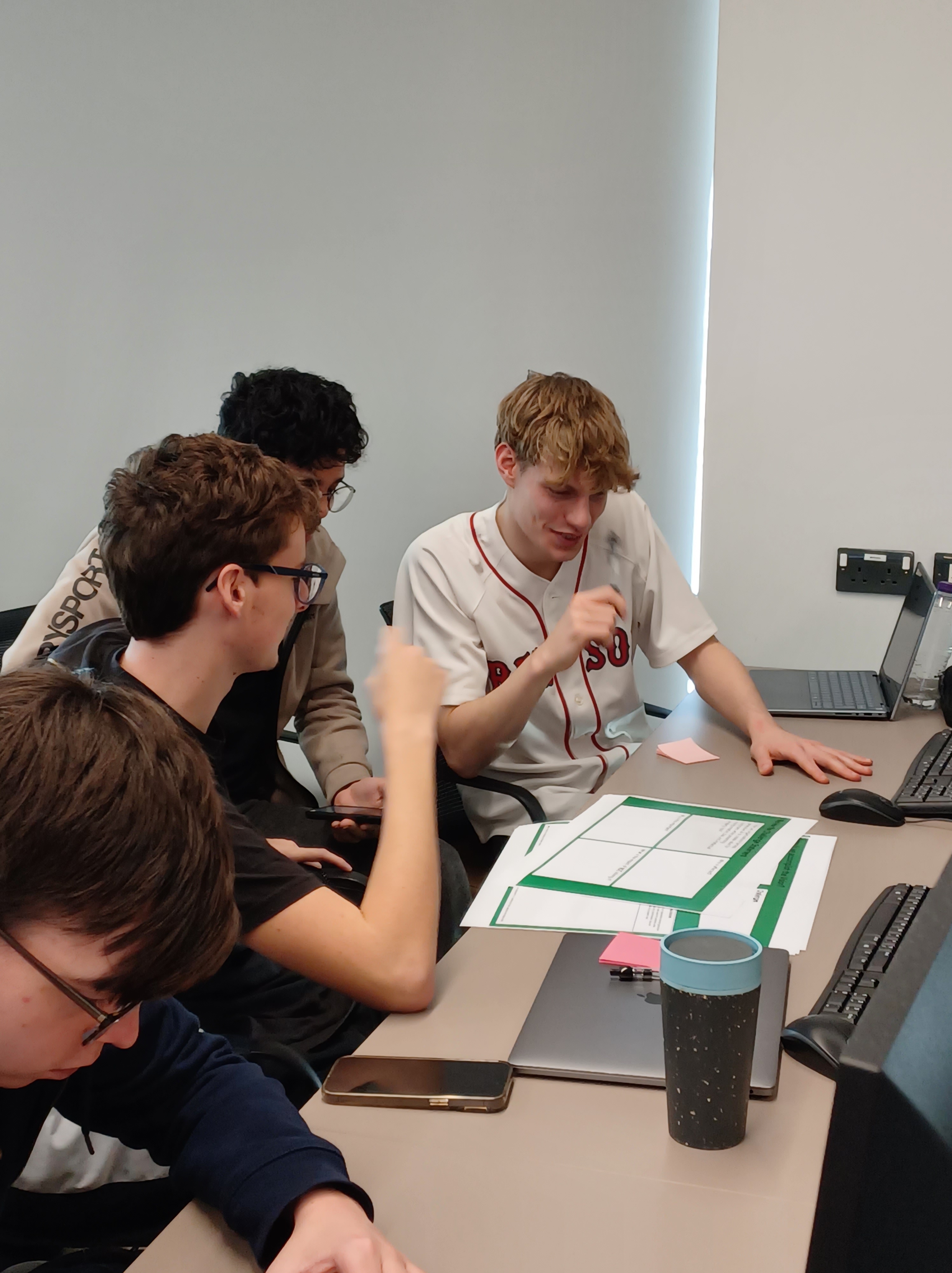
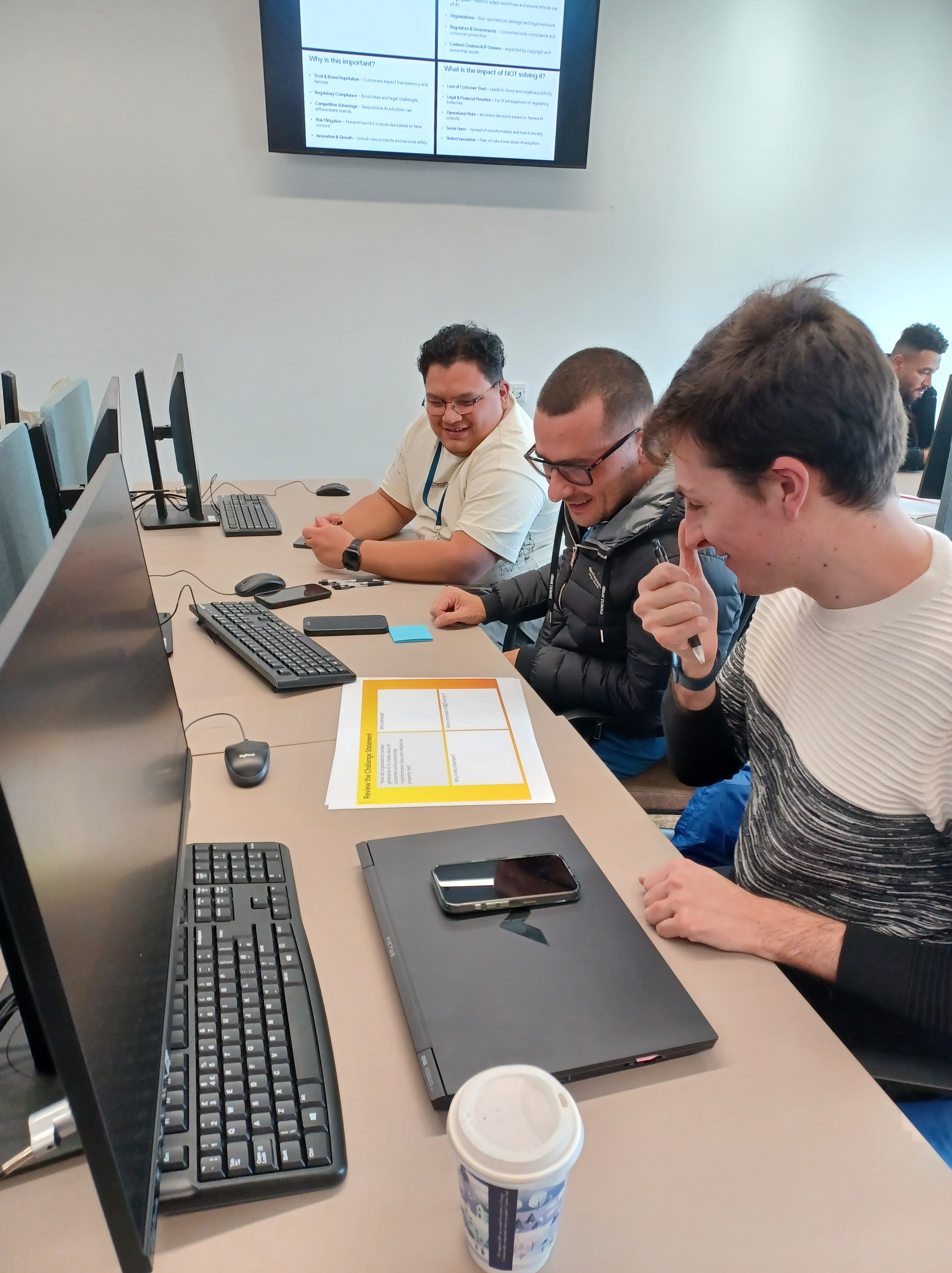
The Human Centric Design workshop provided students with a Challenge Statement: How can organisations harness Generative AI to create value for customers while preventing misinformation, bias, and intellectual property risks. It gave the students an opportunity to consider the introduction of AI into a company’s ecosystem and how they can work together to ideate and reach a consensus on what the key features and challenges are for ethical AI solutions.
“It was a pleasure to return to the place where it all began for me and give something back. I genuinely enjoyed the preparations, creation and delivery of both the talk and workshop and it was good to see the next generation of industry experts beginning their journey, there is much ahead of them, change is accelerating at a pace like we have never seen…” – David Jones
“Great to be back at the University of Wales Trinity Saint David (UWTSD) today speaking with first year Computing students. As a former student of the university, it’s special to return to the place that set me up for success and share the lessons I’ve learned along the way e.g. stay curious, build your network, and keep evolving/adapting – the technology industry never stands still!” – Geraint Williams
The Academic staff at UWTSD’s School of Applied Computing would like to thank David & Geraint for taking the time to come back to the University and share their invaluable experience, industry knowledge and insights. Diolch yn fawr iawn.
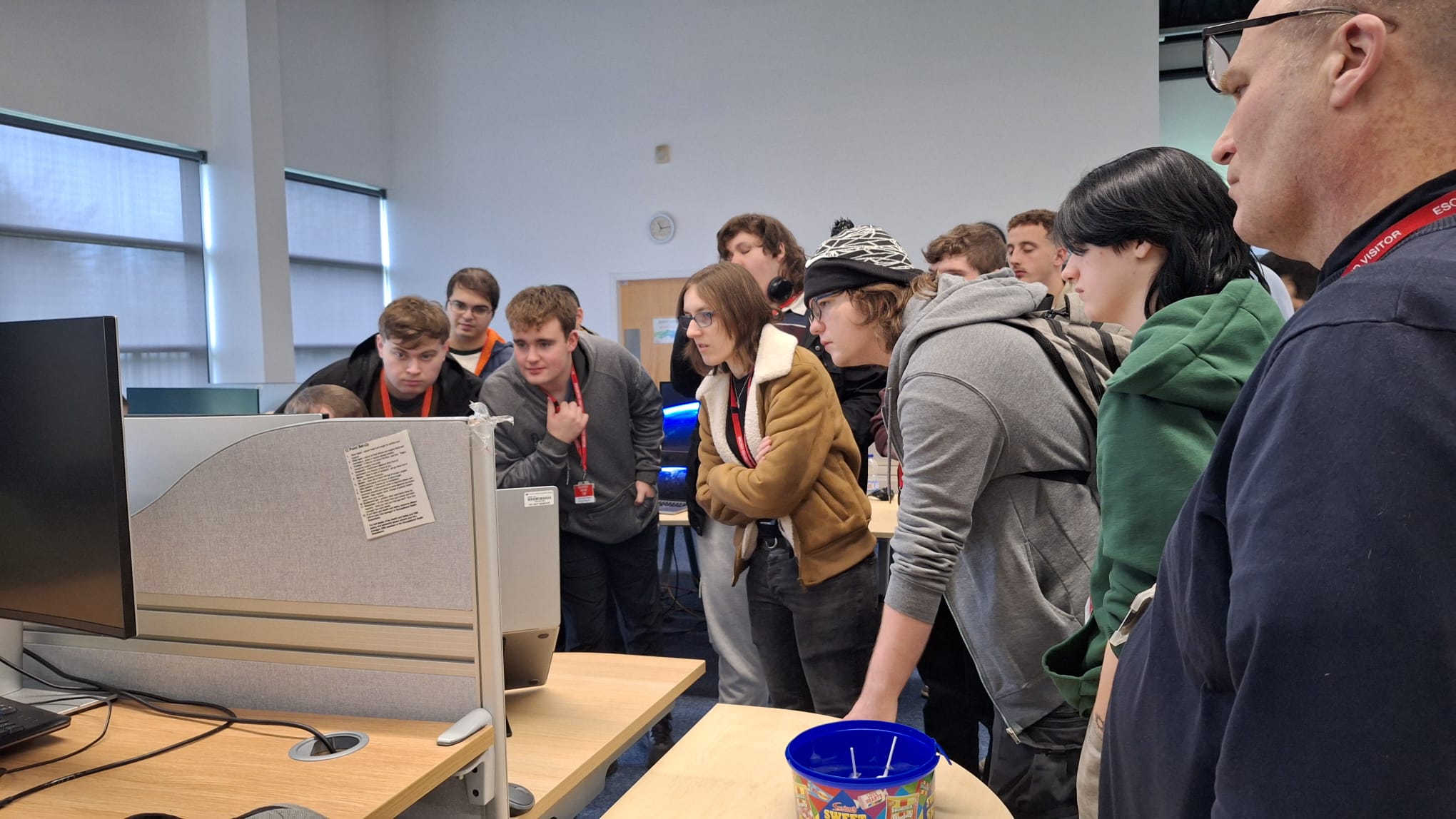
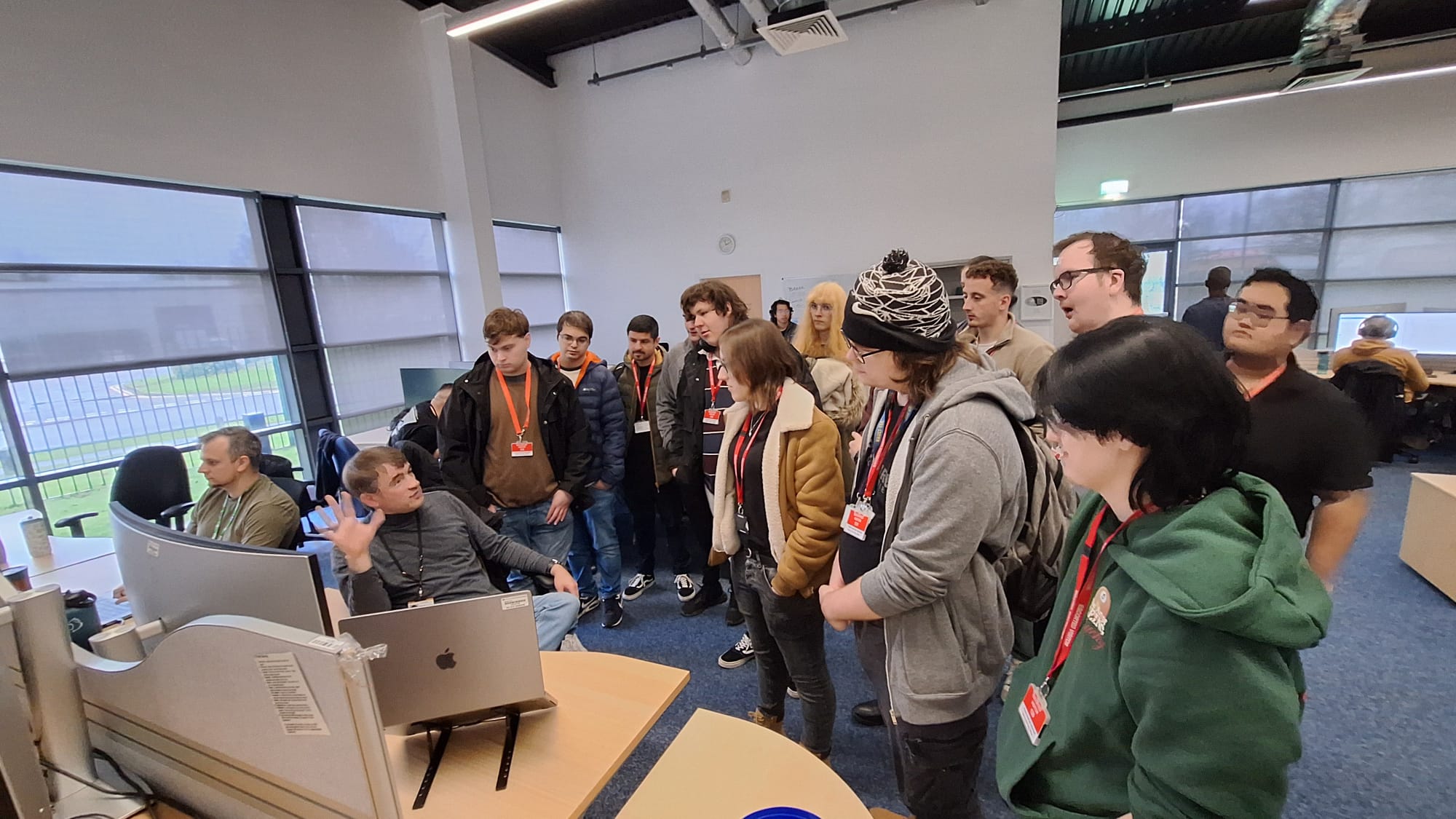
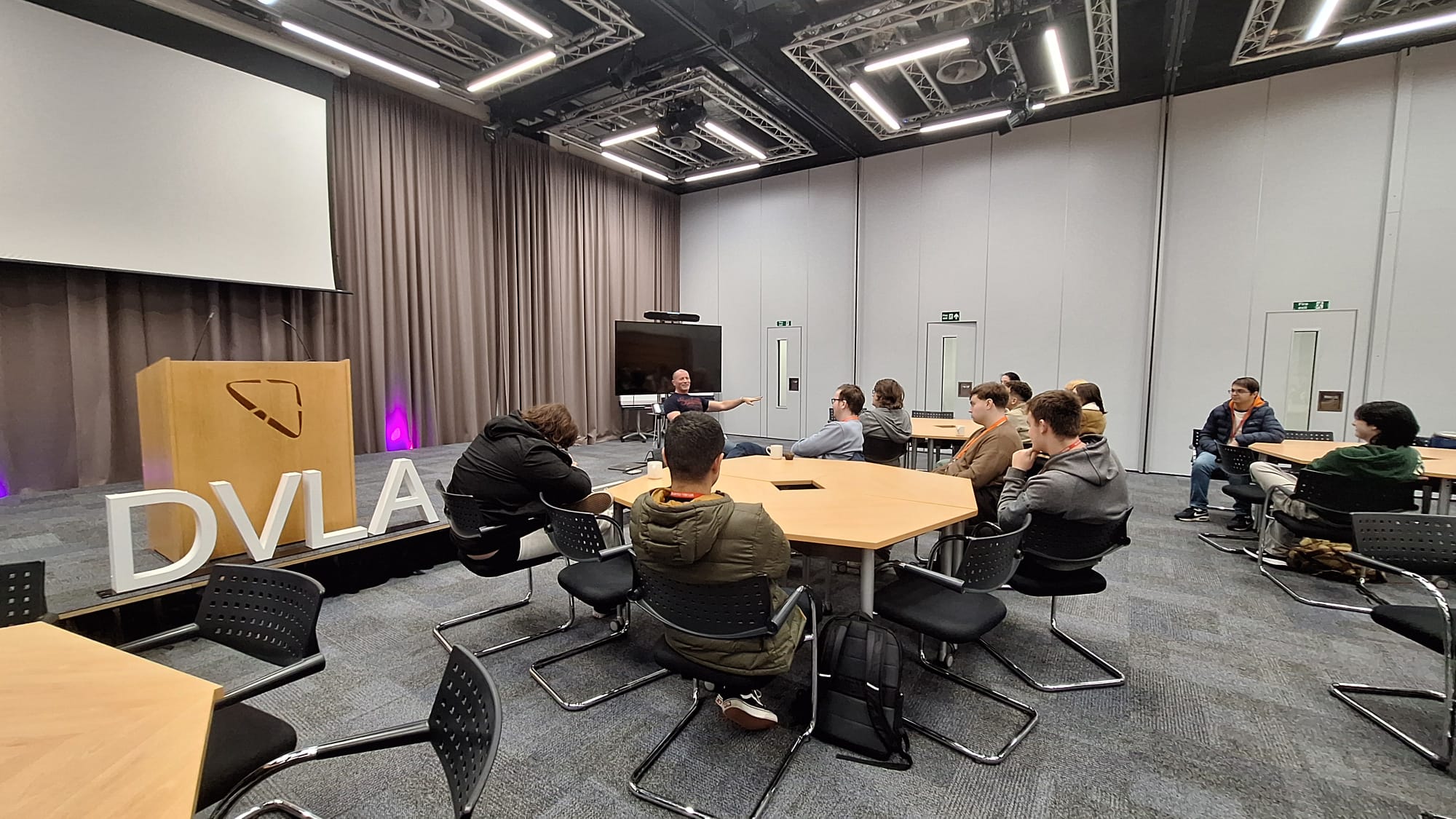
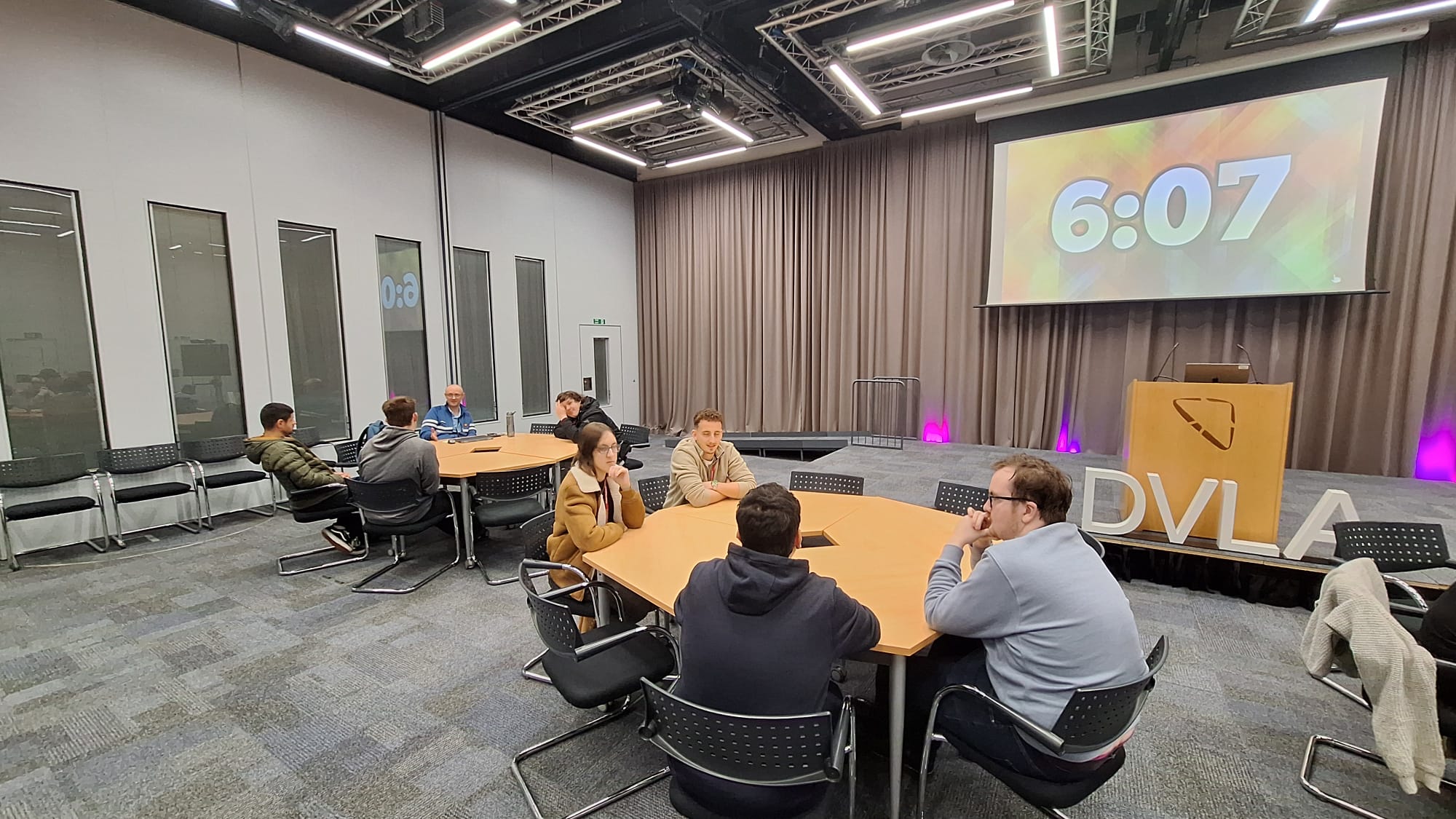
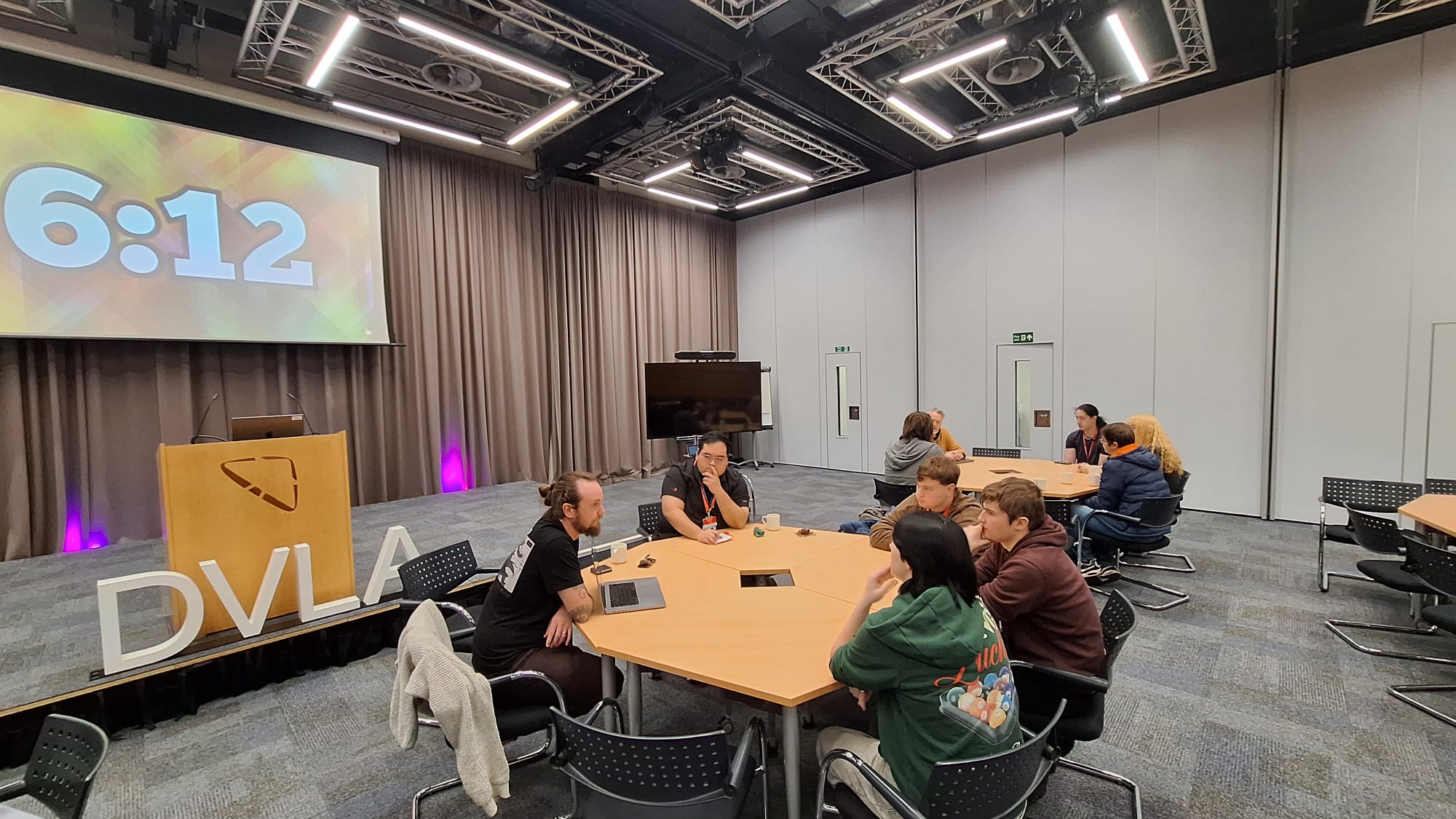
2nd and 3rd year UWTSD Computing students recently visited the DVLA to see what they do in the area of Software Engineering and Cybersecurity.
They were greeted by two lead developers at the DVLA who gave them a tour of the “shop floor” where developers showed them what they were doing in their day-to-day software work and how they react to technology changes. There are over 500 software developers at the DVLA, so they are one of the biggest employers in Wales (and beyond) in this area.
Later students met with developers in smaller groups where they chatted about the work they do at the DVLA and asked them questions.
The DVLA commented that the interest and attitude shown by students was excellent. A great industry visit and a fantastic day of learning and open shared industry practice and collaboration.
Many thanks to our friends at the DVLA for allowing and facilitating the visit. Diolch yn fawr iawn / Thank You
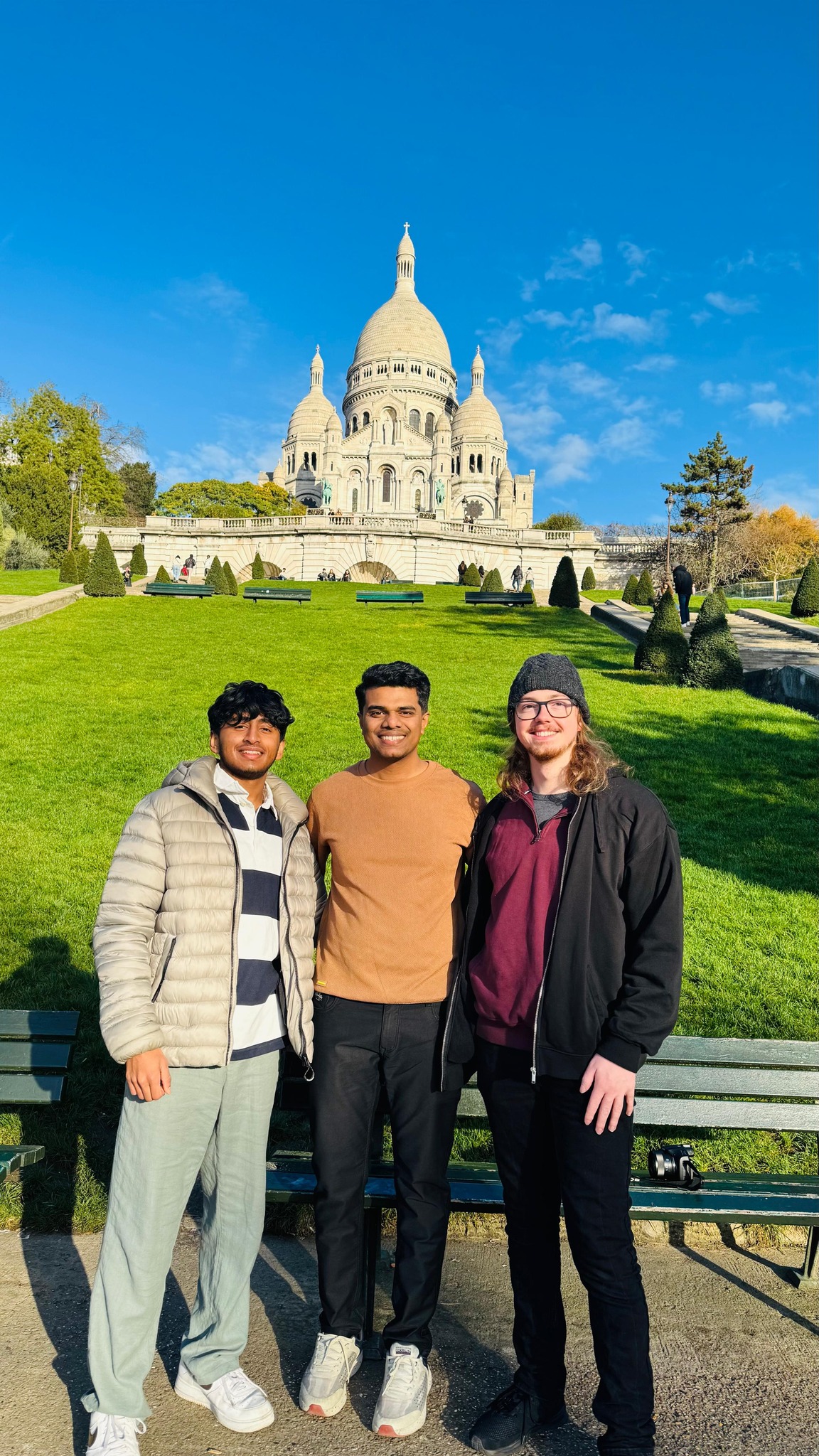
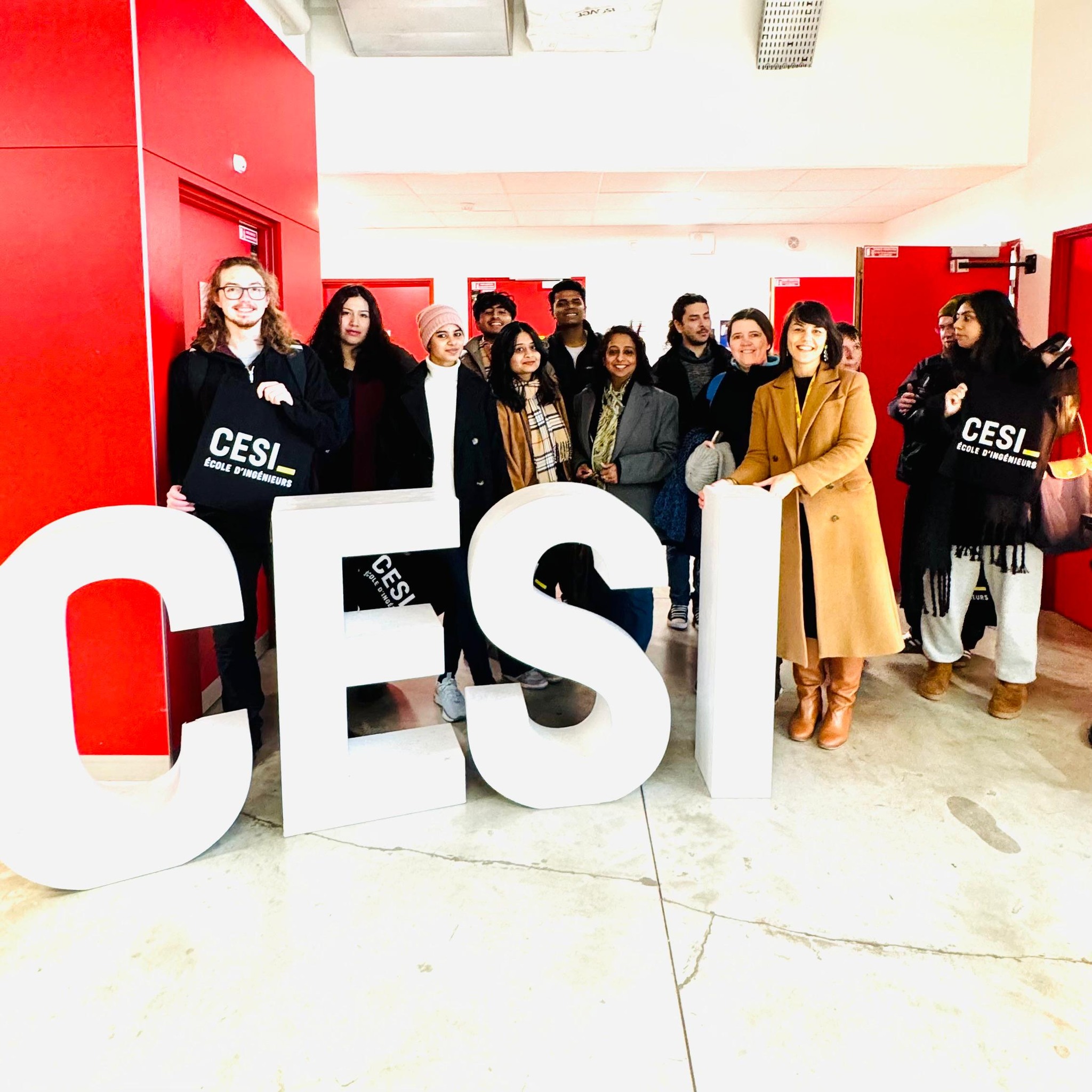
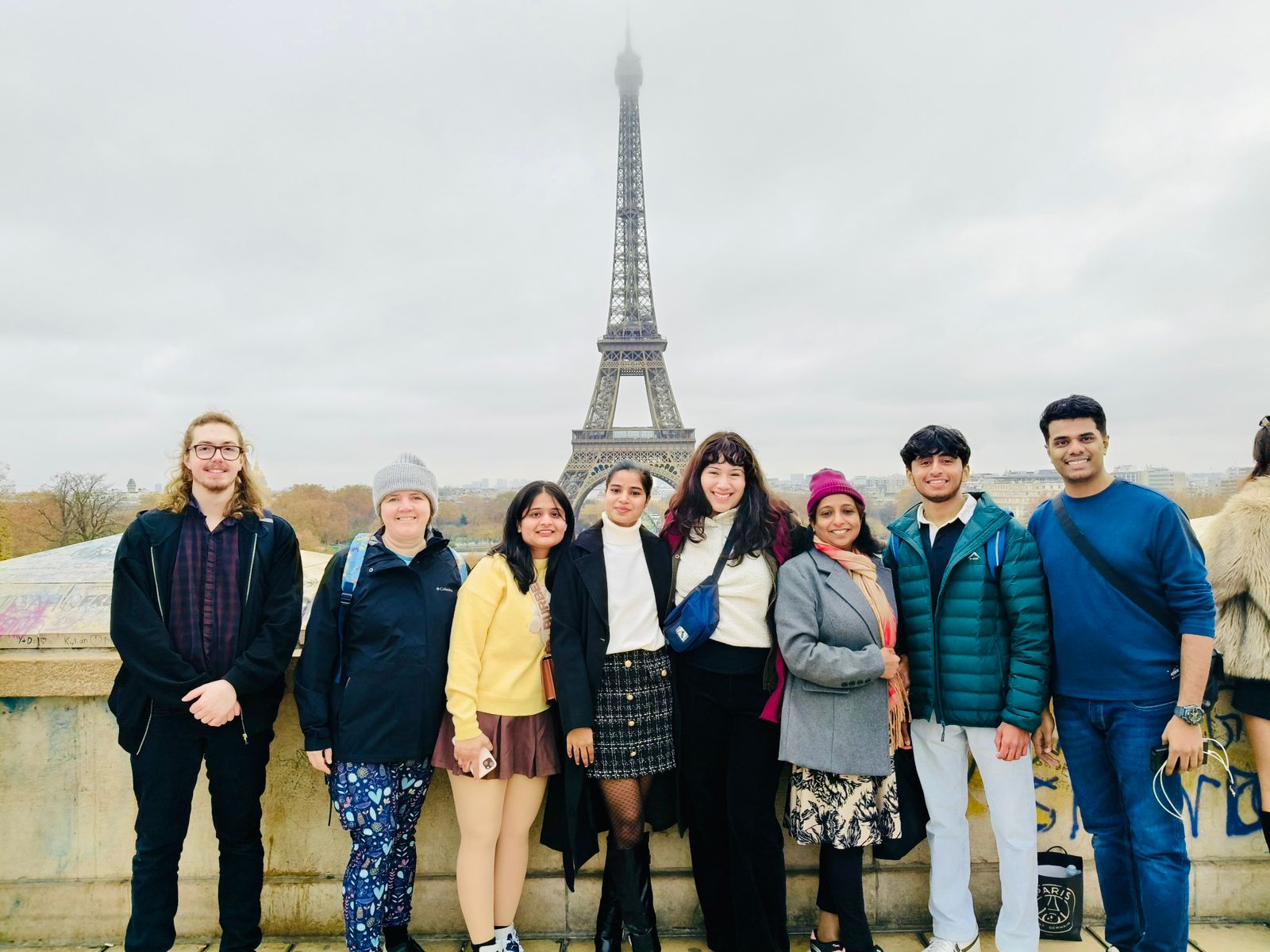
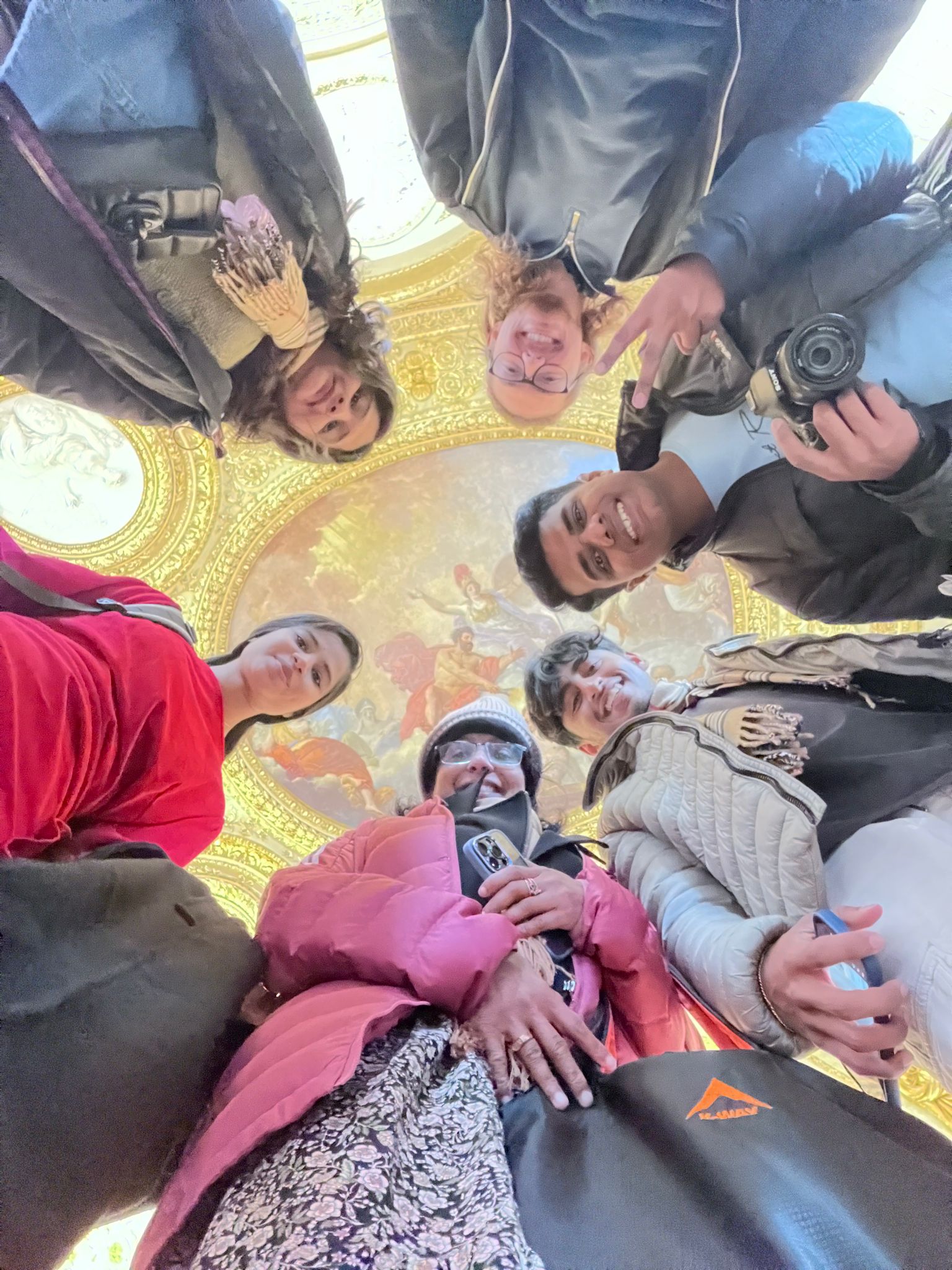
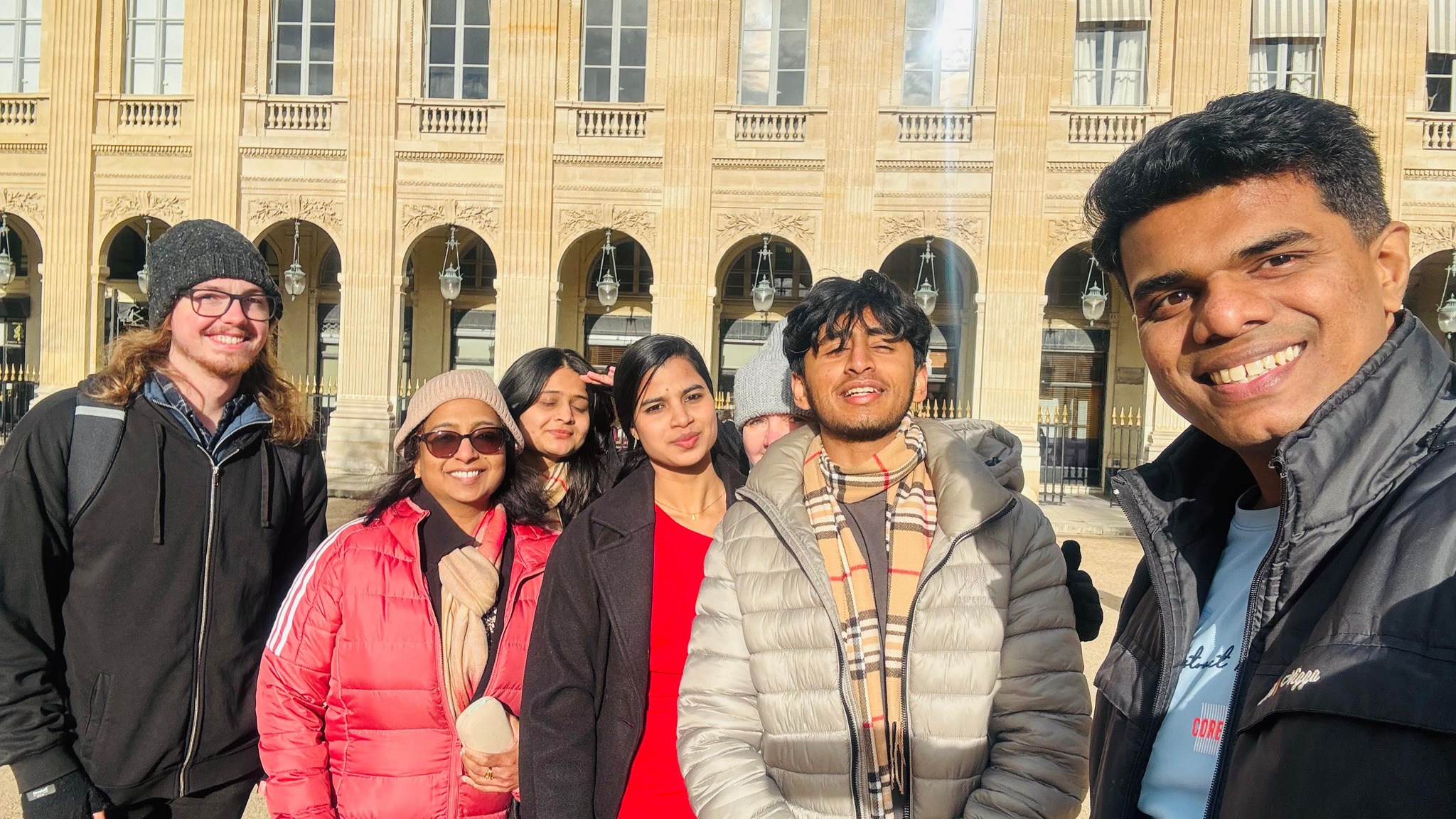
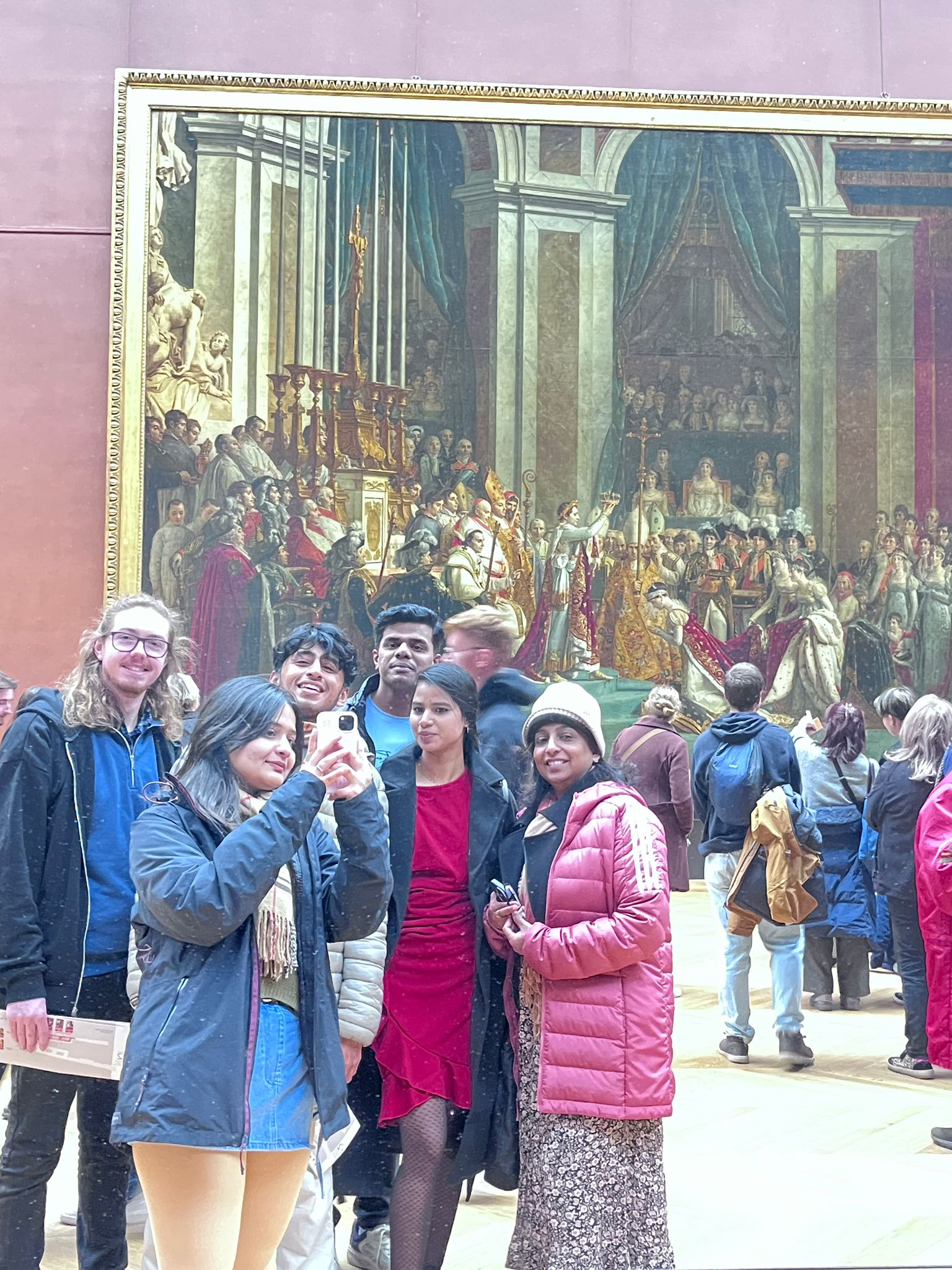
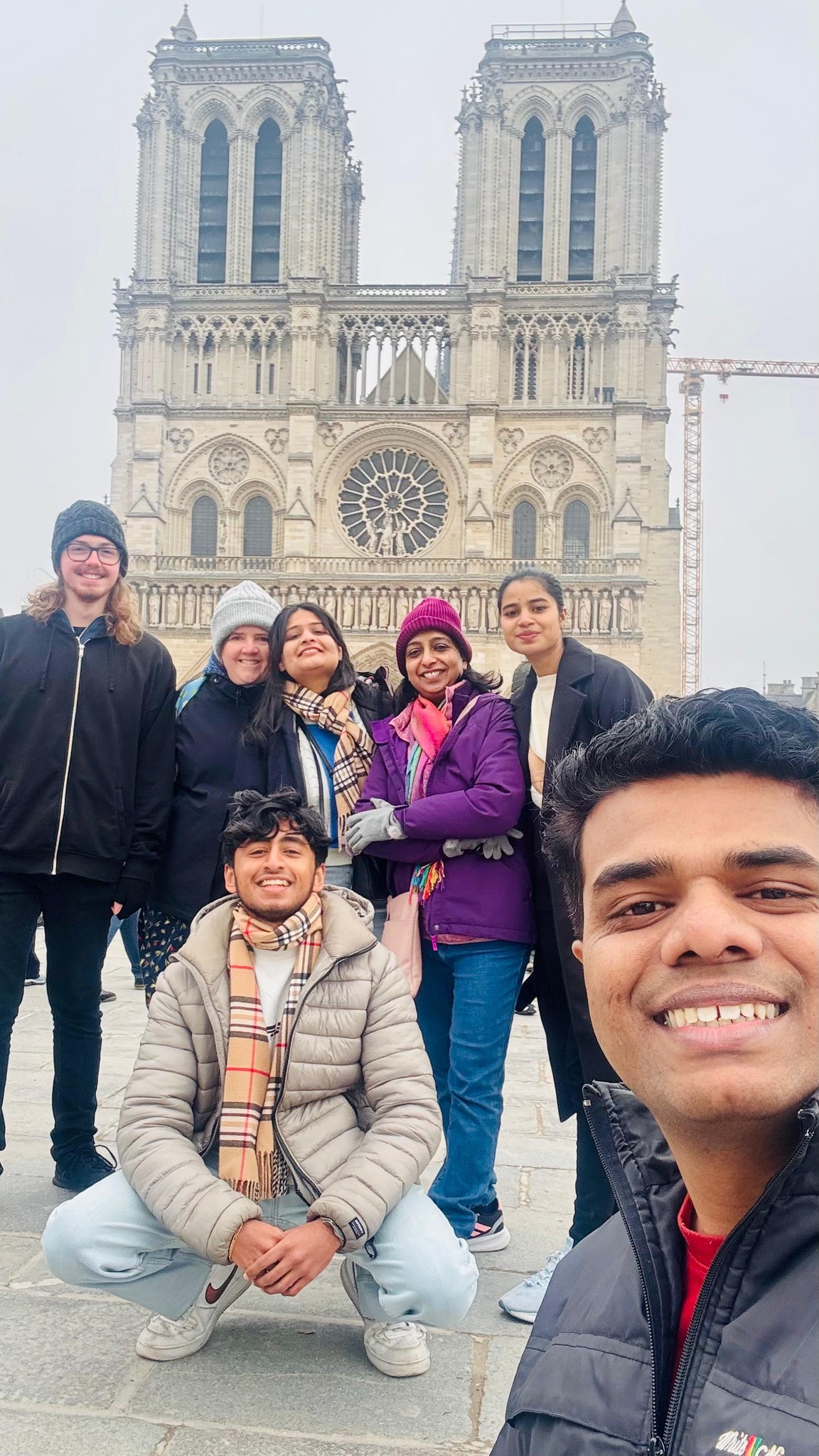
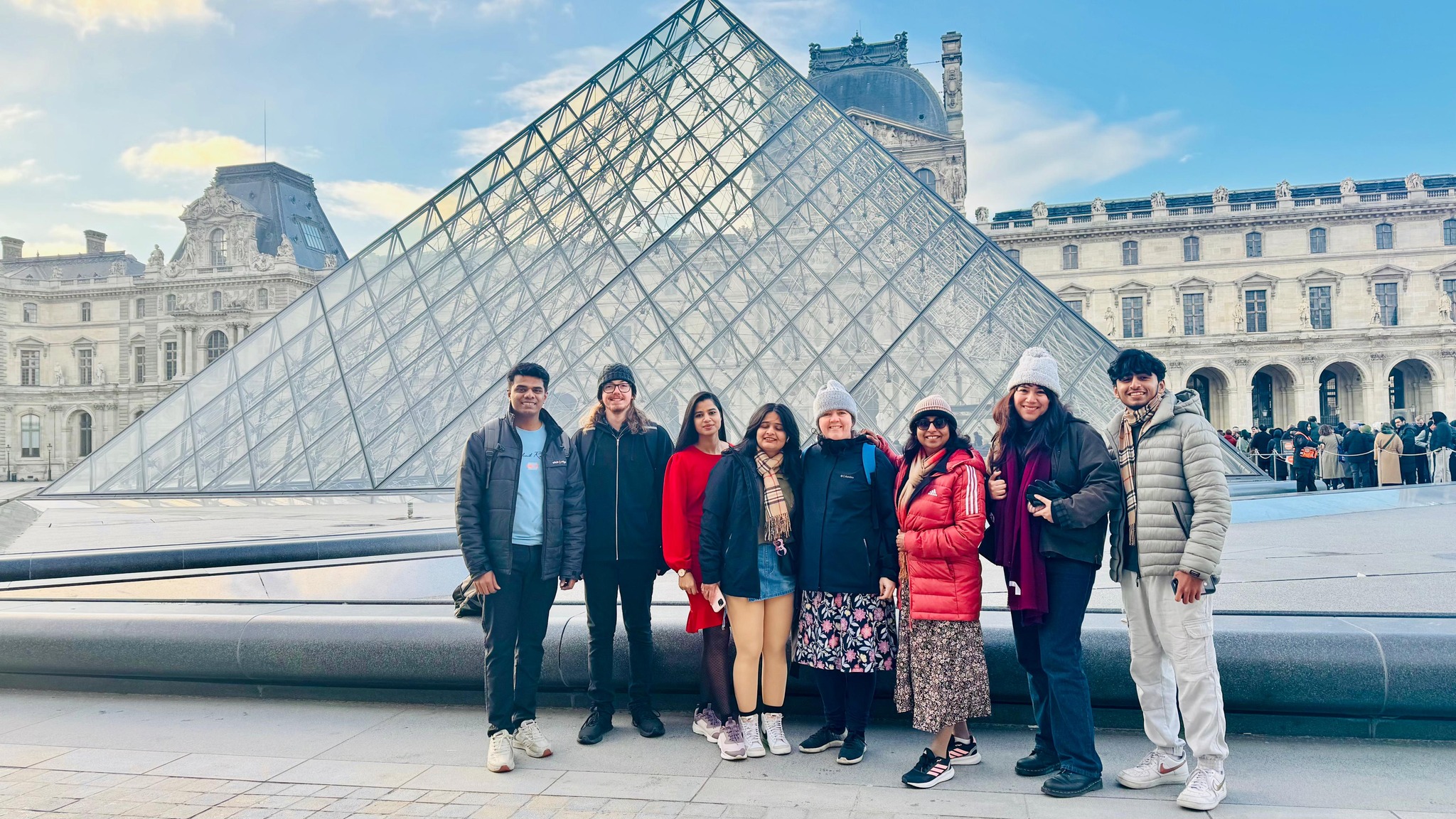
SOAC students recently travelled to Paris in November, along with lecturers Gaynor Thomas and Seena Joseph.
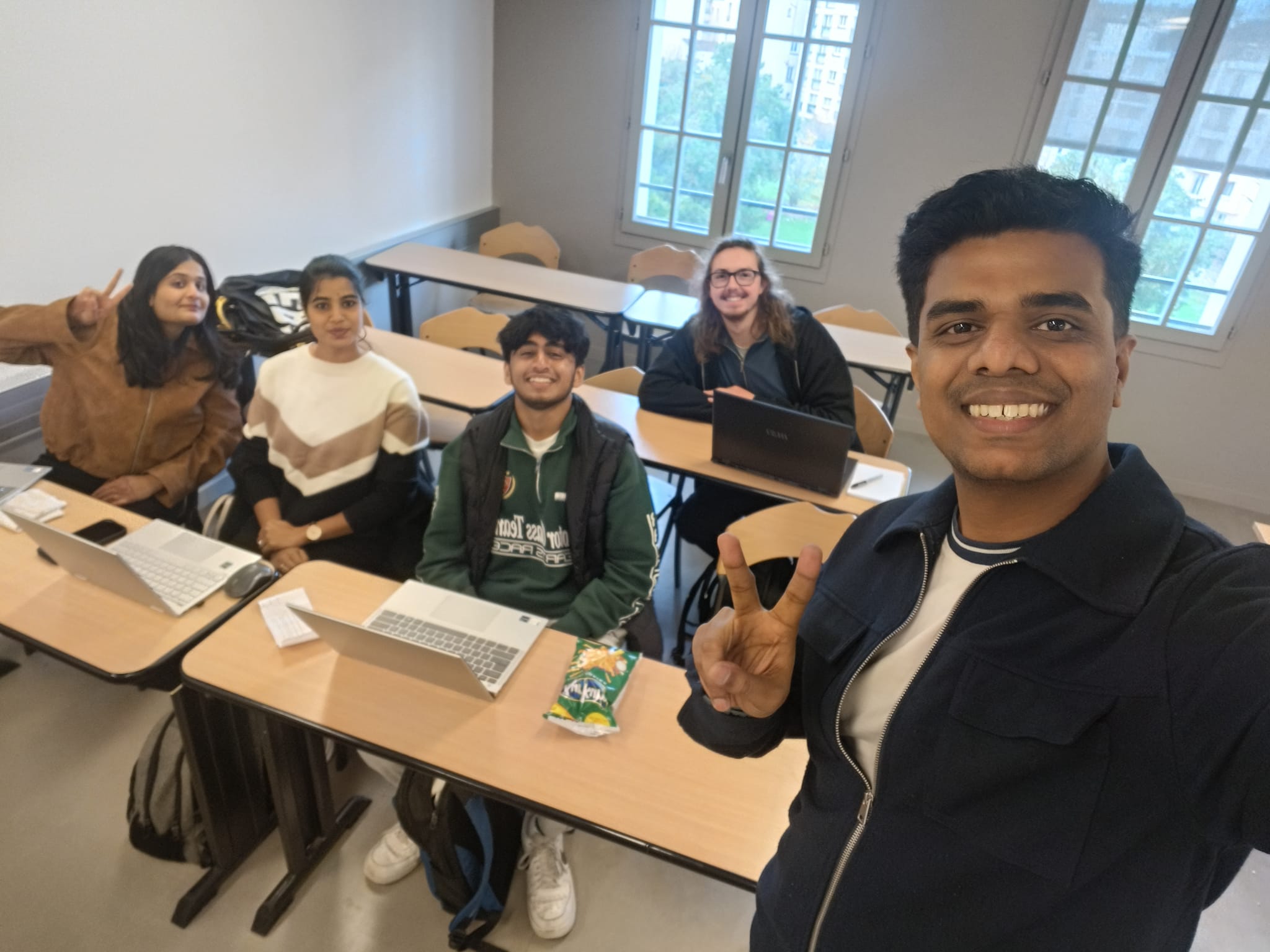
Here are some lovely pictures of our students and staff enjoying their study trip to Paris, where they engaged in academic and social activities at ISEP & CESI Elite Higher education institutions in France. 📚💡🧠🎓🌟
They attended classes at Institute Superieur Electronique de Paris (ISEP) and also at CESI at Nanterre. Students were given a good welcome at both of the universities and it gave them an insight into how Computing is taught in other countries. They also met French students and had a chance to work with them on a student project.
While also enjoying some of the spectacular local heritage sites and social life . There was time for sightseeing at the Eiffel Tower, Arc de Triomphe, Sacre Coeur, Notre Dame, the Louvre and others. There was also time to sample some French food 🥖🥨🥐🗼⚜️
Thanks to TAITH.wales (International learning exchange programme) for funding and supporting the trip. Diolch yn fawr iawn 👏😊
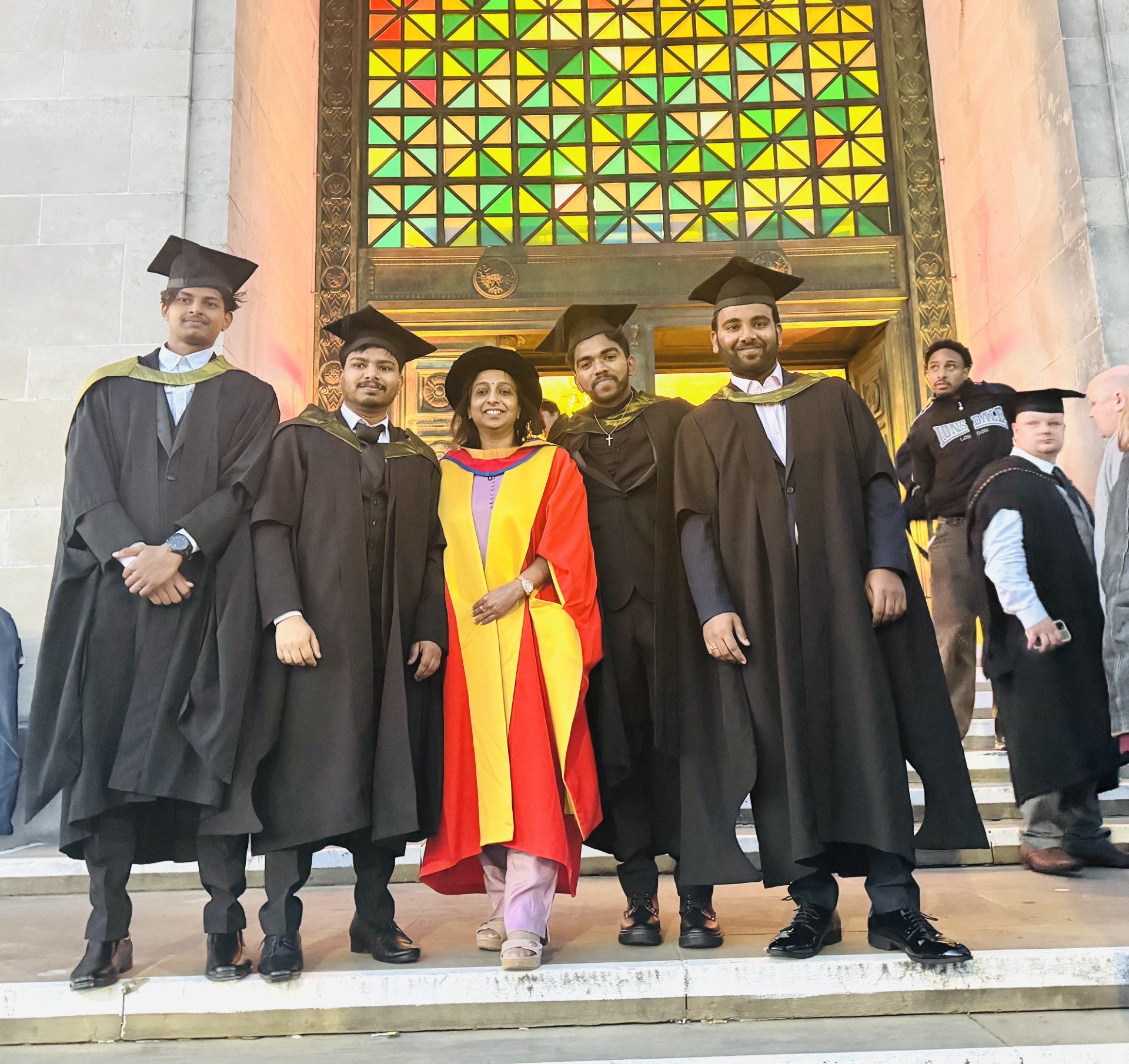
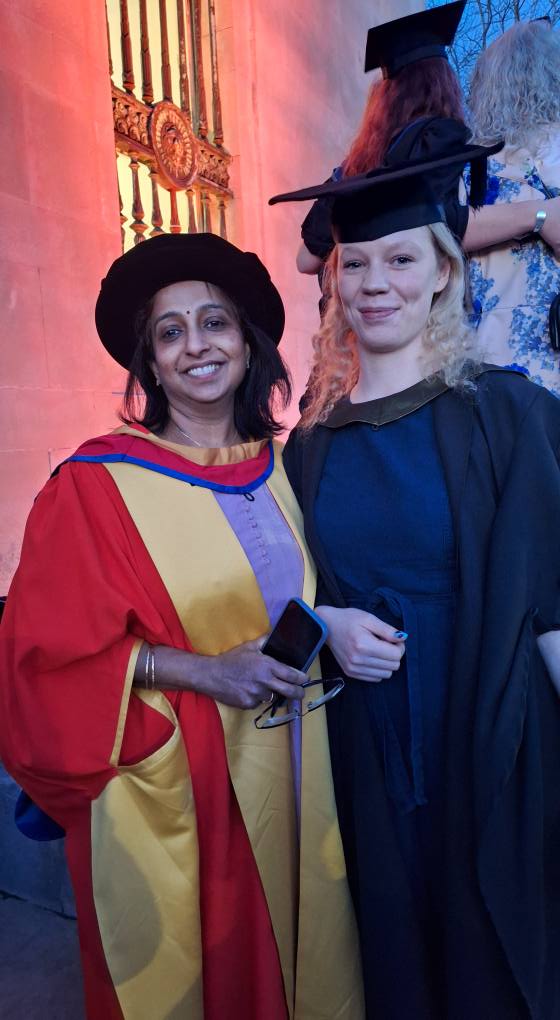
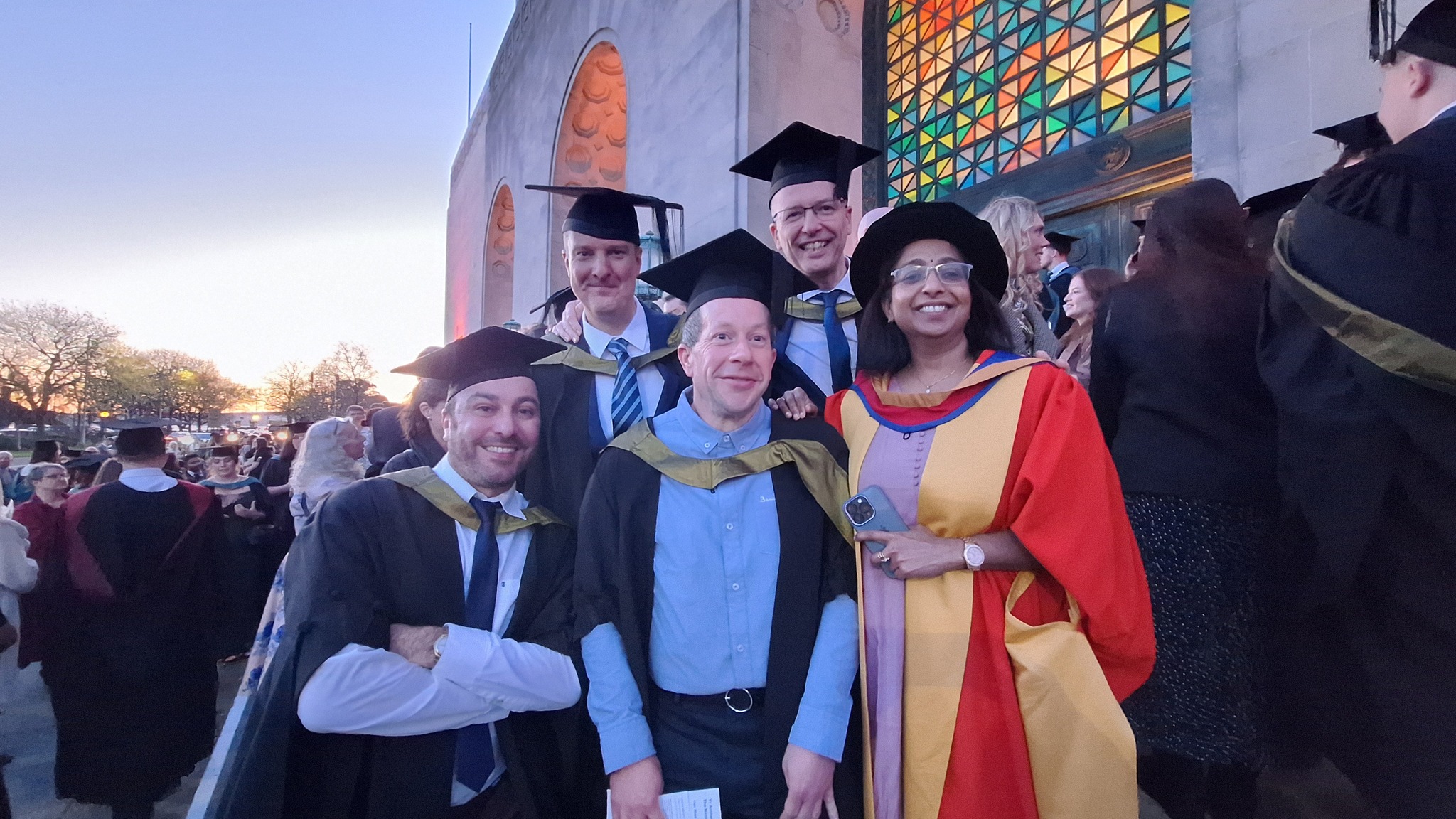
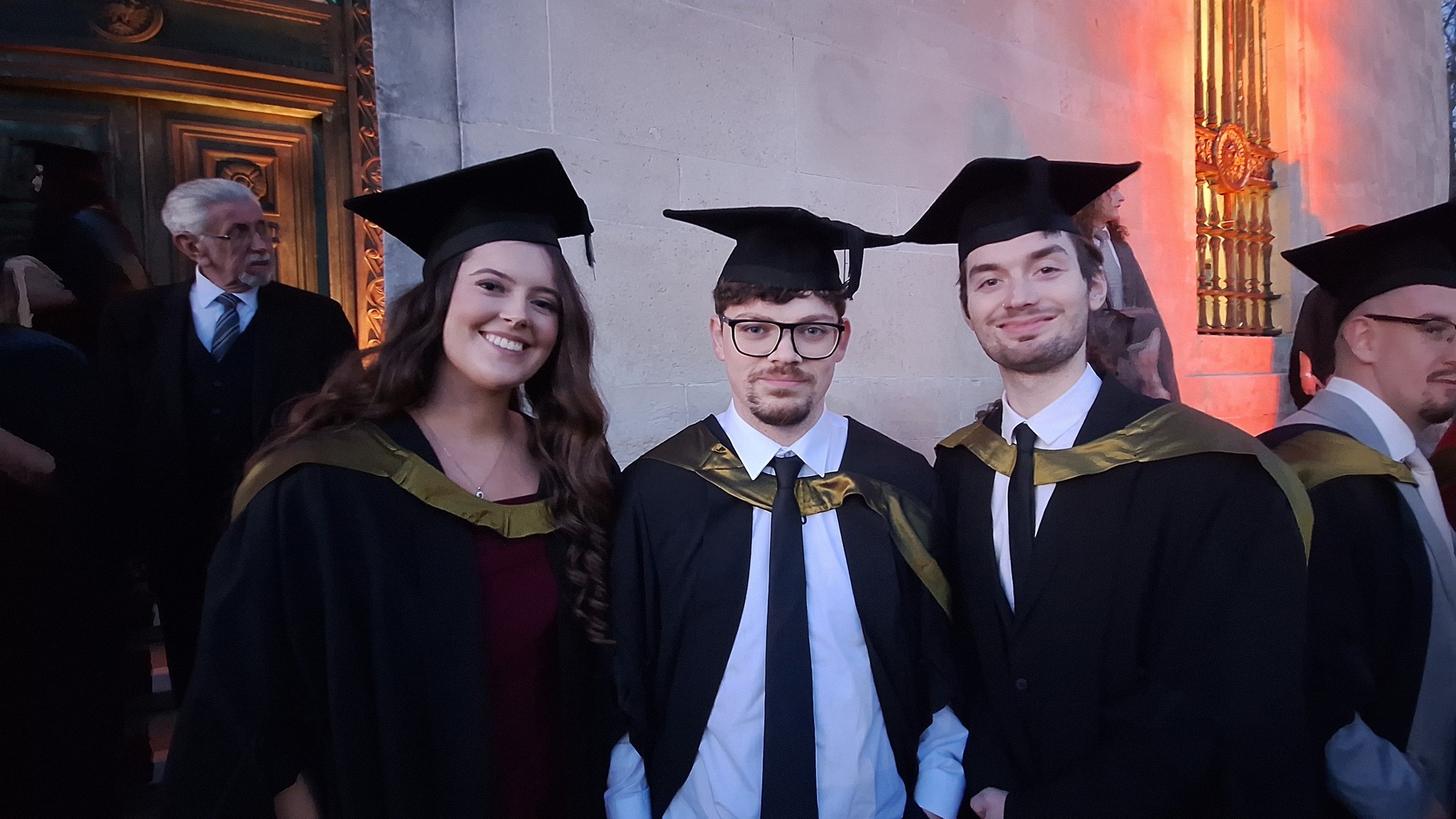
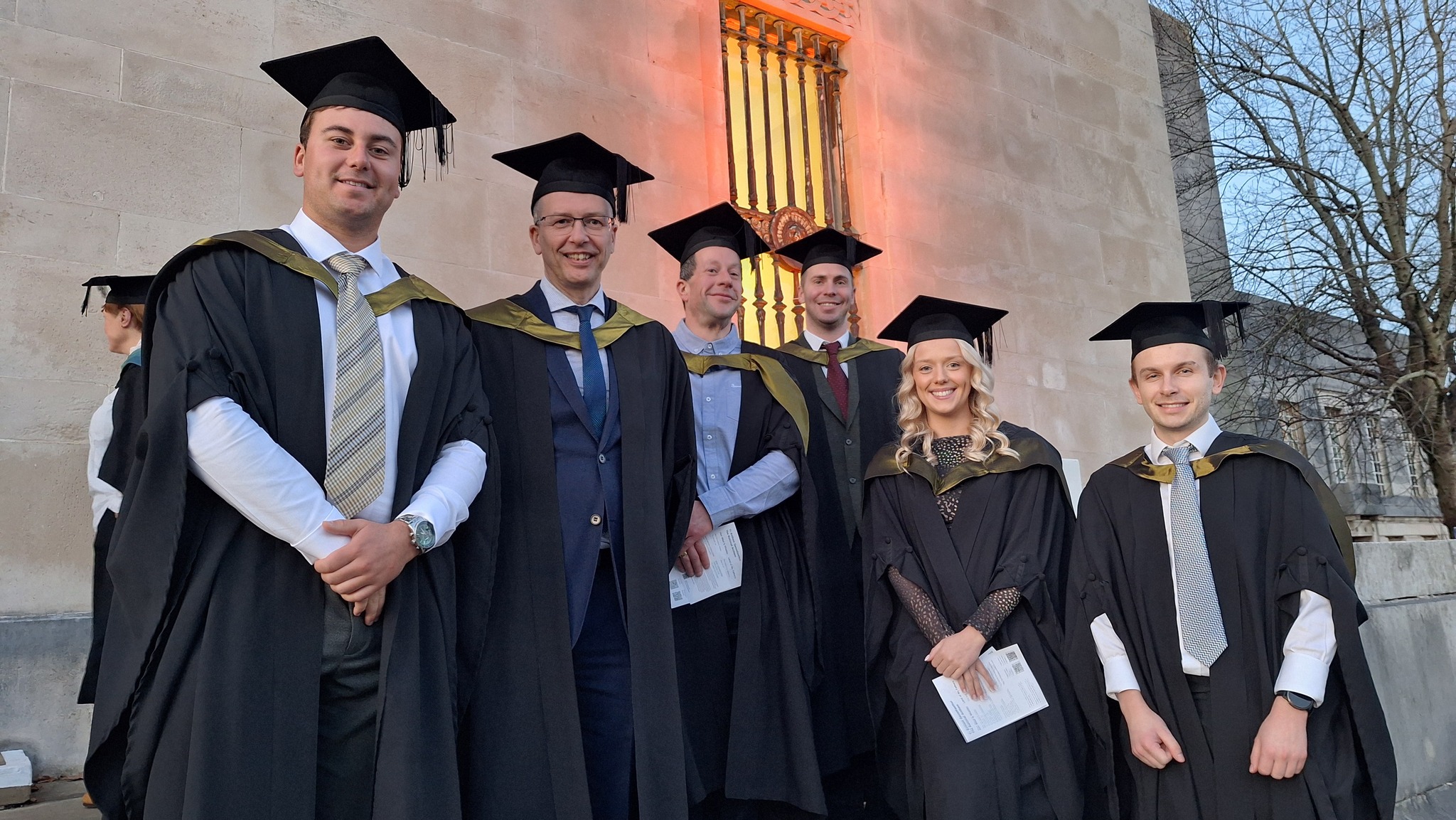
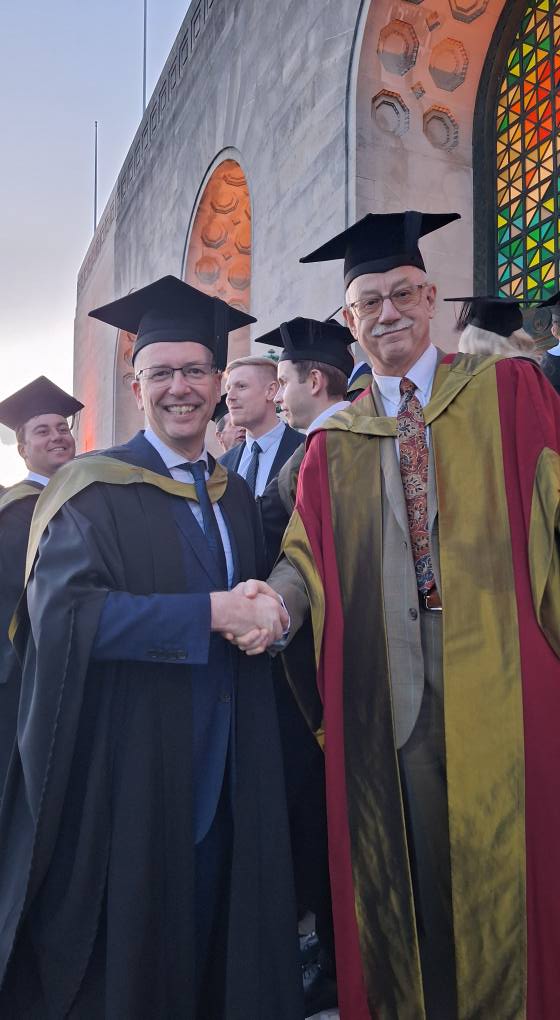
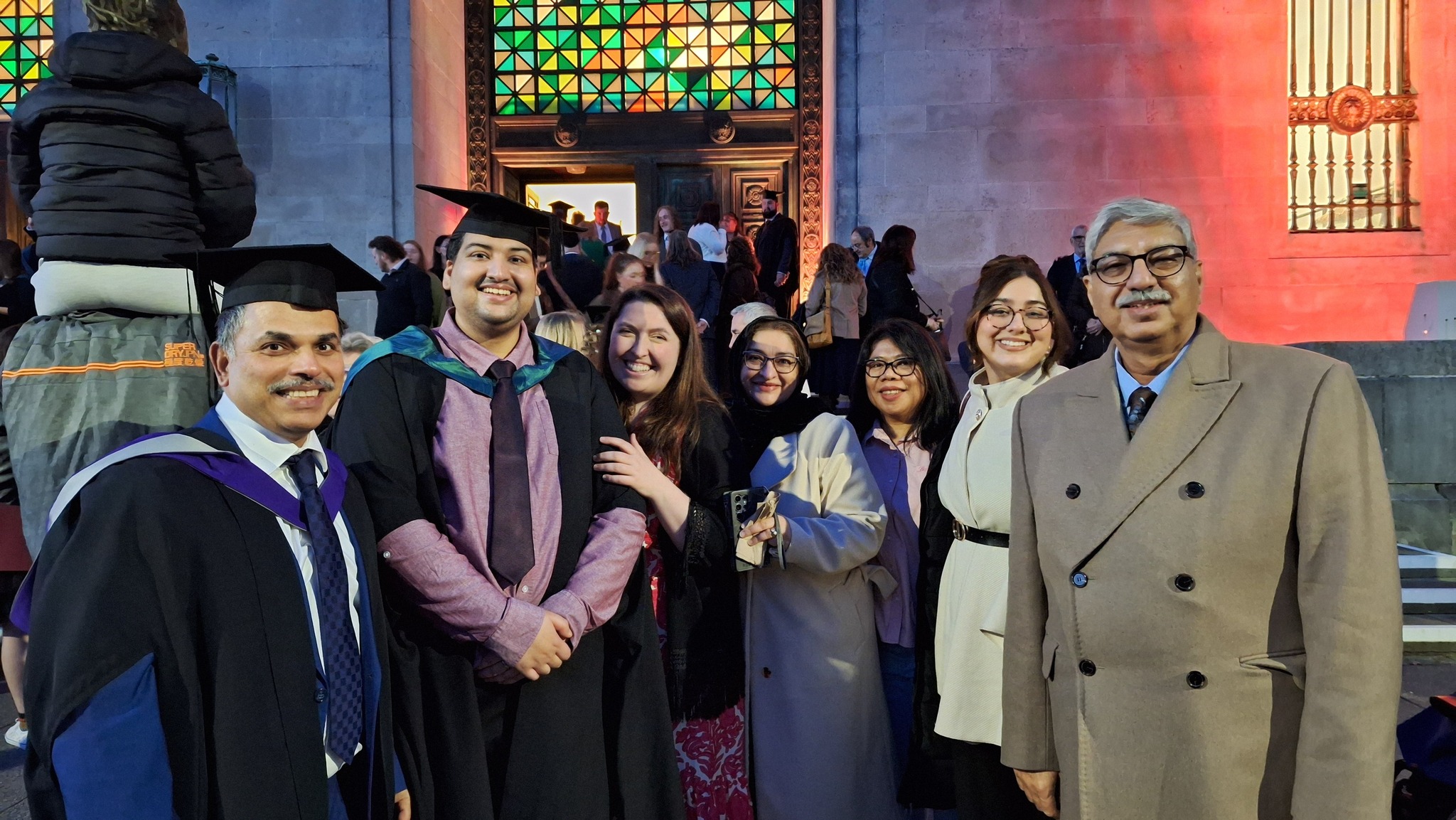
Congratulations to all our Graduating students. A proud moment to celebrate your hard work and achievements. Well done. Wishing you all the best in your next chapter. 🎓🎉🎊🌟
E-Sports Game Day at UWTSD IQ Building – A Resounding Success
The recent E-Sports Game Day held at the UWTSD IQ Building was a resounding success, drawing enthusiastic participation from students across multiple programmes. The event celebrated the rapidly growing culture of competitive gaming and underscored the university’s commitment to fostering innovation, collaboration, and student engagement.
Throughout the day, students showcased exceptional teamwork, creativity, and sportsmanship as they competed in a series of e-sports tournaments. The atmosphere was vibrant and inclusive, offering students the chance to connect with peers, share their passion for gaming, and explore the professional dimensions of the e-sports industry.
Staff members, including Richard William Morgan gramme Manager, and his team, played a pivotal role in the event’s success. Their dedication ranging from organising and managing equipment to encouraging student participation ensured that the event ran seamlessly and provided an enjoyable experience for all involved.
The E-Sports Game Day not only highlighted the remarkable talent and enthusiasm within the student community but also strengthened the sense of belonging at UWTSD. Events like this reflect the university’s ongoing dedication to supporting student-led initiatives that blend learning, entertainment, and collaboration, further enriching campus life.
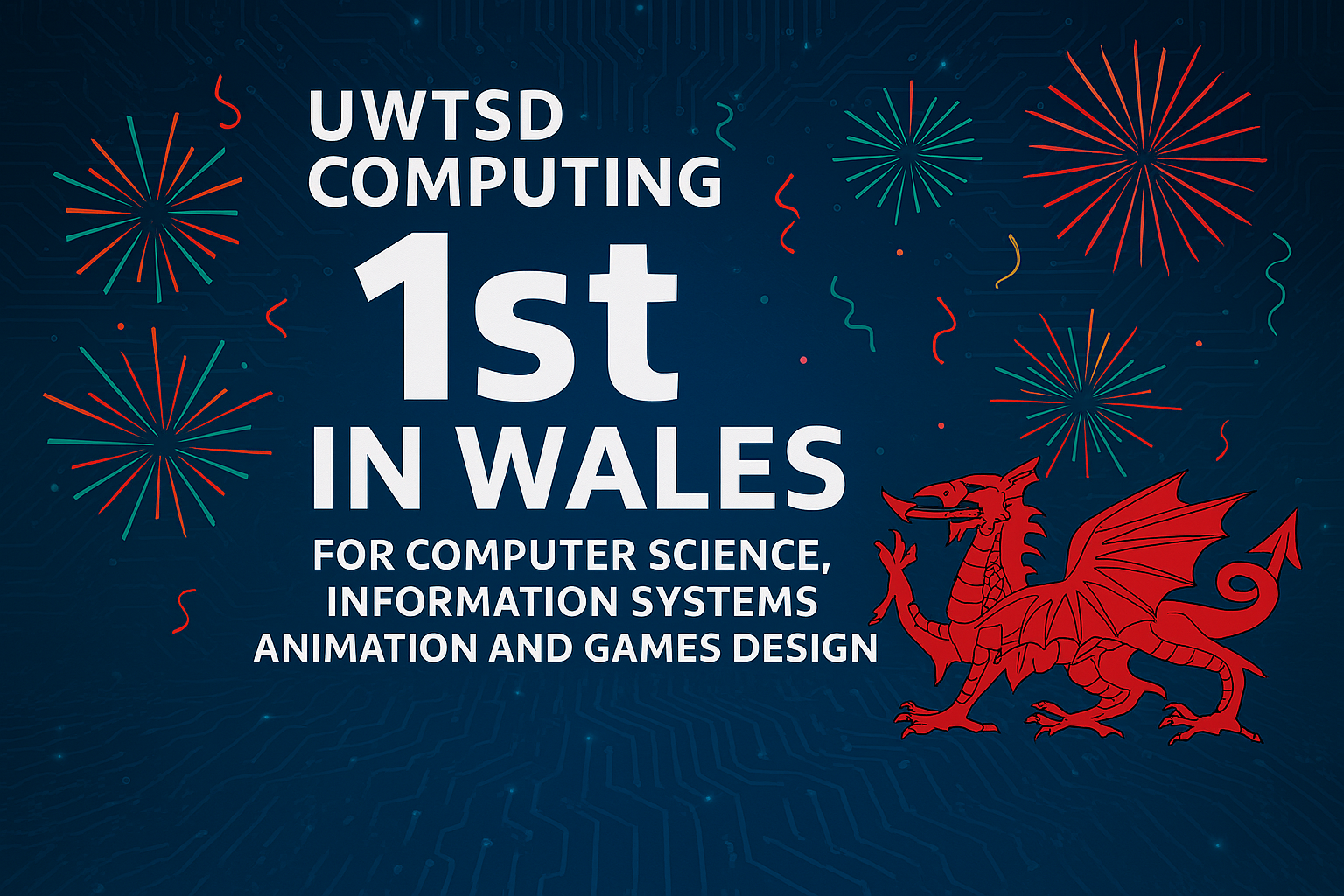
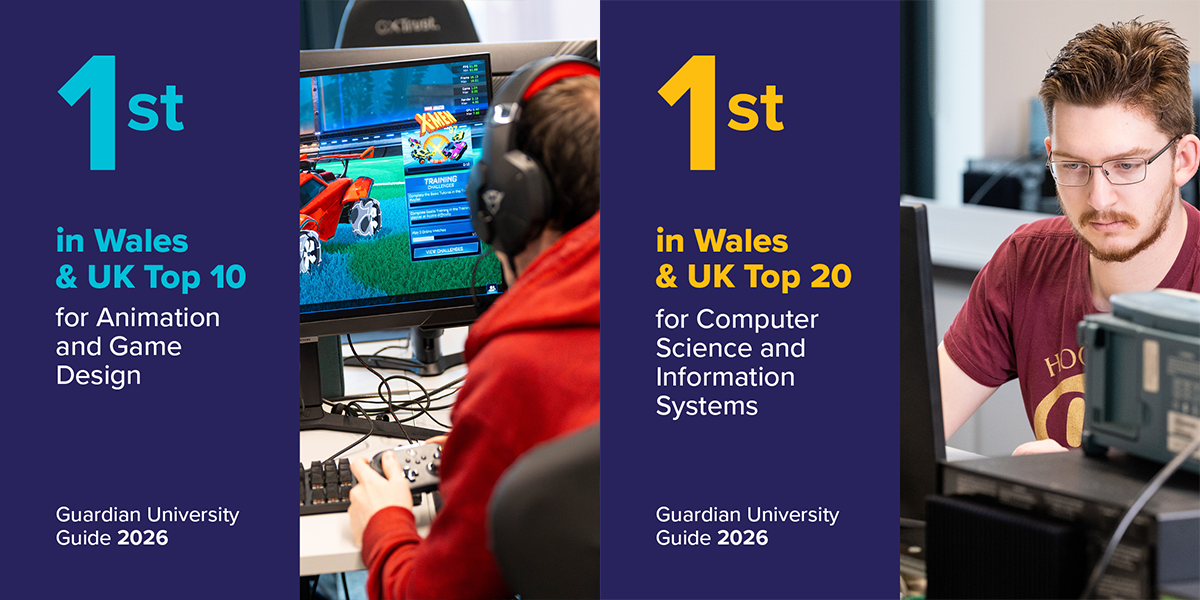
We’re thrilled to announce that in the Guardian University Guide 2026, our courses have ranked 1st in Wales & 9th in the UK for Animation & Games Design and 1st in Wales & 11th in the UK for Computer Science and Information Systems. 🎉🎊
This achievement reflects our dedication to delivering hands-on, real-world industry relevant learning experiences, with exceptional student support. Our highly qualified, industry-experienced staff work hard to ensure students are prepared for a successful future with the practical knowledge & employability skills they need to excel.
A huge thank you to our students, staff, and supportive community for making this recognition possible. 🙏👍
For information about our courses, please click-here.






 UWTSD Applied Computing Blog